
 EN
EN
 ar
ar bg
bg hr
hr cs
cs da
da nl
nl fi
fi fr
fr de
de el
el hi
hi it
it ko
ko no
no pl
pl pt
pt ro
ro ru
ru es
es sv
sv tl
tl iw
iw id
id lv
lv lt
lt sr
sr sk
sk sl
sl uk
uk vi
vi et
et hu
hu th
th tr
tr fa
fa ms
ms hy
hy ka
ka ur
ur bn
bn mn
mn ta
ta kk
kk uz
uz ku
ku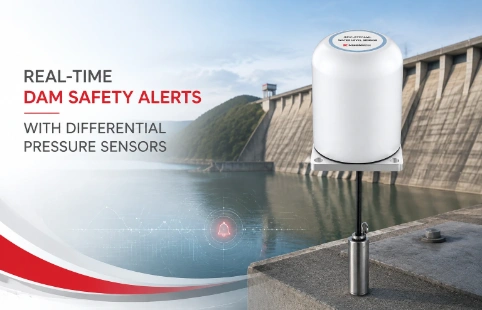
Real-Time Dam Safety Alerts with Differential Pressure Water Level Sensors
Key Takeaways An alert chain needs more than a sensor: define field in...

Wireless Data Logger Temperature and Humidity: Works Where Wired Can’t
Tunnels breathe. As excavation proceeds, the air inside shifts—temperature spikes from equipment, humidity climbs from groundwater seepage. These changes aren’t just numbers on a screen; they affect shotcrete curing, rock bolt corrosion, and worker safety. That’s where a wireless data logger temperature and humidity becomes more than a gadget. It’s a line of defense against conditions that quietly degrade a structure. Kingmach has been building geotechnical instruments for years, and we’ve seen how cable runs get destroyed in active construction zones. Going wireless isn’t a luxury—it’s often the only practical way to get consistent data from monitoring points scattered across a site. Our loggers talk over LoRa or Wi-Fi, pushing readings back to a central dashboard before the next blast round. No trenching, no conduit, no torn cables. Just data that helps engineers decide when to ventilate, when to hold back. This page explains what our loggers can do and what to look for when integrating them into a monitoring plan.
Technical Detail
Most data loggers we see in tender documents still rely on wired probes. That’s fine for a lab, but in the field—construction pits, tunnel linings, tailings dams—wires create failure points. A wireless data logger temperature and humidity from Kingmach removes that bottleneck. The logger body typically uses a thermistor-based sensor for temperature and a capacitive polymer sensor for humidity, with accuracy in the ±0.3°C and ±2% RH range depending on configuration. These aren’t lab-grade specs, but they’re stable enough for long-term structural health monitoring when temperature drift and moisture ingress are real threats. Transmission options include 433/868 MHz radio, Wi-Fi, or LoRaWAN, so you can pick what fits your site’s radio environment. A logger buried behind a shotcrete layer can still push data through several meters of rock if you pair it with the right antenna and repeater setup. Power typically comes from an internal lithium pack rated for 2–3 years at hourly logging intervals, and the housing is sealed to IP67 as standard. Kingmach supports custom sensor combinations too—add a barometric pressure sensor if you need to correct humidity readings at altitude, or switch to a Pt100 probe for extreme range. Data ends up on a web portal or gets forwarded to platforms like ThingsBoard and Ubidots via MQTT. Since we’re in the geotechnical business, we’ve also made sure the logger can handle the vibration and dust you’d expect on a construction site. Brackets are included, and the mounting pattern works with standard DIN rails or magnetic backs. If your project needs ATEX certification for coal mines or SIL-rated reliability, those are possible as custom orders—just talk to our engineering team.
News
Key Takeaways An alert chain needs more than a sensor: define field in...
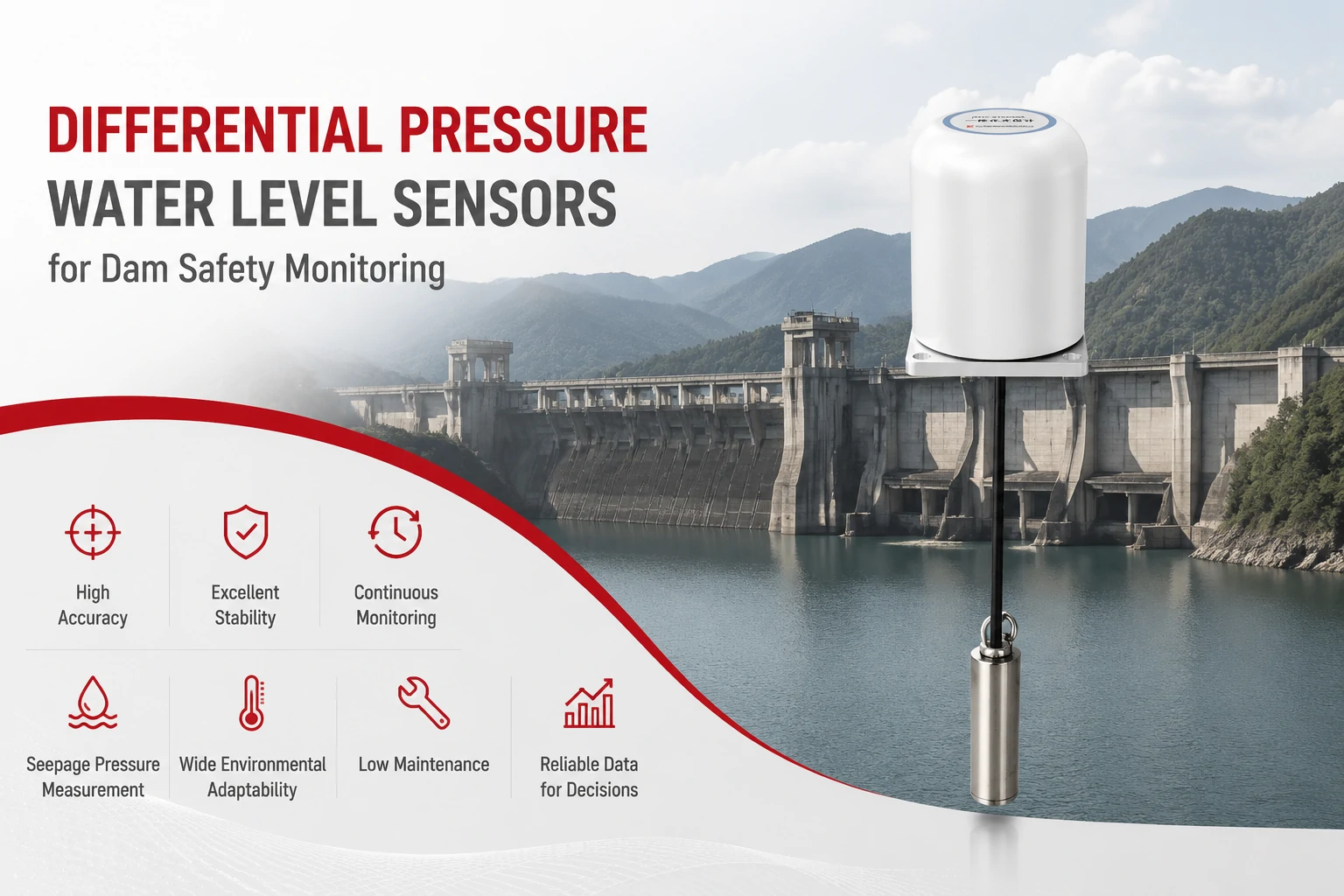
Key Takeaways The strongest fit is usually a confined, submerged, or s...
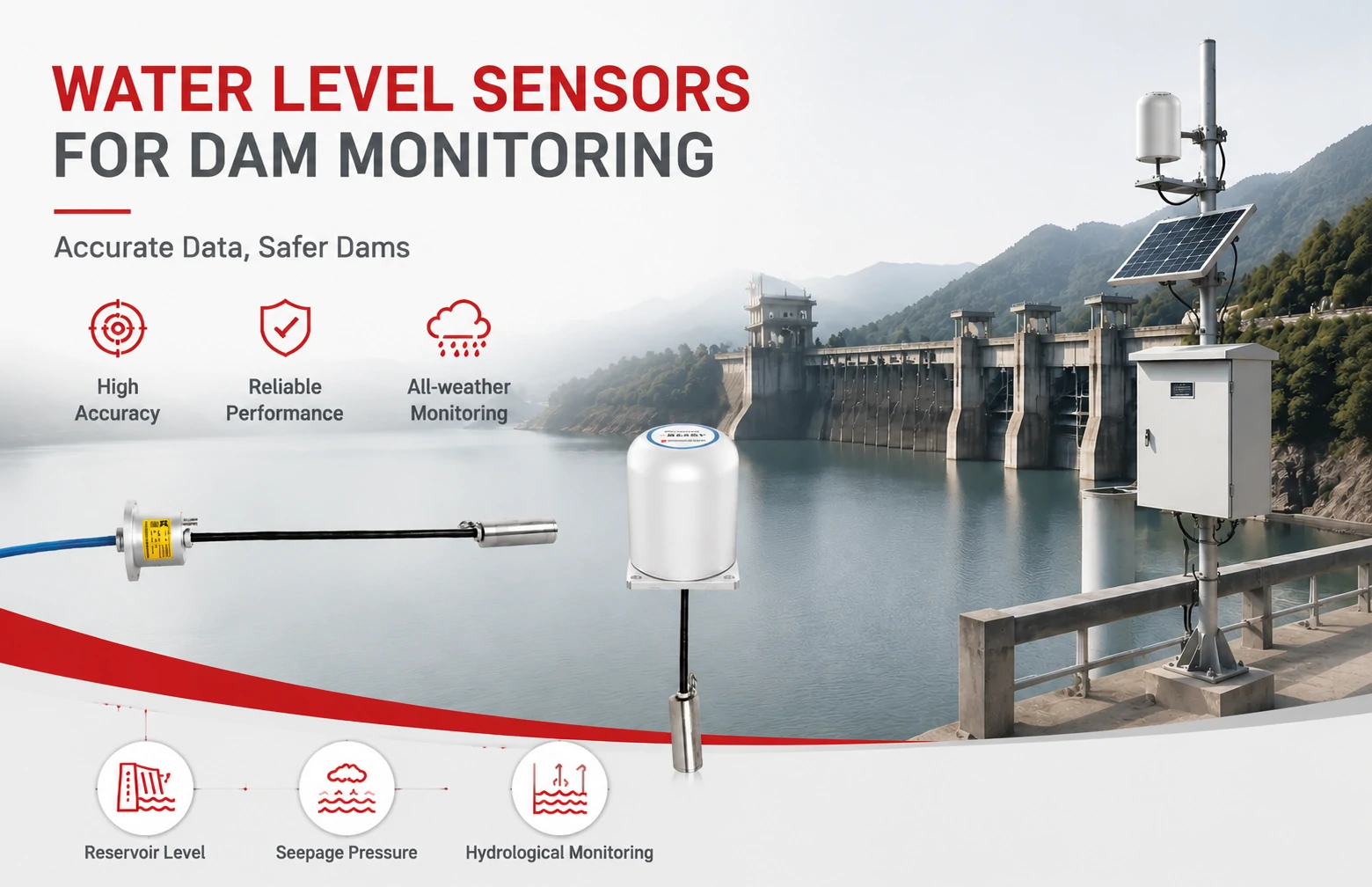
Kingmach Water Level Sensors for Dam Monitoring: A Buyer's Guide to Differential Pre...
Products
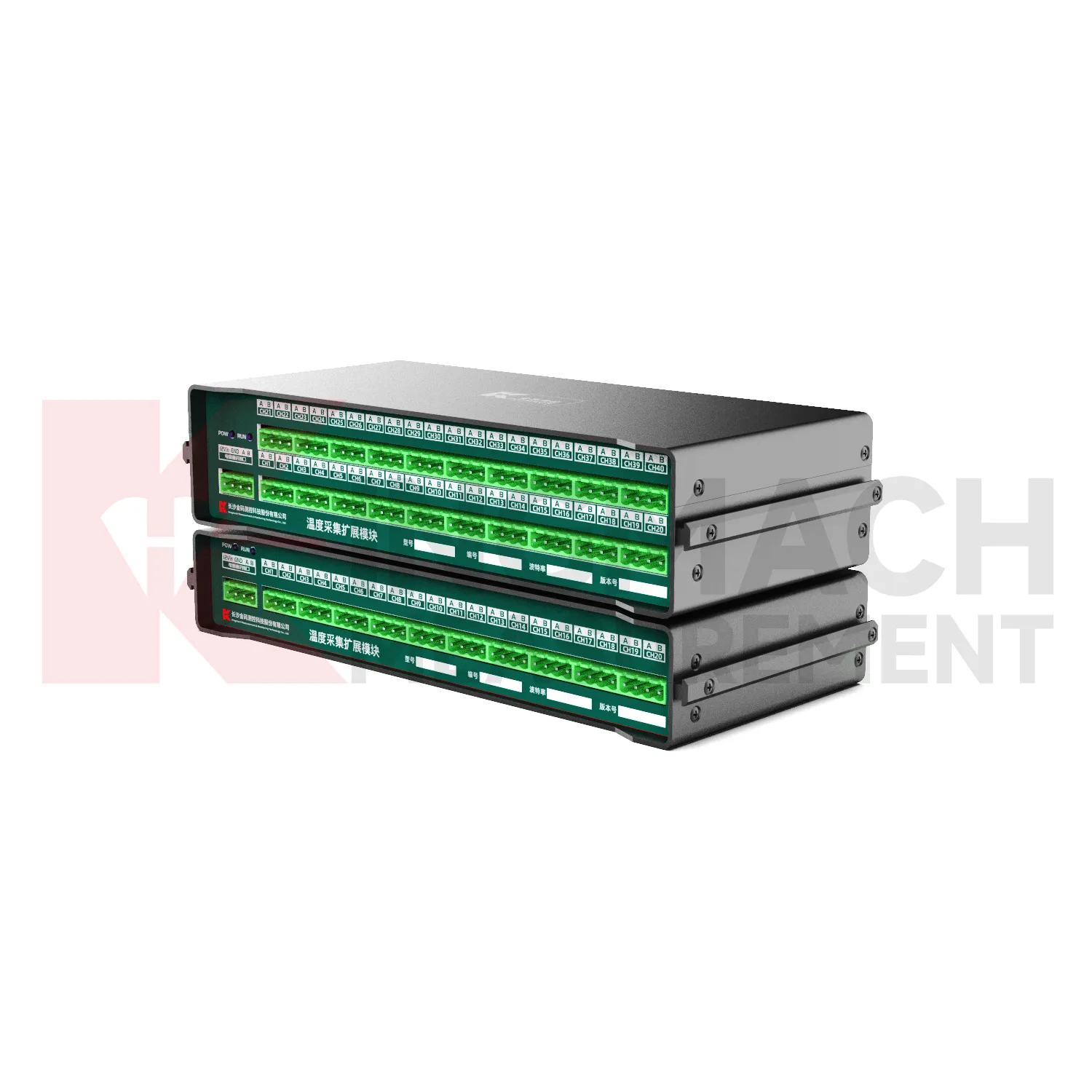
Temperature Acquisition Expansion Module JMWT-XXRTH
View Details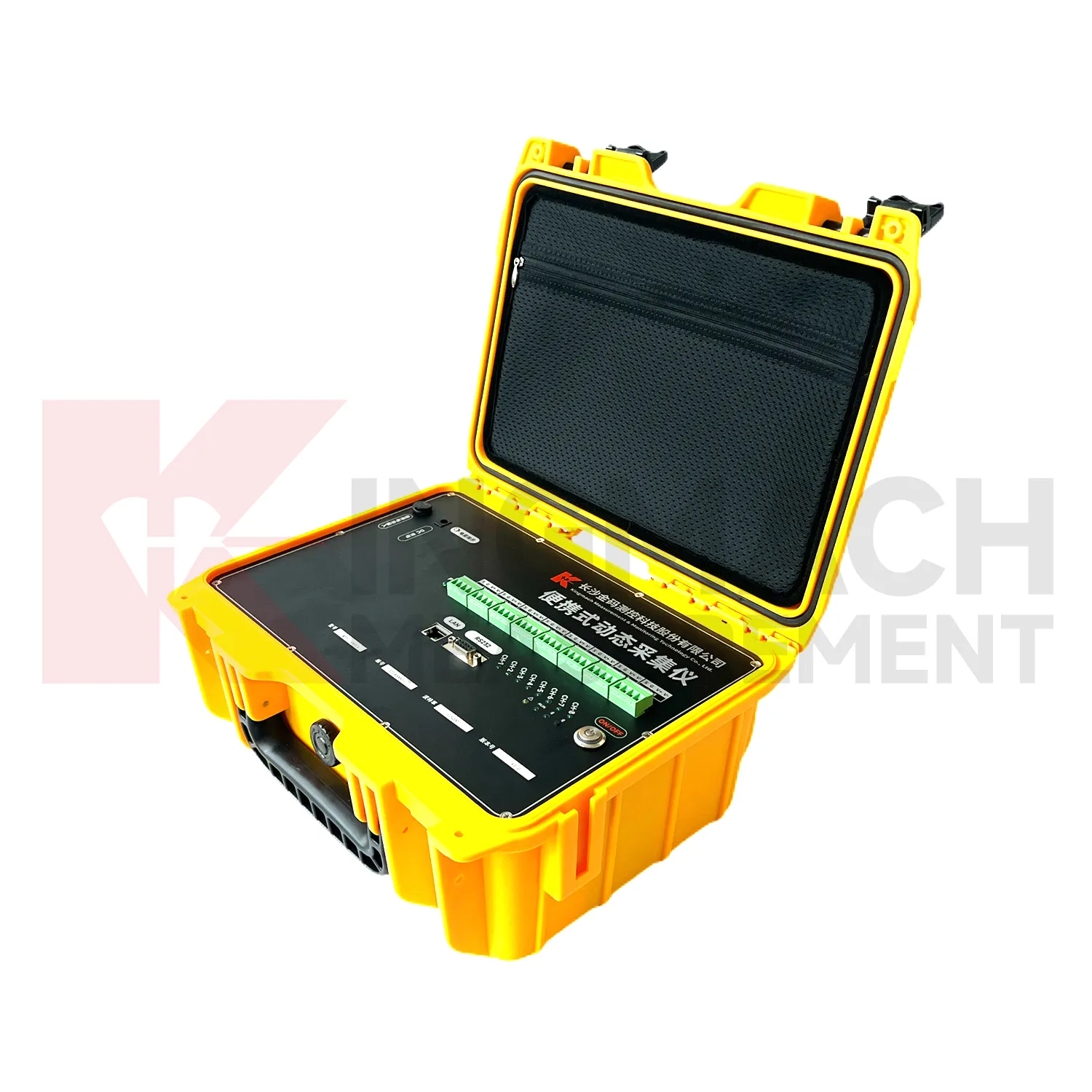
Portable Dynamic Signal Acquisition Readout JMYS-1008BX
View Details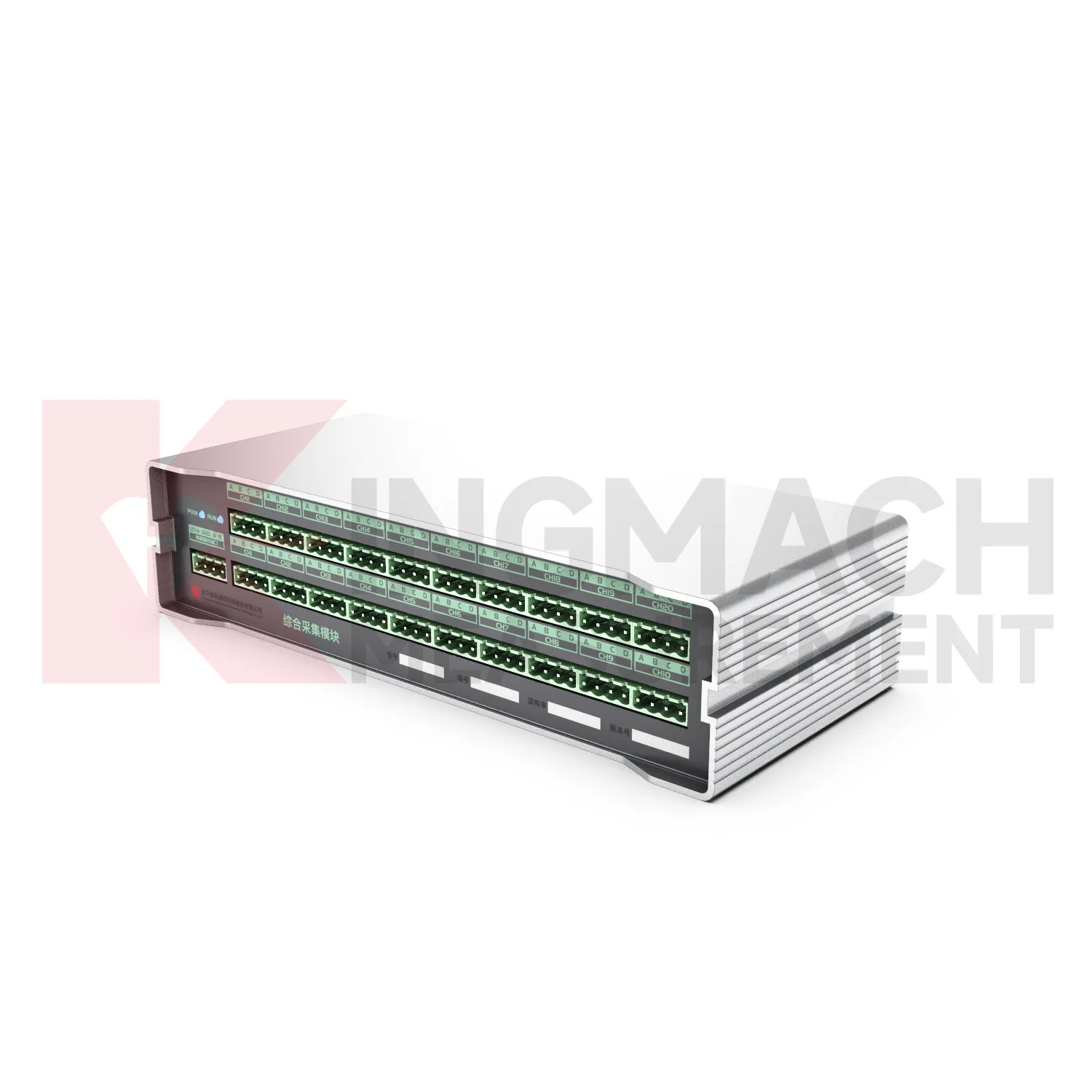
FAQ
It depends heavily on the tunnel lining and bends. With a 433 MHz LoRa module and a line-of-sight path, you can get a kilometer or more. Inside a curved tunnel with steel ribs and shotcrete, the range drops—maybe 100–200 meters before you need a repeater. We usually conduct a site survey first to recommend a placement plan, or we supply mesh-capable nodes that relay data to a gateway outside.
Condensation is a common issue in high-humidity environments like tunnels and basements. Our standard humidity sensors have a recovery time spec—usually they return to normal readings within a couple of hours after drying out. For sites with constant saturation, we can swap in a heated sensor element or use a sintered metal filter cap that slows moisture ingress.
The logger sends a low-battery alarm well before it shuts off—typically at 10% remaining, which gives you weeks of headroom. If access is difficult, like inside a completed lining, some clients install a backup battery pack or use a logger with a solar panel port. For critical applications, we also offer loggers with swappable battery cartridges so you can hot-swap without unsealing the unit.
Most of our loggers output readings via Modbus TCP, HTTP POST in JSON format, or MQTT. If your software supports any of these, integration is straightforward. We also maintain a simple cloud portal where you can view trends and download CSV files. For older SCADA setups, we can provide an RS-485 output option with a local gateway.
The standard model operates down to -40°C, but the battery capacity drops significantly in extreme cold—expect half the normal lifespan at -20°C. For freezer monitoring, we recommend an external probe that puts the sensor inside the cold zone while the logger sits outside, plus a lithium-thionyl chloride battery that handles low temperatures better.
Share your product type, target capacity, and application requirements. Our team can review the details and recommend a practical next step.
If you are interested in our products or want to become our partner.
Please leave your contact information, our team will contact you as soon as possible.
Mail: [email protected]
Contact Us: +8613808434127
Address: No. 188 Tongzipo West Rd, Changsha, Hunan, China