
 EN
EN
 ar
ar bg
bg hr
hr cs
cs da
da nl
nl fi
fi fr
fr de
de el
el hi
hi it
it ko
ko no
no pl
pl pt
pt ro
ro ru
ru es
es sv
sv tl
tl iw
iw id
id lv
lv lt
lt sr
sr sk
sk sl
sl uk
uk vi
vi et
et hu
hu th
th tr
tr fa
fa ms
ms hy
hy ka
ka ur
ur bn
bn mn
mn ta
ta kk
kk uz
uz ku
ku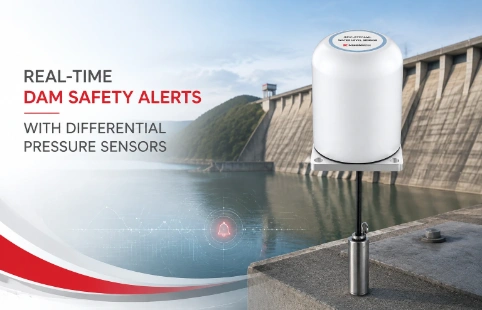
Real-Time Dam Safety Alerts with Differential Pressure Water Level Sensors
Key Takeaways An alert chain needs more than a sensor: define field in...

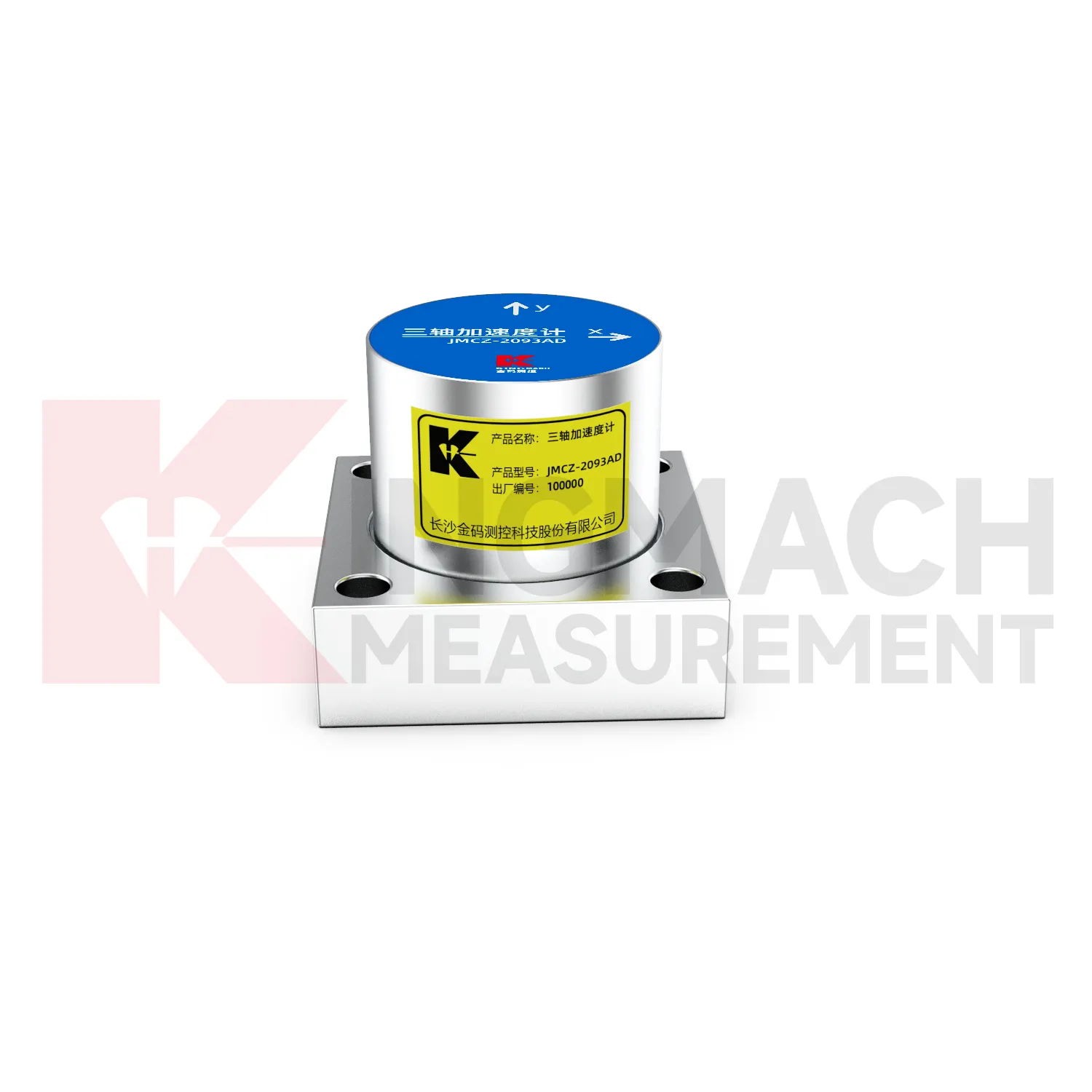
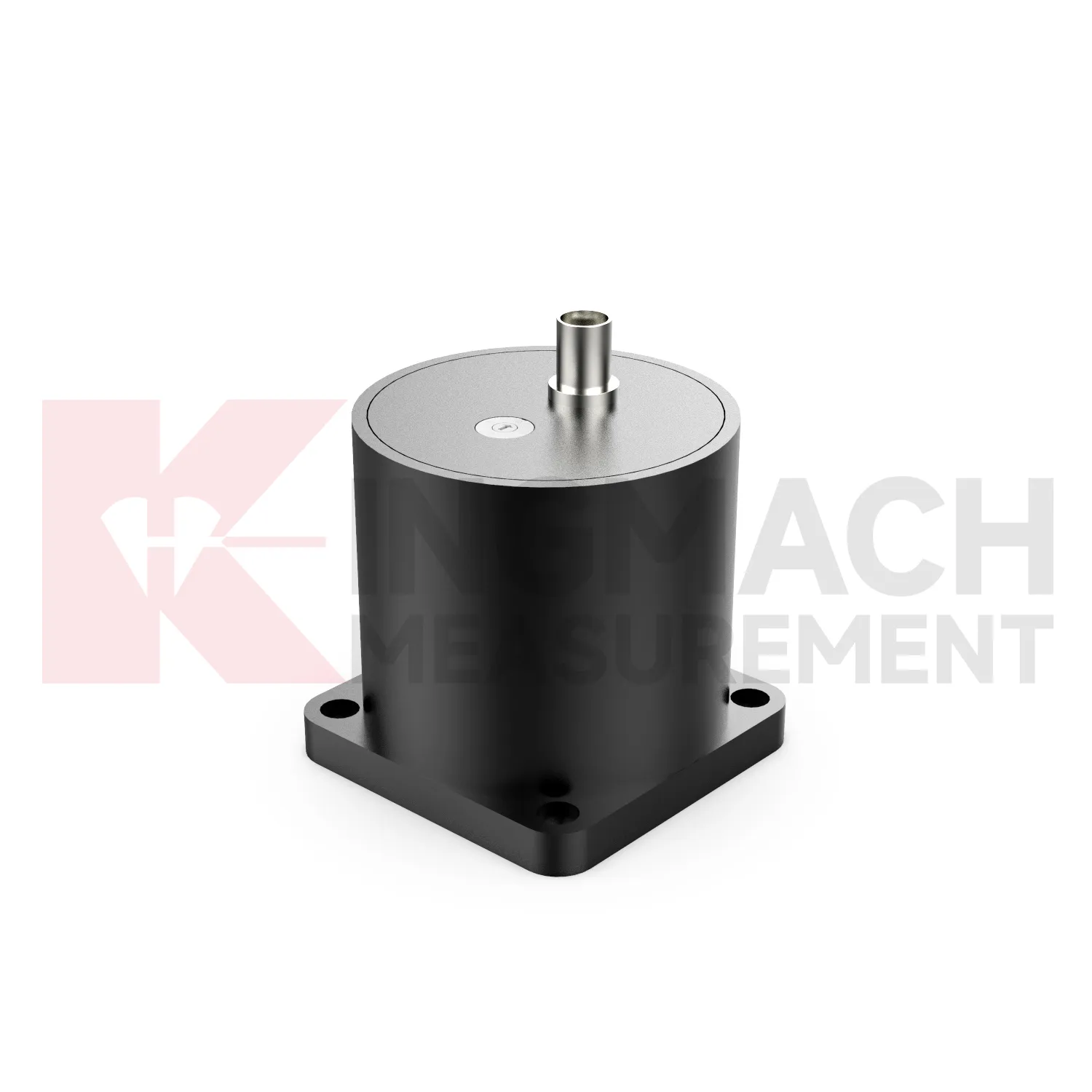
Triaxial Accelerometer Sensor for Vibration Monitoring
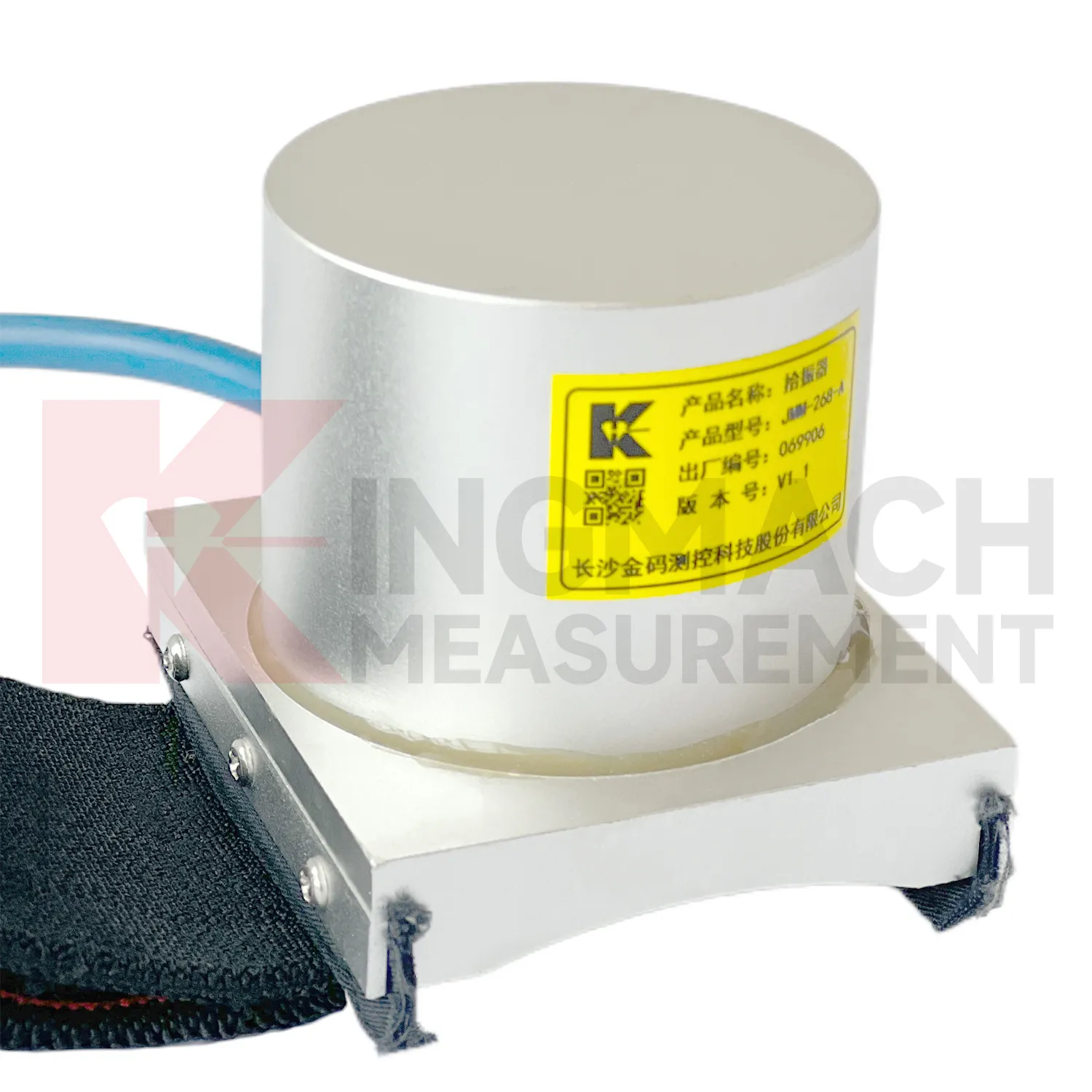
Most geotechnical monitoring setups track vibration in more than one direction. A triaxial accelerometer sensor picks up X, Y, and Z axes at once, which saves time and gives a more complete data set when you’re watching how a structure responds to dynamic loads. Kingmach has been putting these sensors into monitoring networks for years—mainly for dams, tunnels, bridges, and slope stability projects. The designs are built to handle field conditions: sealed housings, wide temperature ranges, and connectors that match common data loggers. We see a lot of engineers asking for custom cable lengths or mounting brackets to fit their particular borehole or surface layout, so we keep those options open.
Technical Detail
Kingmach’s triaxial accelerometer sensors are used where understanding vibration in three axes matters—think structural health monitoring of bridges, seismic response of concrete dams, or rockfall detection along highways. Each sensor integrates three orthogonal sensing elements in a compact housing, typically with MEMS or force-balance technology depending on the required bandwidth and resolution. The frequency response usually reaches down to DC or near-DC, making them suitable for both low-frequency tilt events and higher-frequency transient vibrations. From a configuration standpoint, you can choose standard output signals like voltage or current loop, or digital output via RS-485 for longer cable runs. Most models from Kingmach operate on a 5-24 V DC supply and survive temperatures from −20 °C to 70 °C, though extended ranges are possible on request. The housings are either stainless steel or anodized aluminum, sealed to IP67 or IP68 for long-term immersion or burial. Field support is part of the package. We work with local distributors to help you get the sensors talking to your existing datalogger—be it a Campbell Scientific, a custom edge computer, or a cellular node. Customization often covers cable pigtails, mounting bases, and sensitivity ranges, because no two project sites are exactly alike. If you’re building a distributed array for tunnel convergence or a temporary setup for construction vibration monitoring, we can usually ship within standard lead times without a huge NRE charge.
News
Key Takeaways An alert chain needs more than a sensor: define field in...
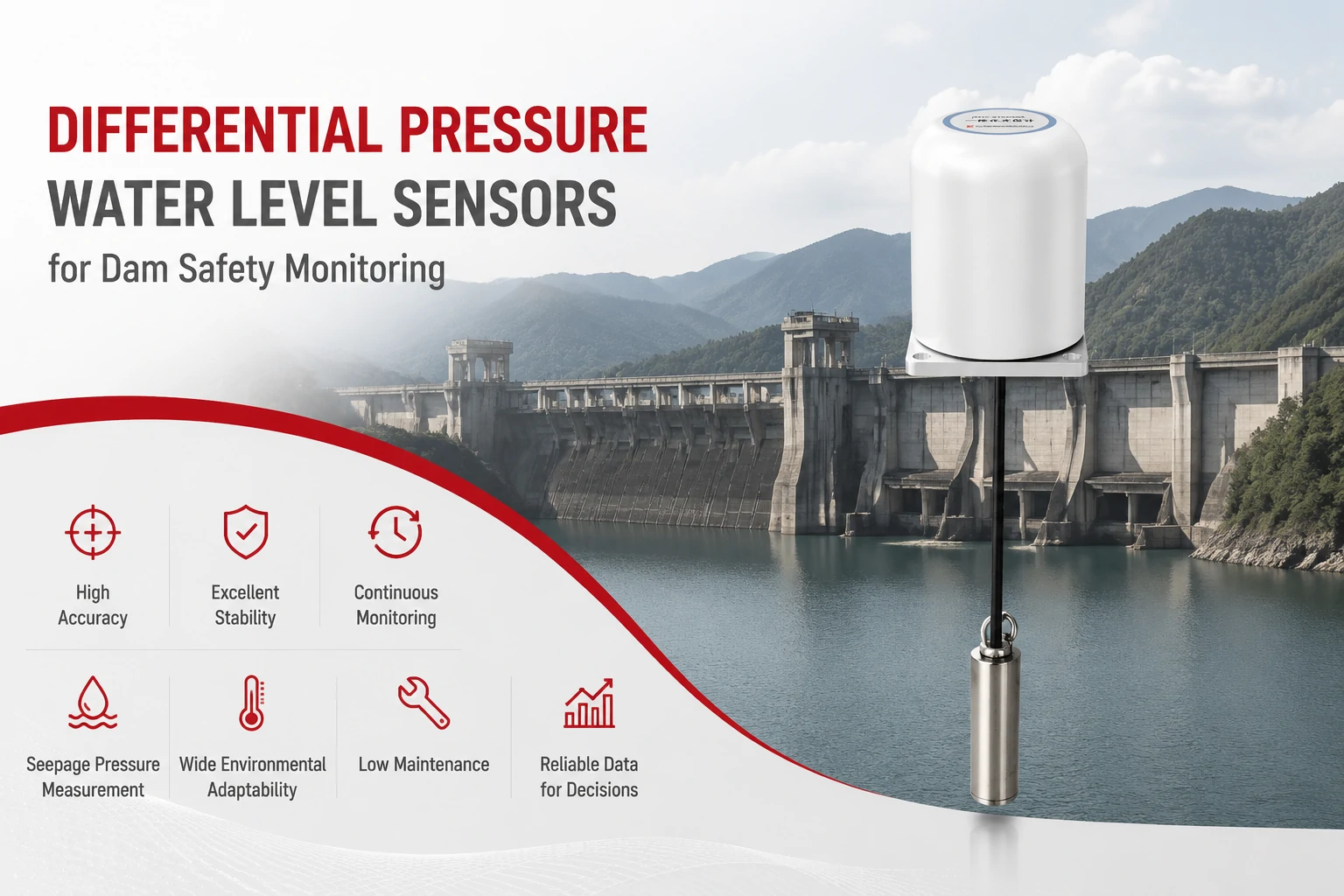
Key Takeaways The strongest fit is usually a confined, submerged, or s...
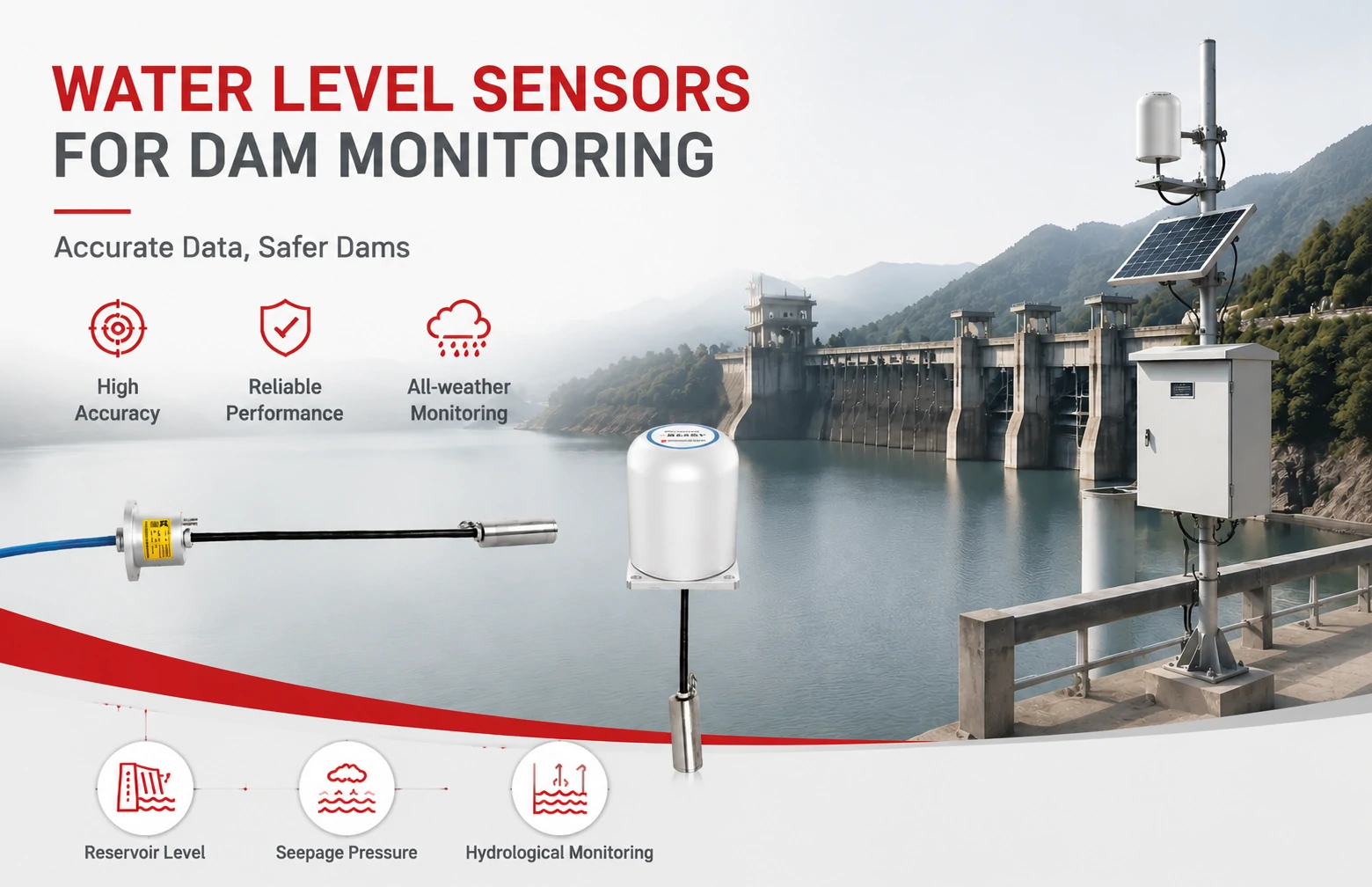
Kingmach Water Level Sensors for Dam Monitoring: A Buyer's Guide to Differential Pre...
Products
FAQ
Most units go from DC to a few hundred Hz, which covers the geotechnical and structural vibration spectrum well. If you need higher bandwidth—say for machinery condition monitoring—we can discuss options that reach into the kHz range.
Yes, the standard housing is IP67 or IP68 rated, so it handles submersion in boreholes or direct burial in soil. Just make sure the cable entry is properly sealed, and we can provide pre-molded cable assemblies for that purpose.
It depends on the output version. Voltage output sensors usually connect to a differential analog channel on your logger. RS-485 versions talk Modbus RTU, so you can run long distances with a single twisted pair. We have wiring diagrams for Campbell Scientific, RST, and other common loggers.
A triaxial unit guarantees orthogonal alignment out of the box and saves a lot of installation time. It also reduces the number of cables and mounting hardware, which matters in crowded borehole setups.
Yes, we can tweak the full-scale range—commonly ±2g or ±4g—and even adjust the output scaling to match your logger’s input range. Just let us know the expected peak vibration levels during the design phase.
Share your product type, target capacity, and application requirements. Our team can review the details and recommend a practical next step.
If you are interested in our products or want to become our partner.
Please leave your contact information, our team will contact you as soon as possible.
Mail: [email protected]
Contact Us: +8613808434127
Address: No. 188 Tongzipo West Rd, Changsha, Hunan, China