
 EN
EN
 ar
ar bg
bg hr
hr cs
cs da
da nl
nl fi
fi fr
fr de
de el
el hi
hi it
it ko
ko no
no pl
pl pt
pt ro
ro ru
ru es
es sv
sv tl
tl iw
iw id
id lv
lv lt
lt sr
sr sk
sk sl
sl uk
uk vi
vi et
et hu
hu th
th tr
tr fa
fa ms
ms hy
hy ka
ka ur
ur bn
bn mn
mn ta
ta kk
kk uz
uz ku
ku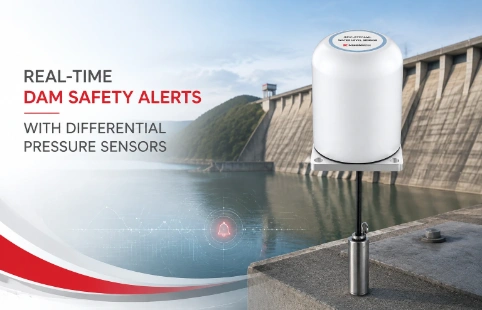
Real-Time Dam Safety Alerts with Differential Pressure Water Level Sensors
Key Takeaways An alert chain needs more than a sensor: define field in...

What Are Strain Gauge Rosettes and How Do They Work?
Measuring stress on a surface isn’t always straightforward. A single strain gauge captures strain in one direction, but real-world loads produce multiaxial stress states. Strain gauge rosettes address this by placing two or three gauges in a precise pattern on a single backing. The typical configurations—tee, rectangular, and delta—let you calculate principal stresses and their orientation without guessing the direction of maximum strain. Kingmach supplies rosettes as part of its geotechnical and structural monitoring portfolio. We work with engineers who need standard catalog options or special leadwire lengths, compensation elements, or gauge sizes for tough environments. Since every project has different installation constraints, we keep customization and responsive technical support central to how we operate.
Technical Detail
A strain gauge rosette is essentially two or three individual strain gauges arranged at fixed angles on a common carrier. The most common stacking arrangements are 0°/90° (tee), 0°/45°/90° (rectangular), and 0°/60°/120° (delta). Each gives enough data to resolve the complete in-plane strain state – two principal strains and the principal angle – from a single installation. Whether you’re doing residual stress measurements, load cell manufacturing, or long-term structural health monitoring, getting the rosette selection right saves rework later. We see engineers choose rectangular rosettes for general-purpose stress analysis because the 45° layout simplifies standard equations, while delta rosettes often appear in high-temperature or cramped spaces where the 120° separation suits the physical geometry better. At Kingmach, we supply strain gauge rosettes that fit these common patterns, but we also offer custom configurations when a project calls for non-standard angles, unusual backing materials, or special resistance values. Our manufacturing process supports small-batch adjustments, so you don’t get locked into a catalog item that’s almost right. Since we are organized as a mid-range professional brand, we focus on making quality gauges accessible without the premium price tag often attached to custom sensor work. Applications range from mining and civil engineering to industrial machinery and laboratory testing. Many projects involve harsh conditions—water, dust, vibration—so we advise on protective coatings and leadwire attachment methods during the ordering process. With a global distribution network, we can place stock in regional warehouses for faster delivery, and our applications group helps with installation guidelines and data interpretation. The goal is getting you from sensor selection to reliable strain readings without unnecessary trial loops.
News
Key Takeaways An alert chain needs more than a sensor: define field in...
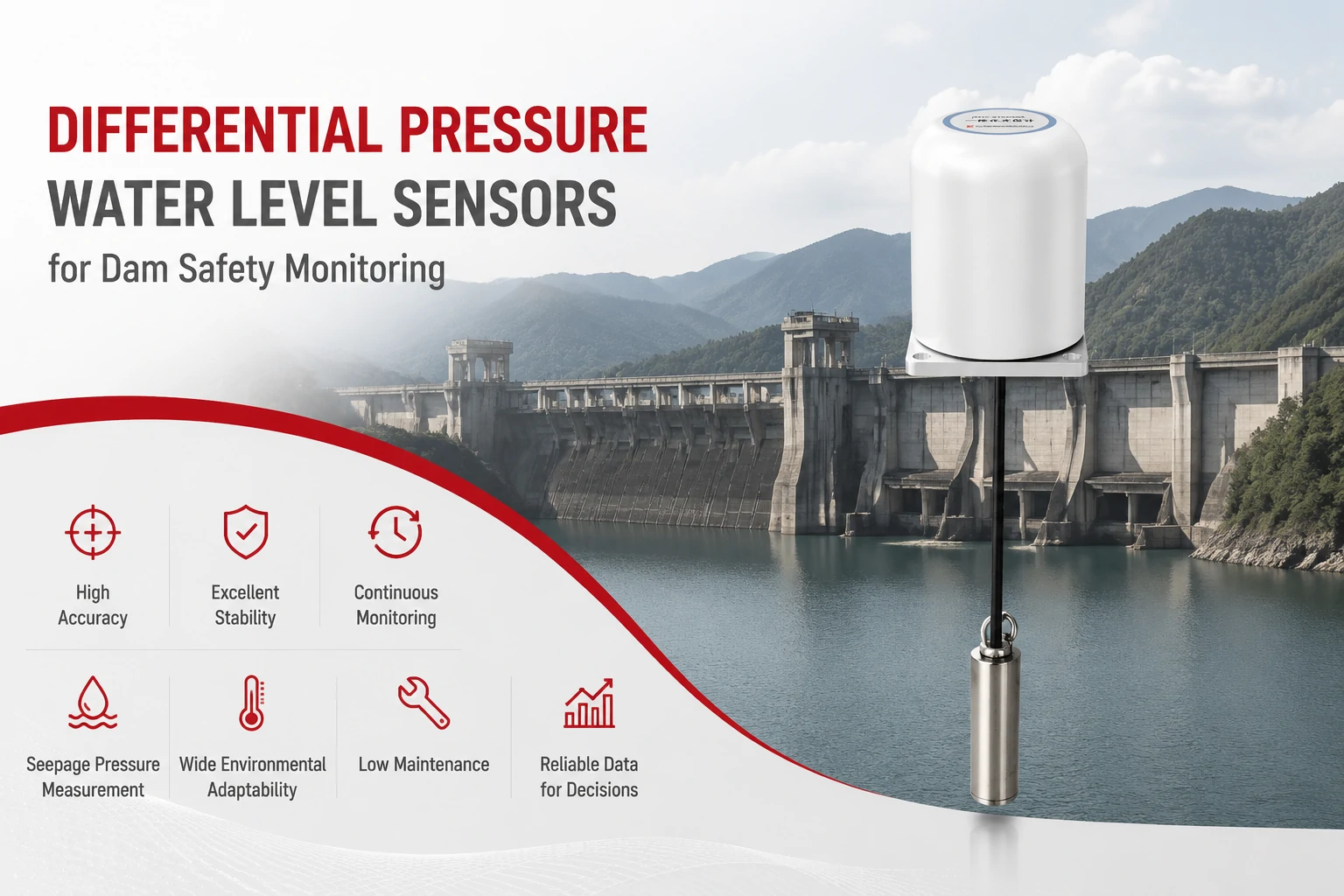
Key Takeaways The strongest fit is usually a confined, submerged, or s...
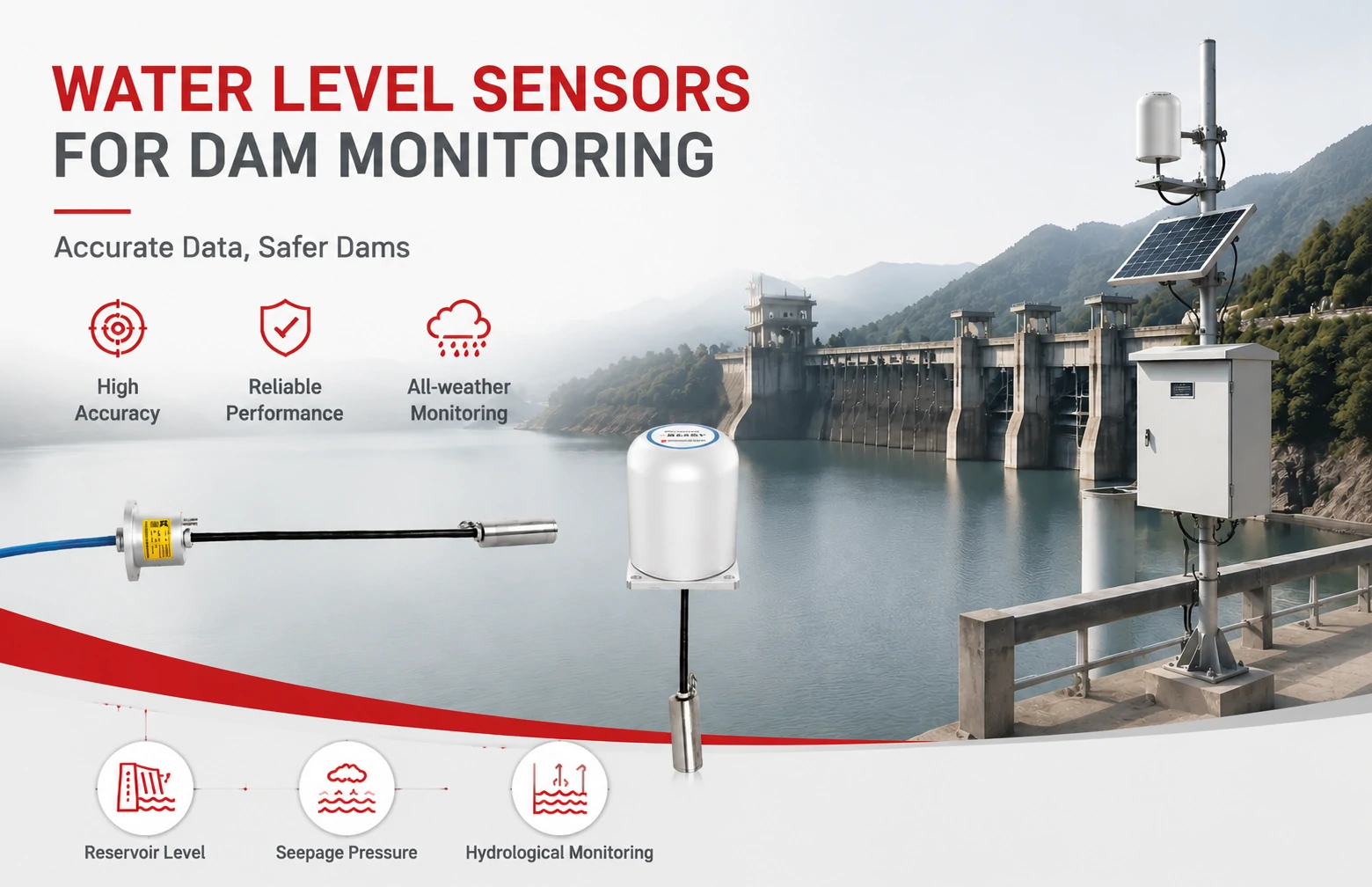
Kingmach Water Level Sensors for Dam Monitoring: A Buyer's Guide to Differential Pre...
Products
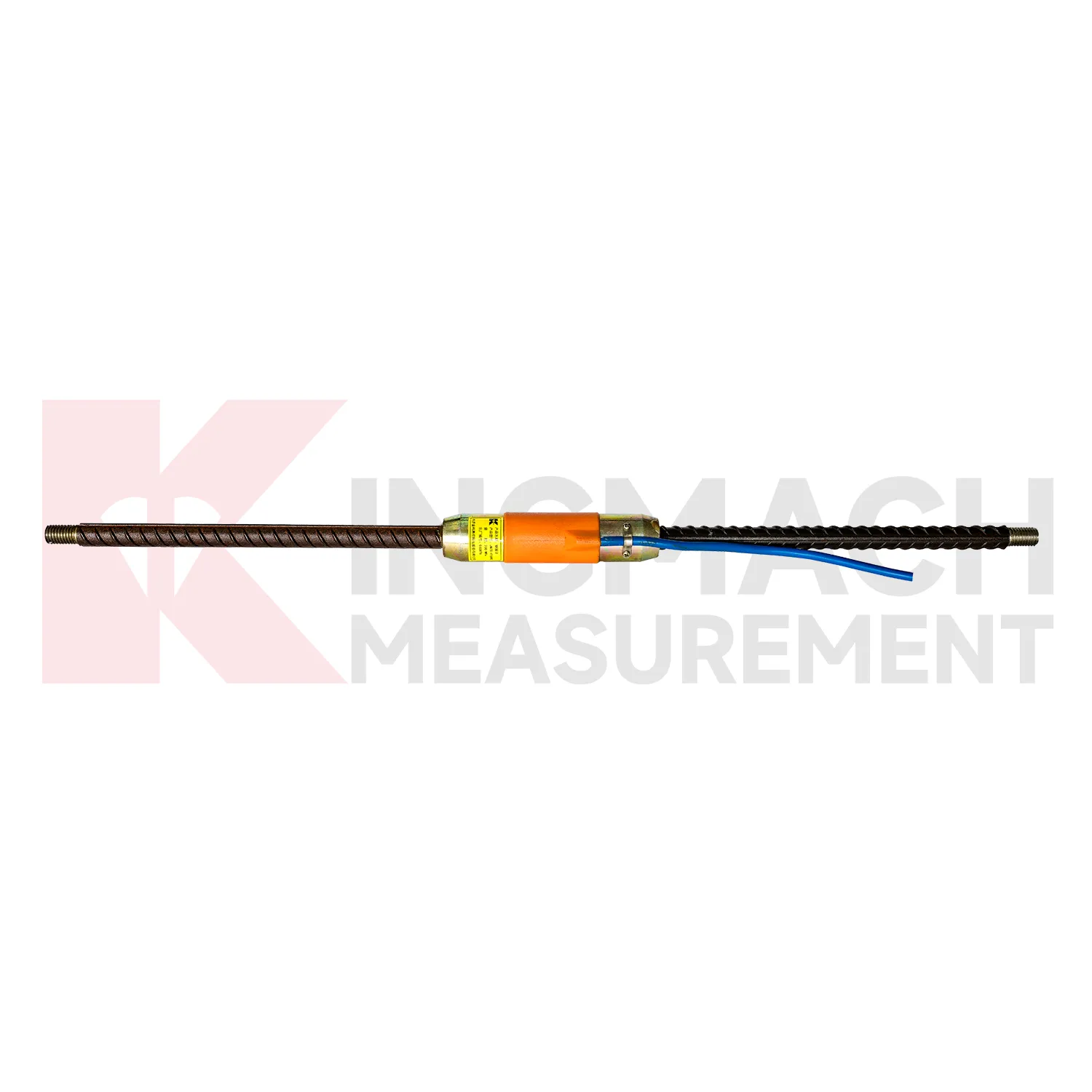
Rebar Strainmeters ( VW & Smart Type) JMZX-4XXHAT/HB
View Details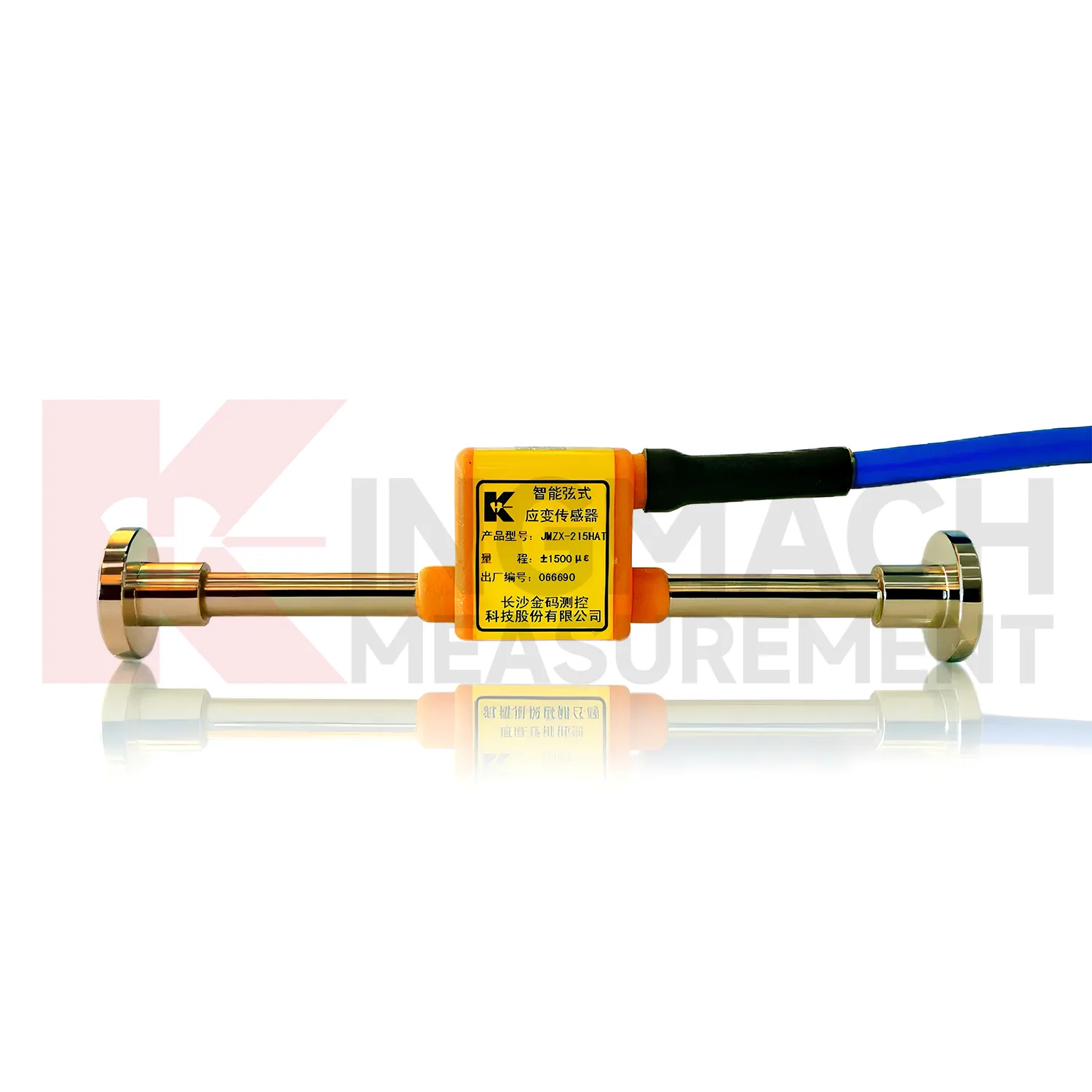
Smart vibrating wire strain gauge (embedment model) JMZX-215HA/215HAT/HB
View Details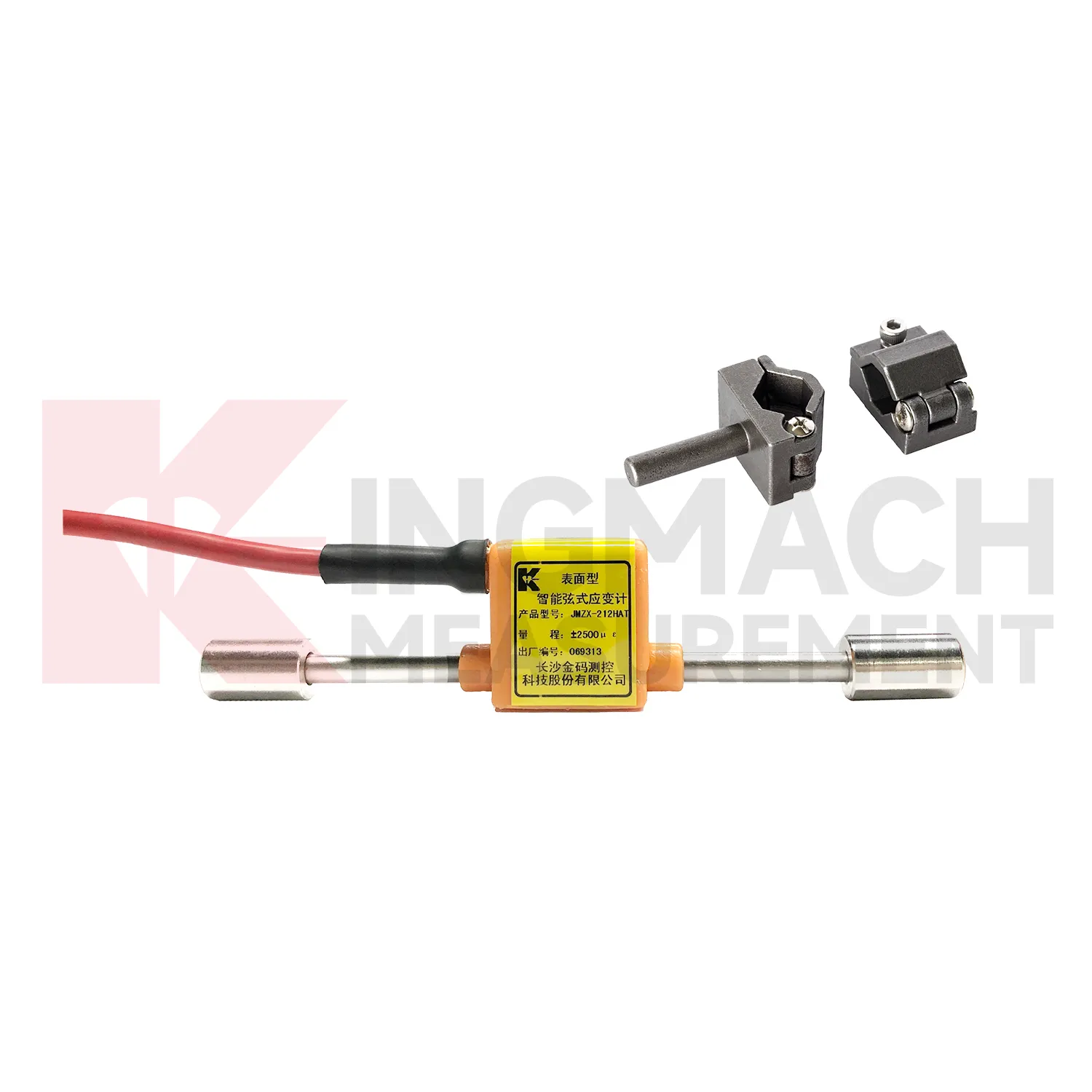
Smart vibrating wire strain gauge (surface model) JMZX-212HAT/HB
View DetailsFAQ
A single strain gauge measures strain along its grid direction only. If you don’t know the principal directions, you might completely miss the worst-case stress. A rosette clusters two or three gauges in known orientations, so you can calculate the magnitude and direction of the principal strains from those readings, even if you guessed the mounting angle wrong.
Rectangular rosettes (0°/45°/90°) are the most common choice for general stress analysis because the 45° step makes the calculations straightforward. Delta rosettes (0°/60°/120°) can be more practical when the installation area is small or when the 120° spacing better matches the expected principal strain directions. Some engineers also prefer delta patterns for high-temperature applications because of specific alloy characteristics.
Yes. We regularly handle requests for non-standard leadwire lengths, modified backing materials, special resistance values, or gauges tailored to specific temperature ranges. The process typically involves a short technical discussion, a drawing review, and a sample build before final production. Since we keep our manufacturing flexible, minimum order quantities for customization are usually modest.
Our standard rosettes work well in dry, clean environments and indoors. For moisture, chemical exposure, or high vibration, we offer optional coatings and encapsulation. We also have experience with installations in concrete, steel bridges, and mining environments. If you describe the conditions to our support team, we’ll recommend a protection scheme and installation method that has held up in similar projects.
Absolutely. We supply detailed installation notes with every order, and our applications engineers are available to talk through surface preparation, adhesive selection, and wiring. For complex jobs, we sometimes arrange a remote review of your setup or send a technician if the project scope warrants it. After-sales support is a standard part of what we deliver, not an add-on.
Share your product type, target capacity, and application requirements. Our team can review the details and recommend a practical next step.
If you are interested in our products or want to become our partner.
Please leave your contact information, our team will contact you as soon as possible.
Mail: [email protected]
Contact Us: +8613808434127
Address: No. 188 Tongzipo West Rd, Changsha, Hunan, China