
 EN
EN
 ar
ar bg
bg hr
hr cs
cs da
da nl
nl fi
fi fr
fr de
de el
el hi
hi it
it ko
ko no
no pl
pl pt
pt ro
ro ru
ru es
es sv
sv tl
tl iw
iw id
id lv
lv lt
lt sr
sr sk
sk sl
sl uk
uk vi
vi et
et hu
hu th
th tr
tr fa
fa ms
ms hy
hy ka
ka ur
ur bn
bn mn
mn ta
ta kk
kk uz
uz ku
ku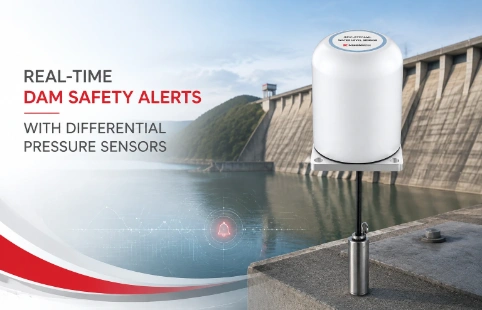
Real-Time Dam Safety Alerts with Differential Pressure Water Level Sensors
Key Takeaways An alert chain needs more than a sensor: define field in...

Practical Strain Gauge Application in Field Monitoring
Knowing how to apply a strain gauge correctly often makes the difference between reliable long-term data and a costly reinstallation. In geotechnical projects, the challenges pile up quickly: uneven concrete surfaces, moisture, long cable runs, and temperature swings that can mask real structural behavior. Many monitoring programs fail not because of poor sensors, but because the installation steps are rushed. Drawing on field experience and instruments from Kingmach, this guide walks through the essential points of strain gauge application in typical civil and mining environments—surface preparation, bonding, protection, and the first data check—so your readings reflect actual strain, not installation errors.
Technical Detail
Strain gauge application in geotechnical monitoring requires balancing three factors: the sensor's physical compatibility with the host material, environmental protection that outlasts the construction cycle, and a clean electrical path to the data logger. Whether embedding gauges in concrete for pile testing or spot-welding them onto steel linings in a tunnel, Kingmach has seen a wide range of challenges across global projects. The company does not sell gauges in isolation; typical shipments include matching adhesives, waterproofing compounds, and pre-cut lead wires—everything that a site crew needs to avoid last-minute improvisations. For projects with special conditions, such as high-temperature foundations or dynamic blast monitoring, Kingmach's engineering team can adjust lead length, gauge resistance, and backing material to match the expected strain range and environment. After installation, many problems stem from a poor understanding of bridge completion circuits and shunt calibration. Kingmach's support includes remote checks of your connection diagram and step-by-step troubleshooting guides, which helps field teams verify readings before concrete is poured. By addressing the application as a chain from surface to logger, the resulting data sets are more continuous, which makes later interpretation and reporting straightforward for both engineers and asset owners.
News
Key Takeaways An alert chain needs more than a sensor: define field in...
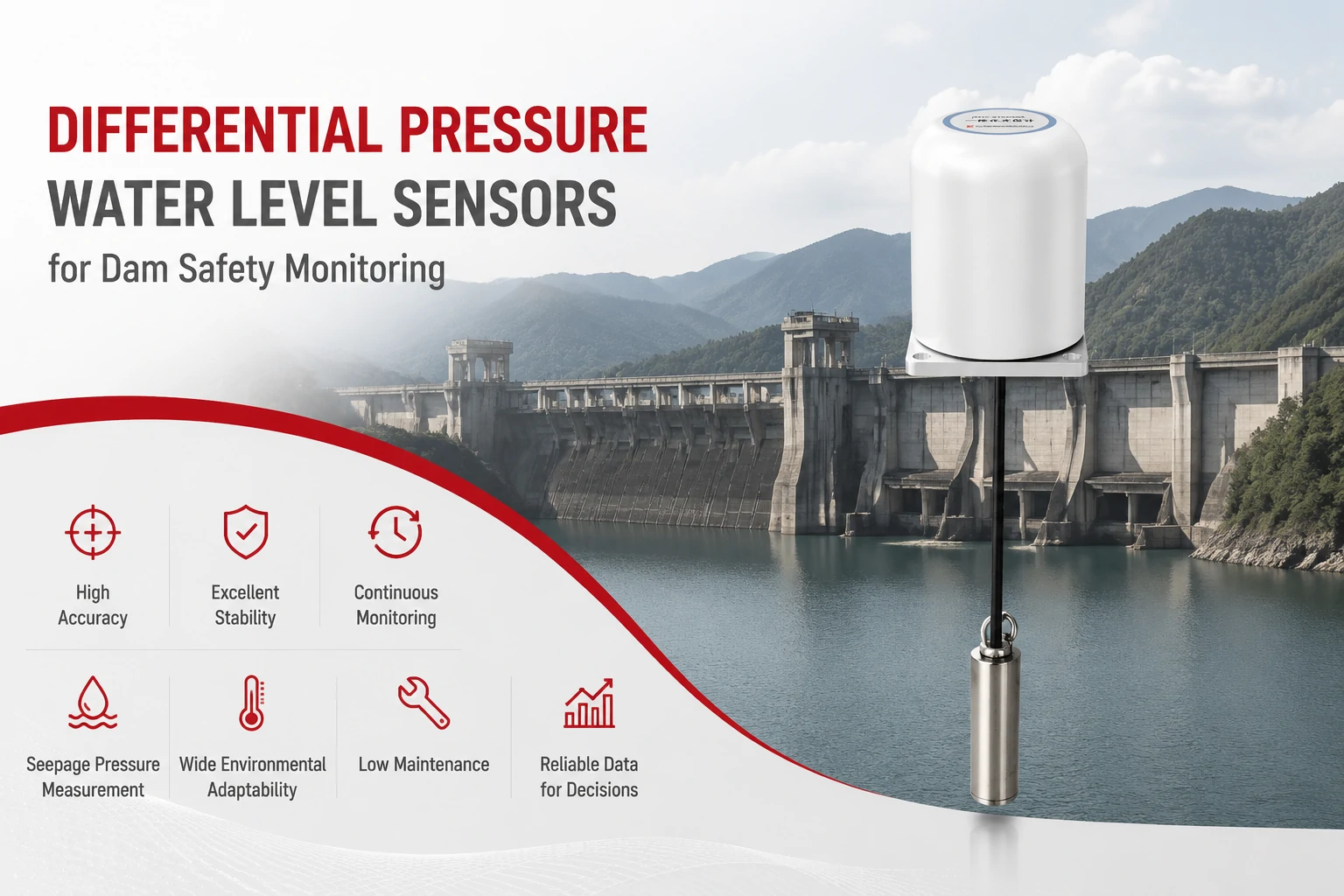
Key Takeaways The strongest fit is usually a confined, submerged, or s...
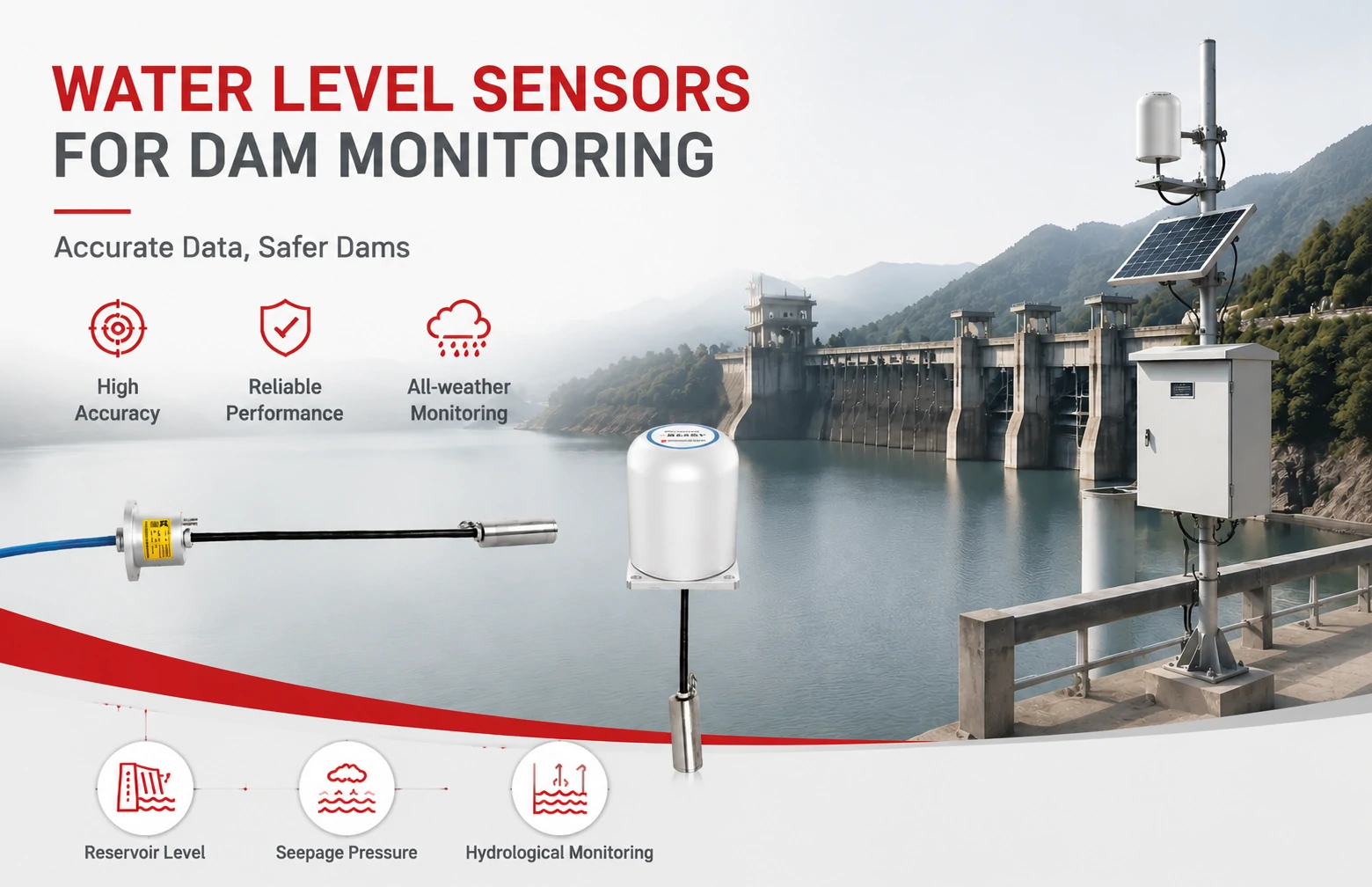
Kingmach Water Level Sensors for Dam Monitoring: A Buyer's Guide to Differential Pre...
Products
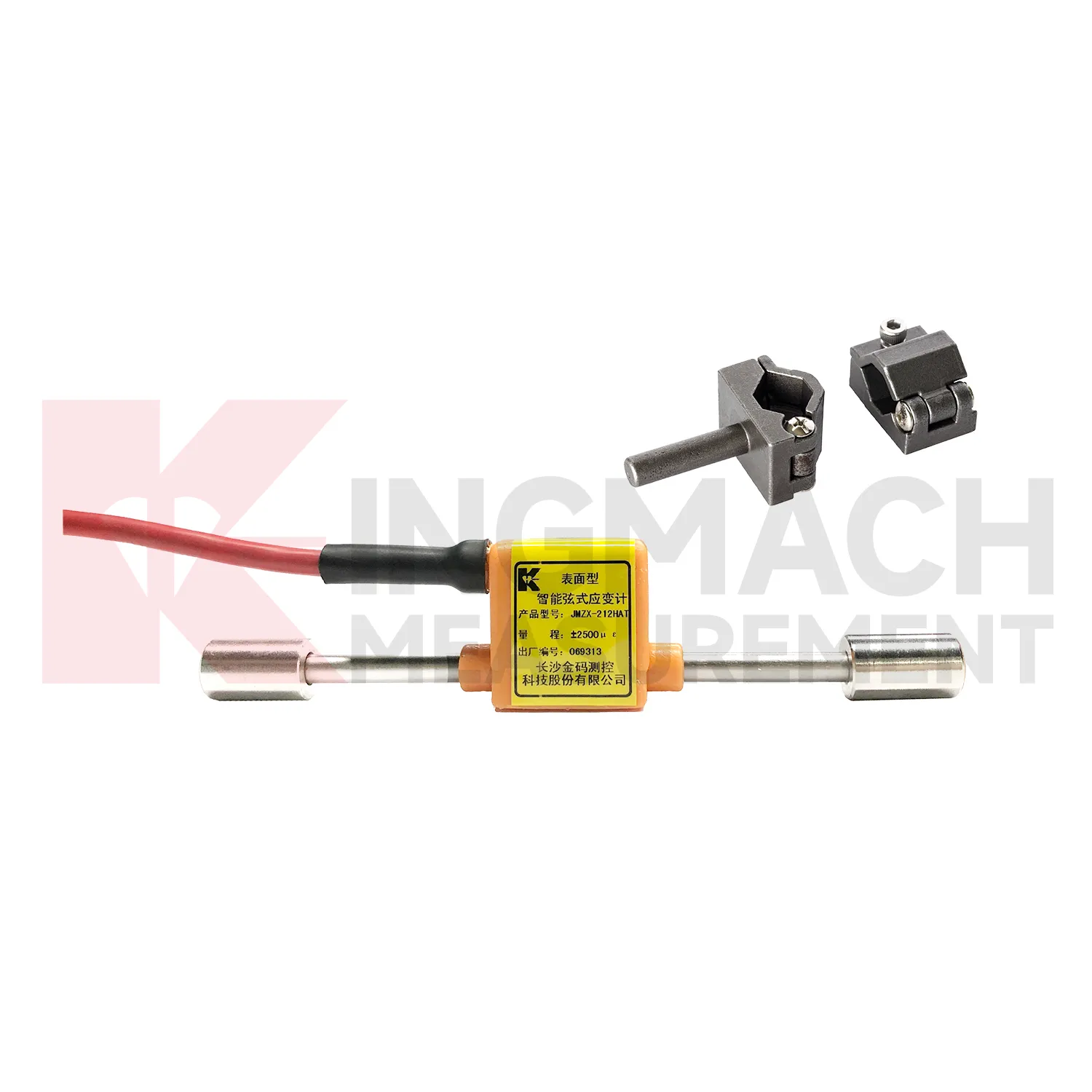
Smart vibrating wire strain gauge (surface model) JMZX-212HAT/HB
View Details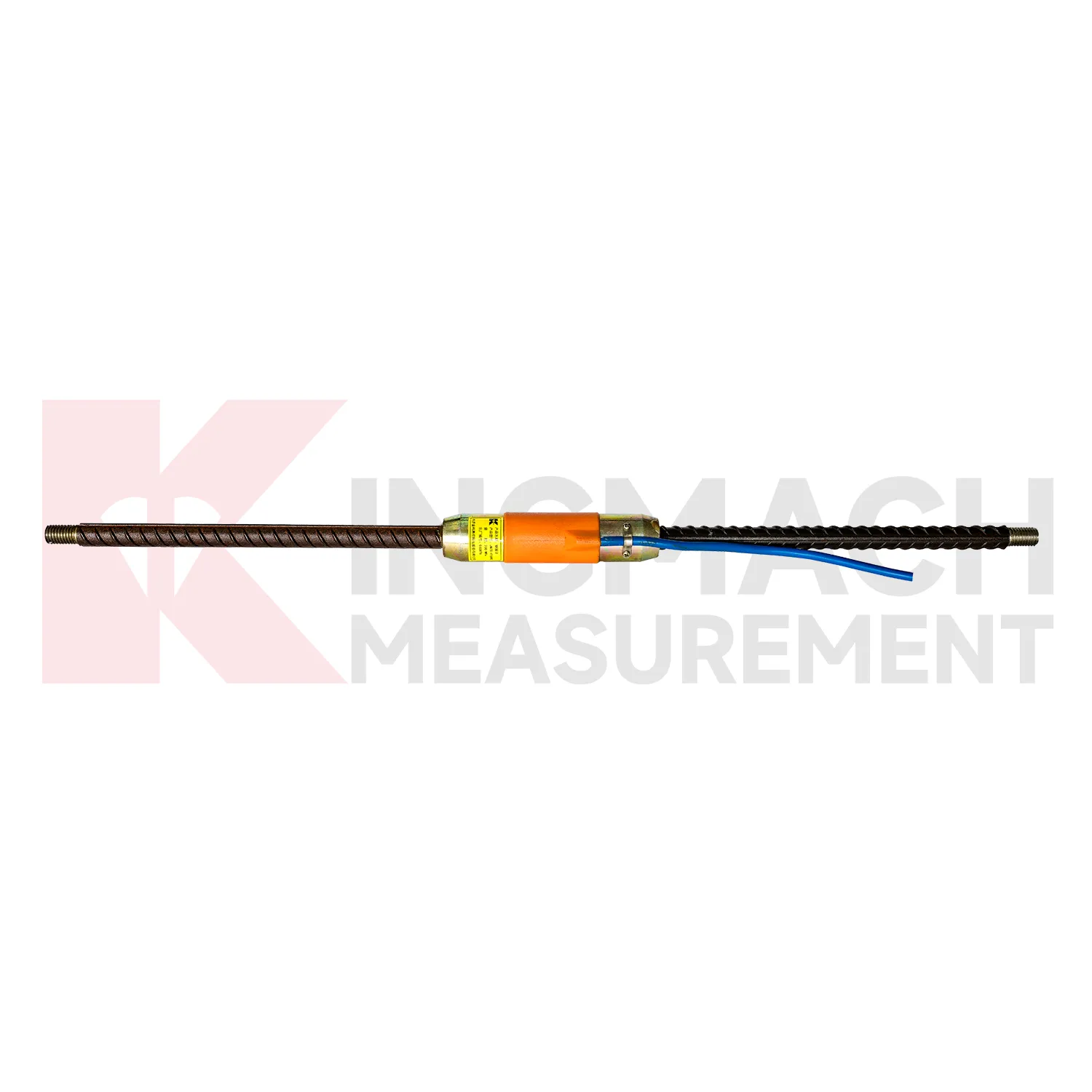
Rebar Strainmeters ( VW & Smart Type) JMZX-4XXHAT/HB
View Details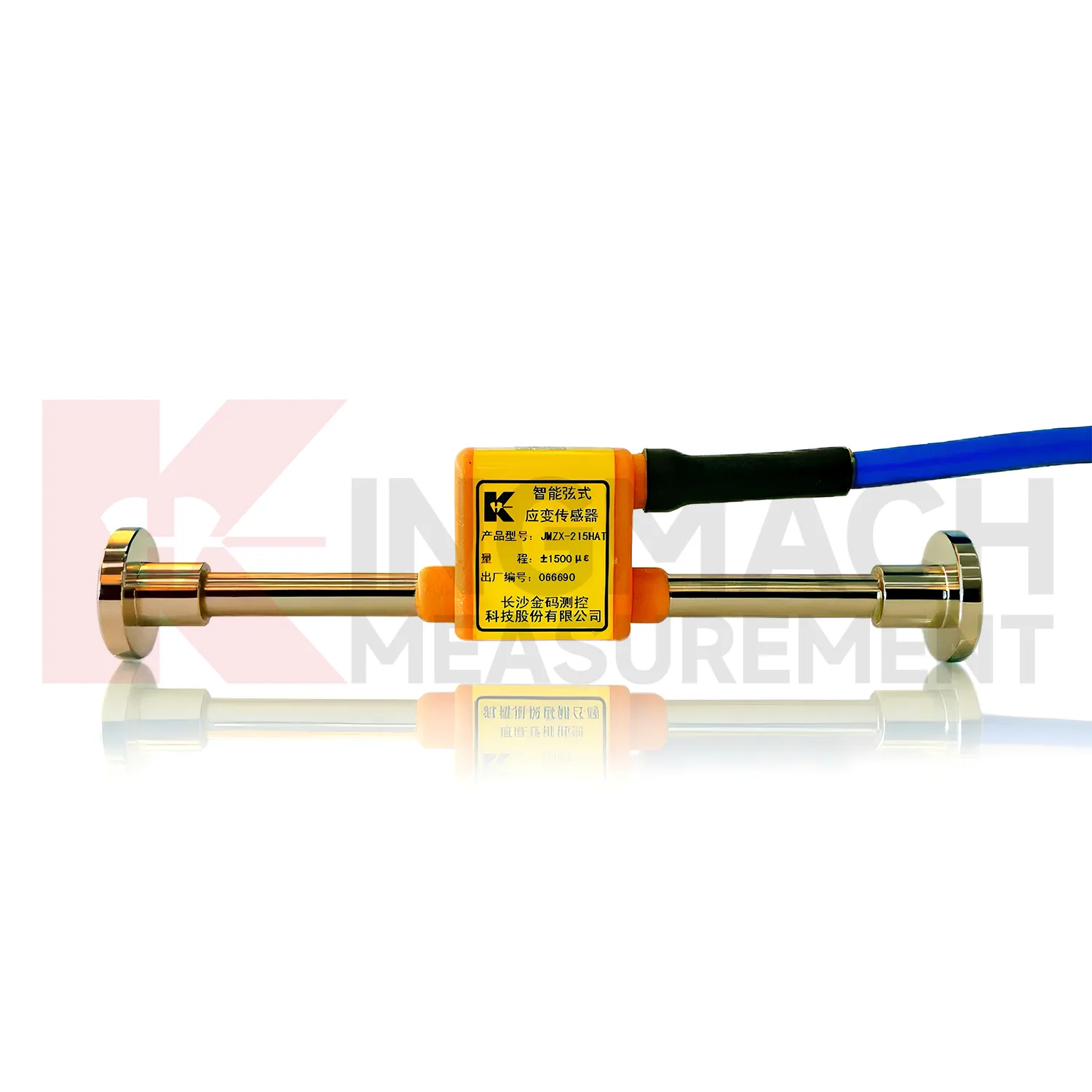
Smart vibrating wire strain gauge (embedment model) JMZX-215HA/215HAT/HB
View DetailsFAQ
It comes down to monitoring duration and signal distance. Foil gauges give high sensitivity but are prone to drift over months unless the cabling and moisture protection are meticulous. Vibrating wire gauges are more stable over the long term and can drive signals several hundred meters without degradation, which suits large construction sites. Fiber optic gauges offer immunity to electrical noise, but they need a specialized interrogator. For a typical concrete retaining wall monitored over years, vibrating wire is often the practical choice, and Kingmach can supply the full chain—gauge, cable, and readout—so compatibility is handled.
Most field crews focus on roughness, but three other factors matter just as much: degreasing, drying time, and heat. A smooth surface cleaned with solvent only pushes grease deeper into the pores. Abrading with fine grit, followed by a conditioner that etches the surface lightly, makes a big difference. After cleaning, the surface must be bone-dry; using a heat gun to warm the steel slightly drives off any invisible moisture. The adhesive should be applied when the surface is still slightly warm to the touch, as cold metal tends to cause condensation under the gauge. Skipping the warmth step is the most common cause of early debonding in tunnels and dams.
In theory, some foil gauges can be removed and reapplied with fresh adhesive, but the success rate drops sharply if the gauge backing gets stretched or contaminated. For pile load tests where gauges are often embedded and sacrificed, it's more cost-efficient to treat them as consumables. Kingmach's mid-range pricing reflects this reality, so projects can buy spares without breaking the budget. For temporary steel monitoring where reusability is important, weldable gauges with replaceable sensors are a better option.
A common head-scratcher. First, check if the shift coincides with a change in ambient temperature or if it's a monotonic drift. If the shift is a sharp jump, look for nearby heavy equipment moving or an accidental cable snag. If the drift is slow and steady over hours, it often points to the concrete's own hydration heat coupling into the gauge, especially if the gauge is not using a full-bridge configuration with built-in temperature compensation. Kingmach's application engineers regularly help clients analyze such shifts by comparing the temperature sensor data alongside strain readings; a one-degree rise should not cause a hundred-microstrain jump unless the gauge bonding is uneven.
Share your product type, target capacity, and application requirements. Our team can review the details and recommend a practical next step.
If you are interested in our products or want to become our partner.
Please leave your contact information, our team will contact you as soon as possible.
Mail: [email protected]
Contact Us: +8613808434127
Address: No. 188 Tongzipo West Rd, Changsha, Hunan, China