
 EN
EN
 ar
ar bg
bg hr
hr cs
cs da
da nl
nl fi
fi fr
fr de
de el
el hi
hi it
it ko
ko no
no pl
pl pt
pt ro
ro ru
ru es
es sv
sv tl
tl iw
iw id
id lv
lv lt
lt sr
sr sk
sk sl
sl uk
uk vi
vi et
et hu
hu th
th tr
tr fa
fa ms
ms hy
hy ka
ka ur
ur bn
bn mn
mn ta
ta kk
kk uz
uz ku
ku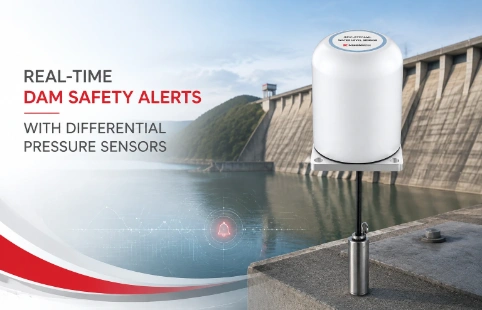
Real-Time Dam Safety Alerts with Differential Pressure Water Level Sensors
Key Takeaways An alert chain needs more than a sensor: define field in...

Measuring Strain with Strain Gauges: A Practical Guide
Strain gauges remain one of the most direct ways to understand how materials behave under load. Whether it’s a bridge, a dam, or a deep excavation, measuring strain with strain gauges gives engineers data they can act on—no guessing required. At Kingmach, we’ve seen how the right gauge, installed correctly, turns complex stress analysis into manageable numbers. This article walks through the essentials of strain gauge measurement and how our instruments can support your geotechnical monitoring needs. From verifying design assumptions during construction to keeping an eye on aging infrastructure, strain data reveals bending, shear, and axial forces that affect safety. The key is selecting a gauge that matches the material and environment, and then integrating it into a reliable data acquisition system. Kingmach specializes in providing such components—and the know‑how to make them work together.
Technical Detail
Kingmach’s approach to measuring strain with strain gauges starts with a wide selection of foil and wire gauges suited to geotechnical projects. Our portfolio covers common resistances (like 120 Ω and 350 Ω) and gauge lengths ranging from a few millimeters to tens of centimeters. For concrete structures, we offer gauges with rugged backing and extended leads to survive embedding in wet concrete. In steel or rock applications, our high‑elongation gauges track strains beyond the yield point. We also supply terminal blocks, bonding adhesives, and protective coatings—everything you need for a complete installation. Customization is a core part of our service. Need a specific grid pattern for a confined space? A different nominal resistance to match your existing logger? We can adapt. Our technical support team guides you through gauge selection, surface preparation, and wiring to reduce measurement errors. And with distributors in key regions, getting your order and on‑the‑ground help is straightforward. Kingmach also understands that strain is just one piece of the monitoring puzzle. We manufacture a full line of geotechnical sensors—inclinometers, piezometers, load cells—so you can pair strain data with other measurements easily. This integrated perspective means we can help you design a monitoring system rather than just selling a gauge. Every strain gauge we ship comes with individual calibration factor sheets, and large orders include statistical quality reports. After the sale, we’re available for remote troubleshooting and can recommend training options if your team is new to strain gauge work.
News
Key Takeaways An alert chain needs more than a sensor: define field in...
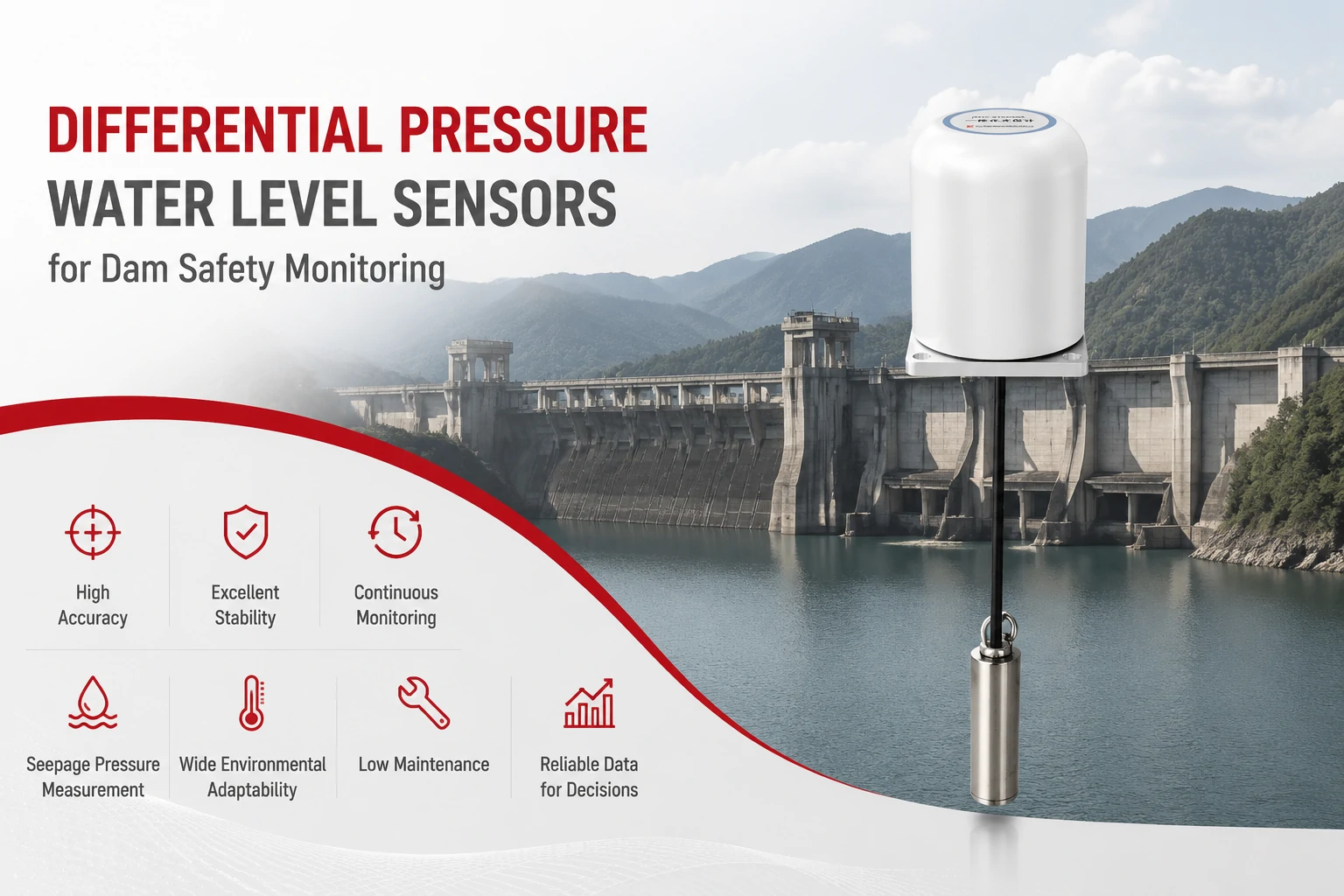
Key Takeaways The strongest fit is usually a confined, submerged, or s...
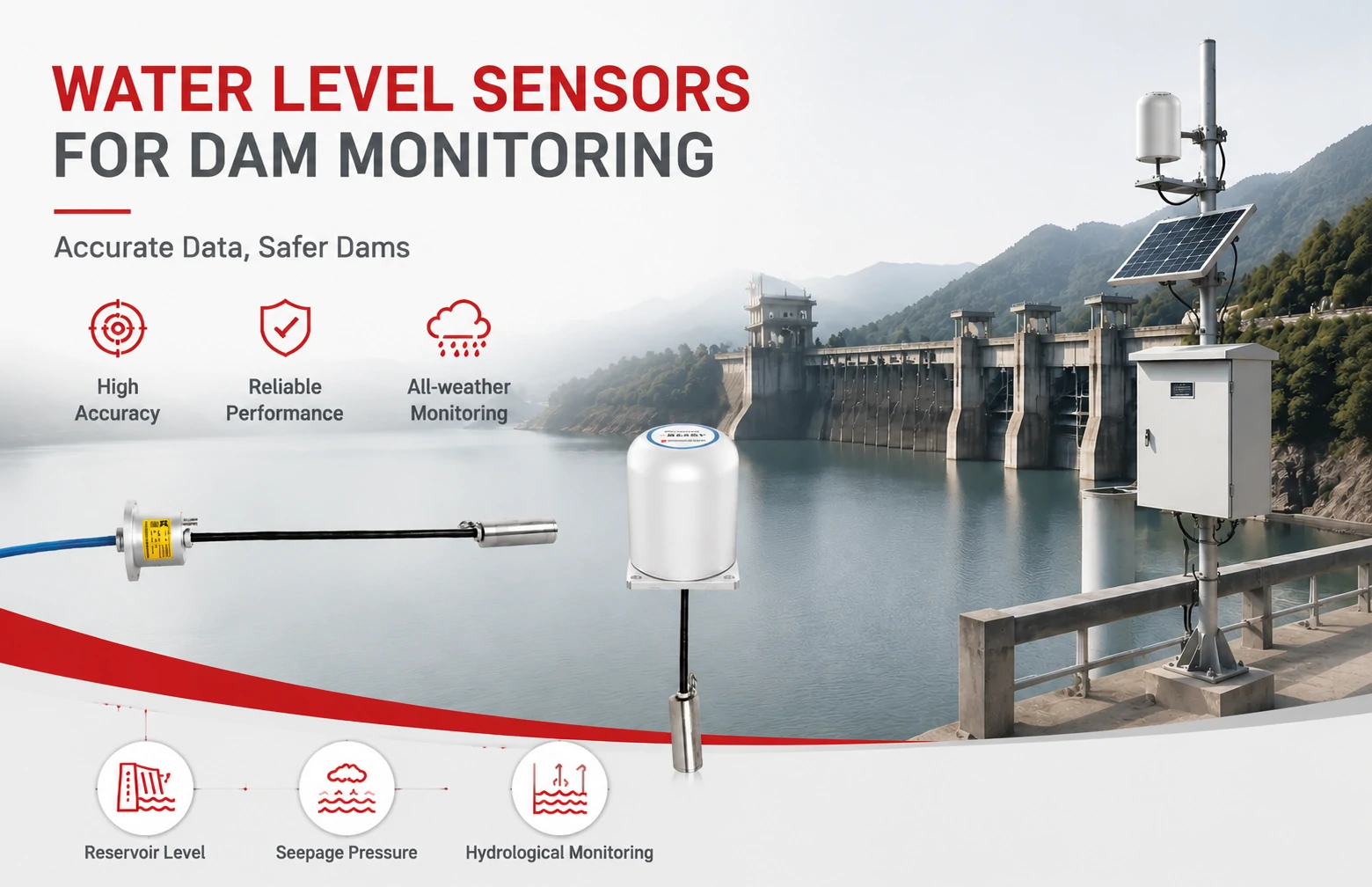
Kingmach Water Level Sensors for Dam Monitoring: A Buyer's Guide to Differential Pre...
Products
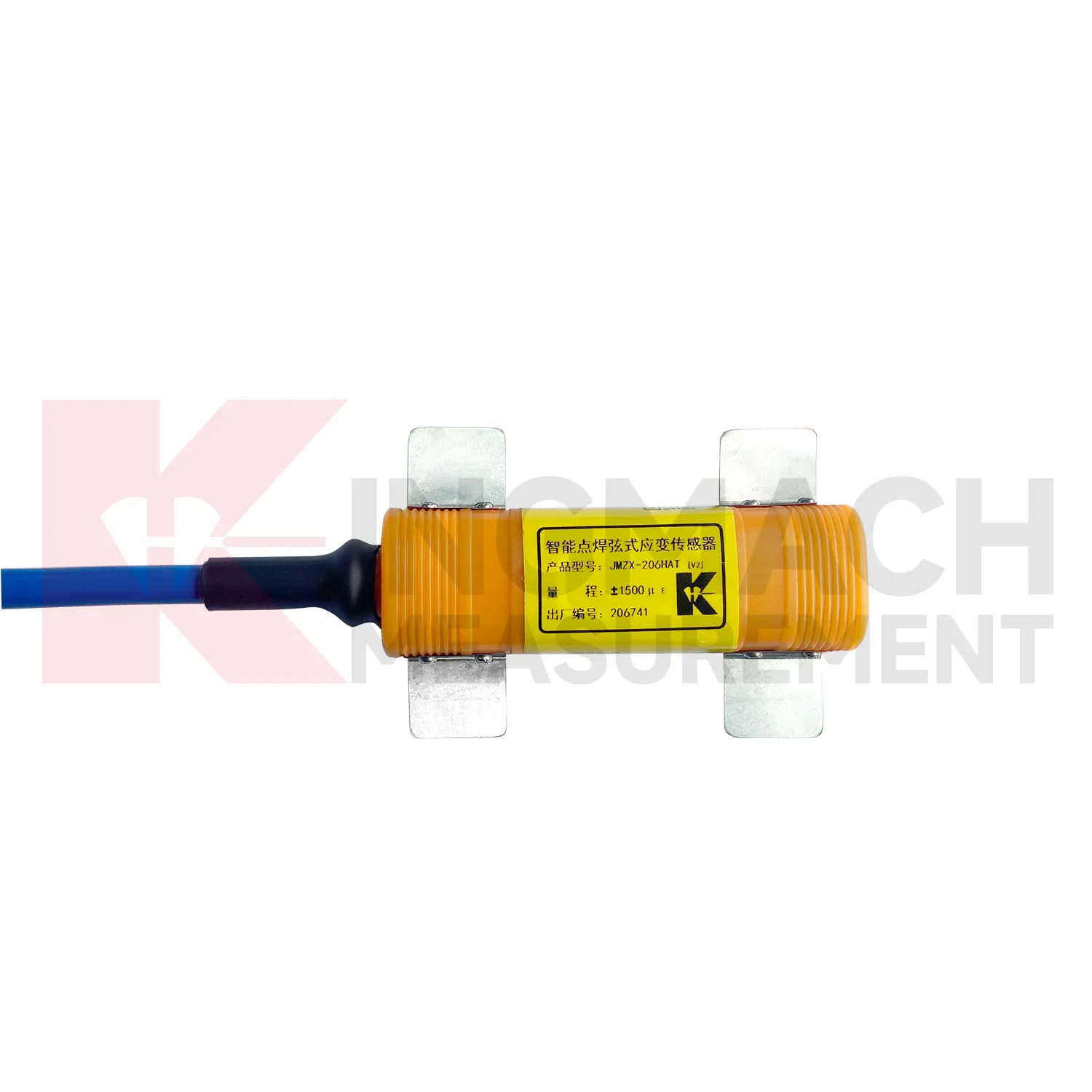
Smart vibrating wire strain gauge (surface welded model) JMZX-206HAT
View Details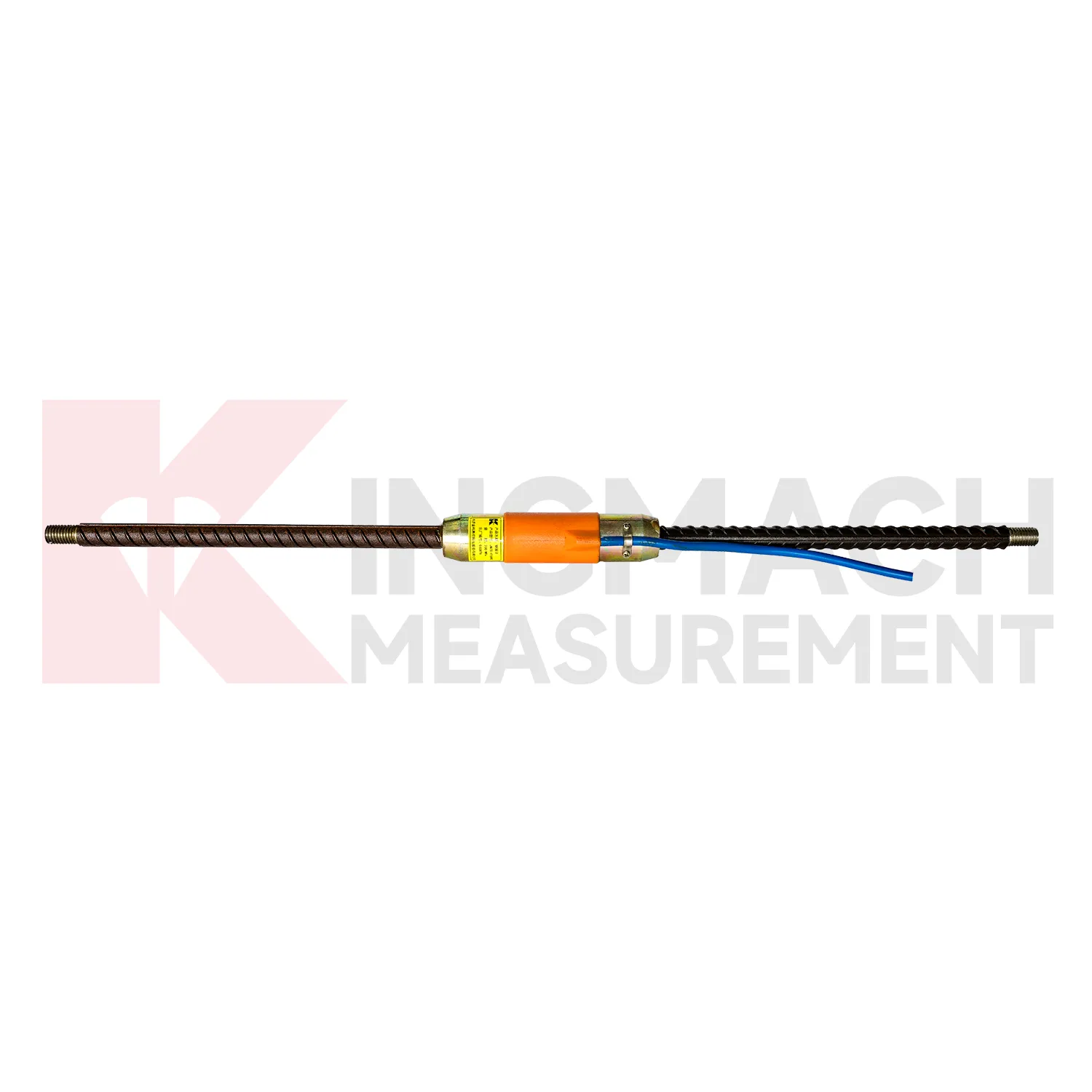
Rebar Strainmeters ( VW & Smart Type) JMZX-4XXHAT/HB
View Details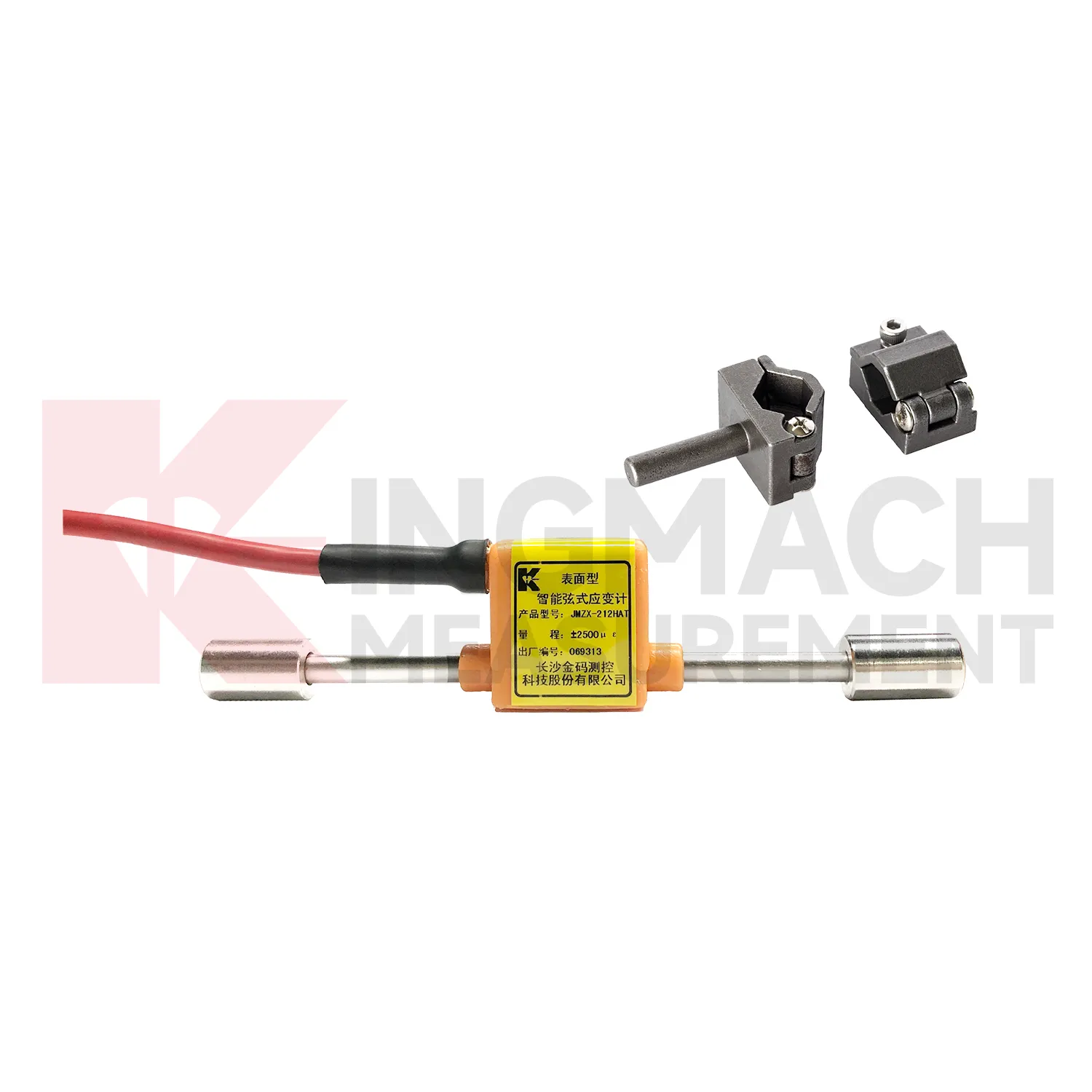
Smart vibrating wire strain gauge (surface model) JMZX-212HAT/HB
View DetailsFAQ
Bonded strain gauges are glued directly to the test surface and are typical for structural monitoring. Unbonded types are used inside transducers. Kingmach can advise which style fits your application best.
Temperature compensation is critical. We offer self-temperature-compensated gauges matched to common materials like steel, concrete, and aluminum. Our support team helps you match the gauge’s thermal expansion coefficient to your substrate.
Yes, with proper protection. We provide polyurethane coatings, silicone sealants, and moisture‑proof terminal junctions. Our installation guides also cover techniques to avoid galvanic corrosion and UV damage.
We supply detailed manuals and remote consultation. For complex sites, our distribution partners can arrange local hands‑on training. We also share best‑practice videos and documentation.
Absolutely. We can modify grid length, resistance, backing material, and lead wire length to suit your project. Custom orders typically include prototype validation and dedicated engineering support.
Share your product type, target capacity, and application requirements. Our team can review the details and recommend a practical next step.
If you are interested in our products or want to become our partner.
Please leave your contact information, our team will contact you as soon as possible.
Mail: [email protected]
Contact Us: +8613808434127
Address: No. 188 Tongzipo West Rd, Changsha, Hunan, China