
 EN
EN
 ar
ar bg
bg hr
hr cs
cs da
da nl
nl fi
fi fr
fr de
de el
el hi
hi it
it ko
ko no
no pl
pl pt
pt ro
ro ru
ru es
es sv
sv tl
tl iw
iw id
id lv
lv lt
lt sr
sr sk
sk sl
sl uk
uk vi
vi et
et hu
hu th
th tr
tr fa
fa ms
ms hy
hy ka
ka ur
ur bn
bn mn
mn ta
ta kk
kk uz
uz ku
ku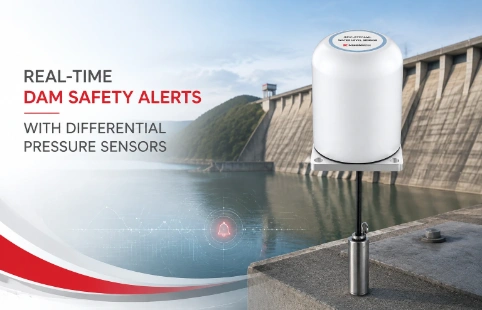
Real-Time Dam Safety Alerts with Differential Pressure Water Level Sensors
Key Takeaways An alert chain needs more than a sensor: define field in...

Magnetic Vibration Sensors: Real-World Monitoring That Works
A few months back, a maintenance engineer at a steel plant told us about a recurring problem: a critical fan kept tripping alarms without clear cause. Standard accelerometers were getting surface readings that looked fine, but inside the bearing housing, things were anything but. That’s where magnetic vibration sensors change the game. By attaching securely to ferrous surfaces without drilling or epoxy, they give you a direct look at what’s actually happening inside rotating equipment. Kingmach has been supplying these sensors into industries that can’t afford guesswork—mining, cement, water treatment—and the feedback loop with users keeps pushing them to refine sensitivity and mounting options. It’s not about selling a box; it’s about giving you data you can act on. When every hour of uptime matters, the way you measure vibration should fit the job, not the other way around.
Technical Detail
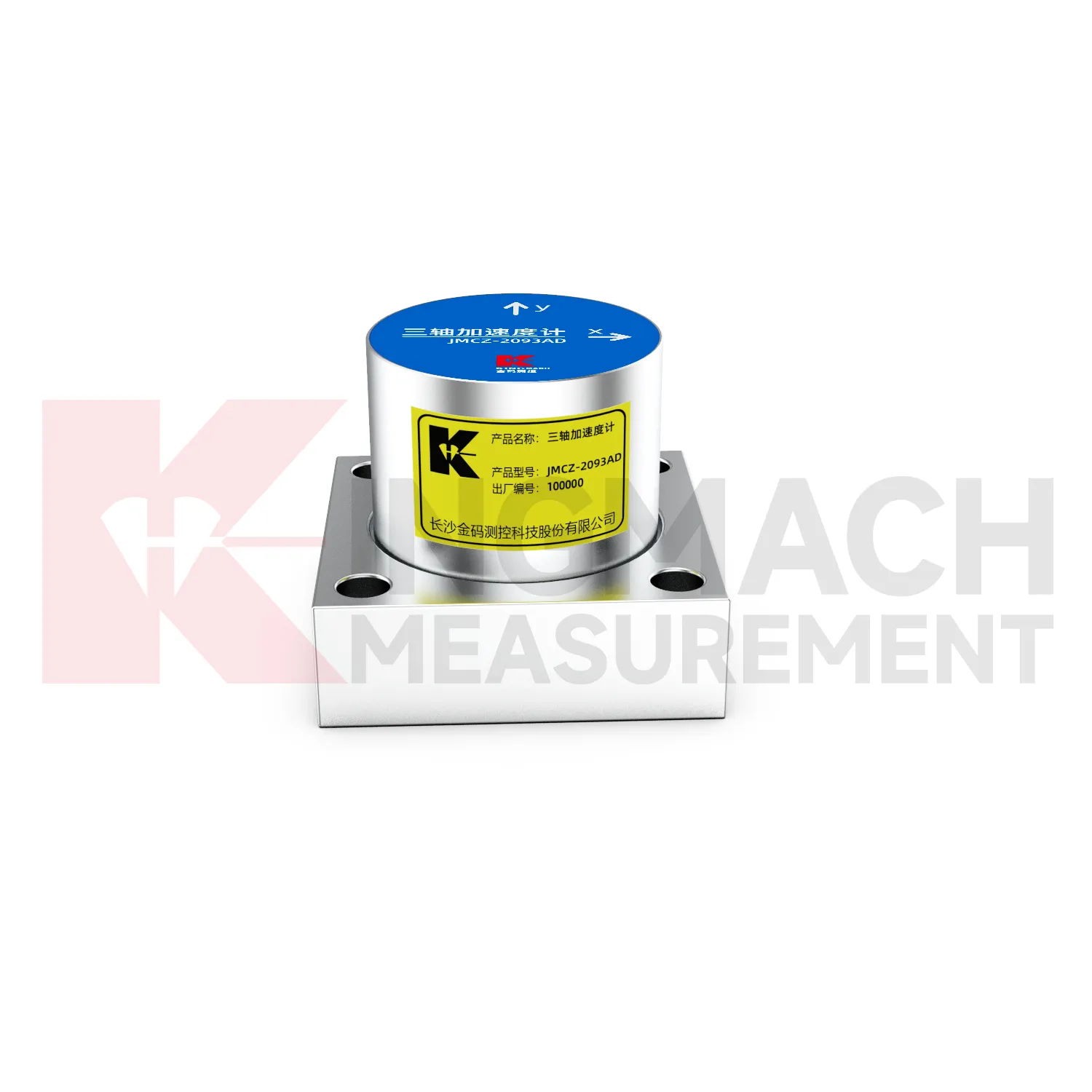
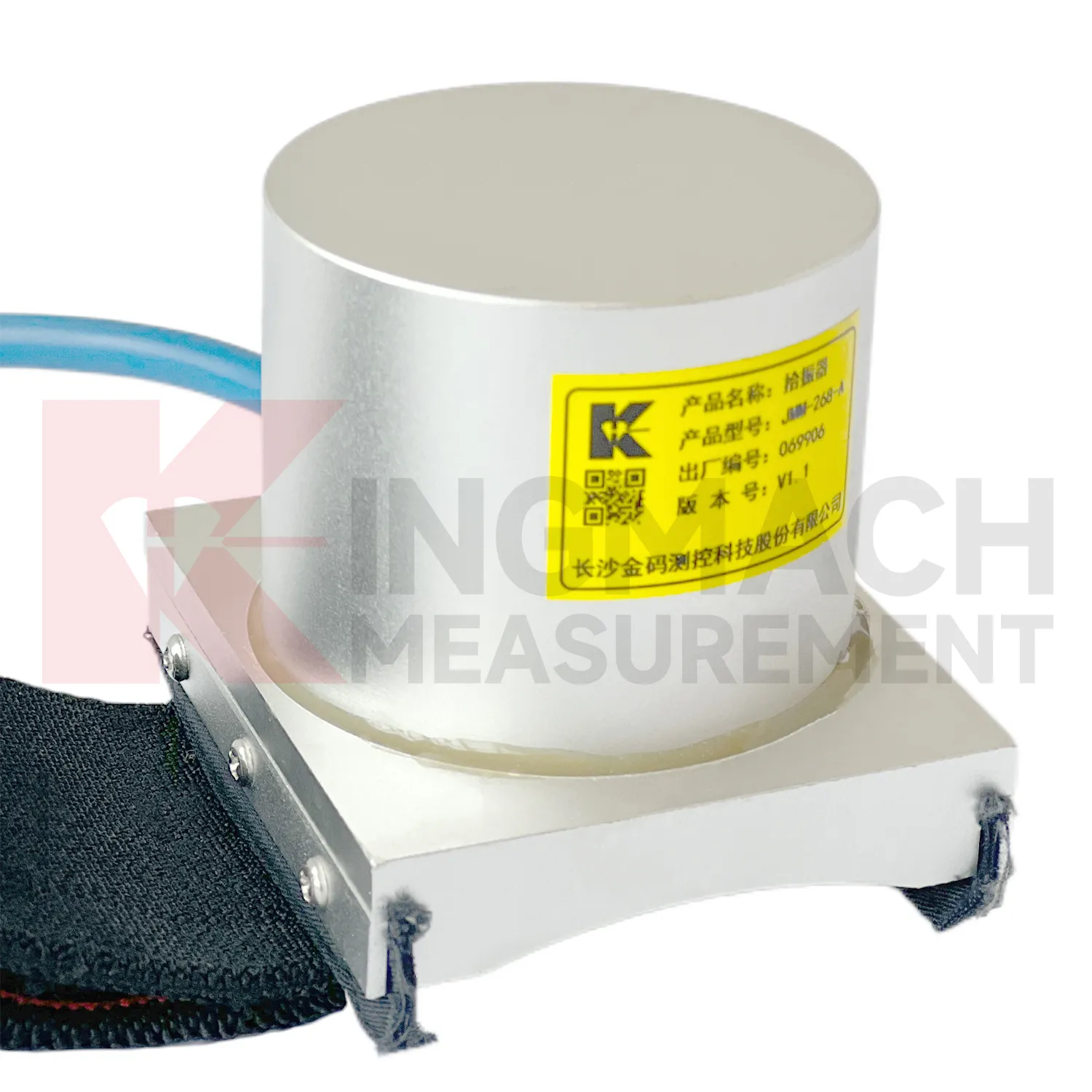
Magnetic vibration sensors from Kingmach are built for condition monitoring programs that need consistent, repeatable data without complicated installation. The magnetic base grips solidly to machine housings, so you can move a sensor between measurement points in seconds—no tools, no adhesive curing time. That flexibility alone has made them a go-to for route-based monitoring in plants where permanent setups are impractical. Internally, the sensing element is selected for low-noise output across a wide frequency range, typically covering the sweet spots for bearing fault detection and gear mesh analysis. Kingmach’s product range spans general-purpose models with standard mV/g sensitivity and higher-sensitivity options for low-speed equipment like screw conveyors or cooling tower drives. Custom output scaling and cable lengths are available to match legacy vibration analyzers or newer IIoT gateways. Being a professional manufacturer of geotechnical and monitoring instruments, Kingmach applies the same design discipline it uses for inclinometers and load cells to vibration sensors—think rugged stainless steel housings, sealed connectors, and electronics potted against moisture and dust. Technical support comes directly from engineers who understand not just the sensor, but the larger monitoring ecosystem, from data collector settings to alarm thresholds. Distribution partners in key markets keep lead times short, and after-sales service covers calibration checks and troubleshooting beyond the warranty period. For projects needing a specific mounting footprint or hazardous area certification, the customization team works directly with your specs rather than offering off-the-shelf compromises.
News
Key Takeaways An alert chain needs more than a sensor: define field in...
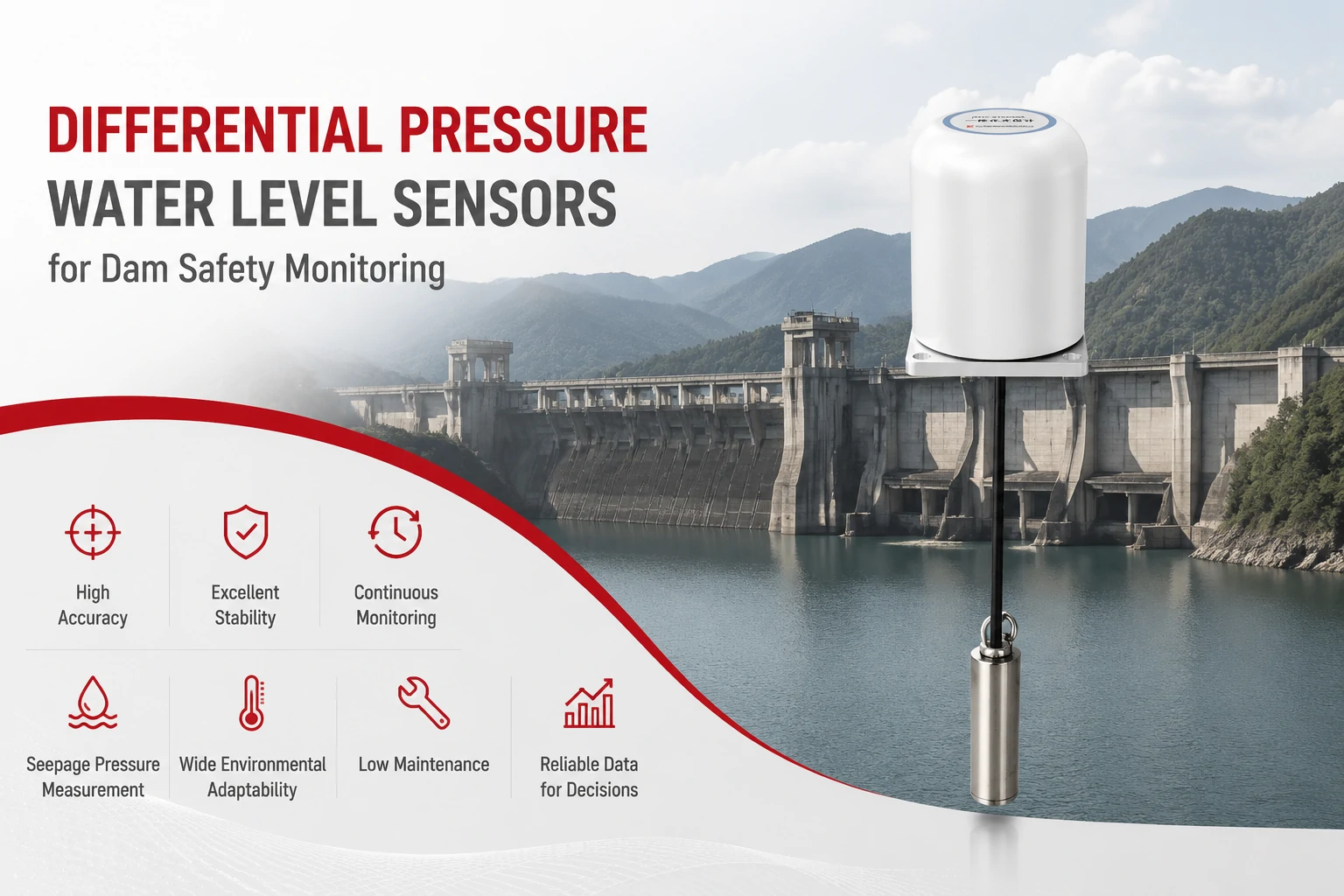
Key Takeaways The strongest fit is usually a confined, submerged, or s...
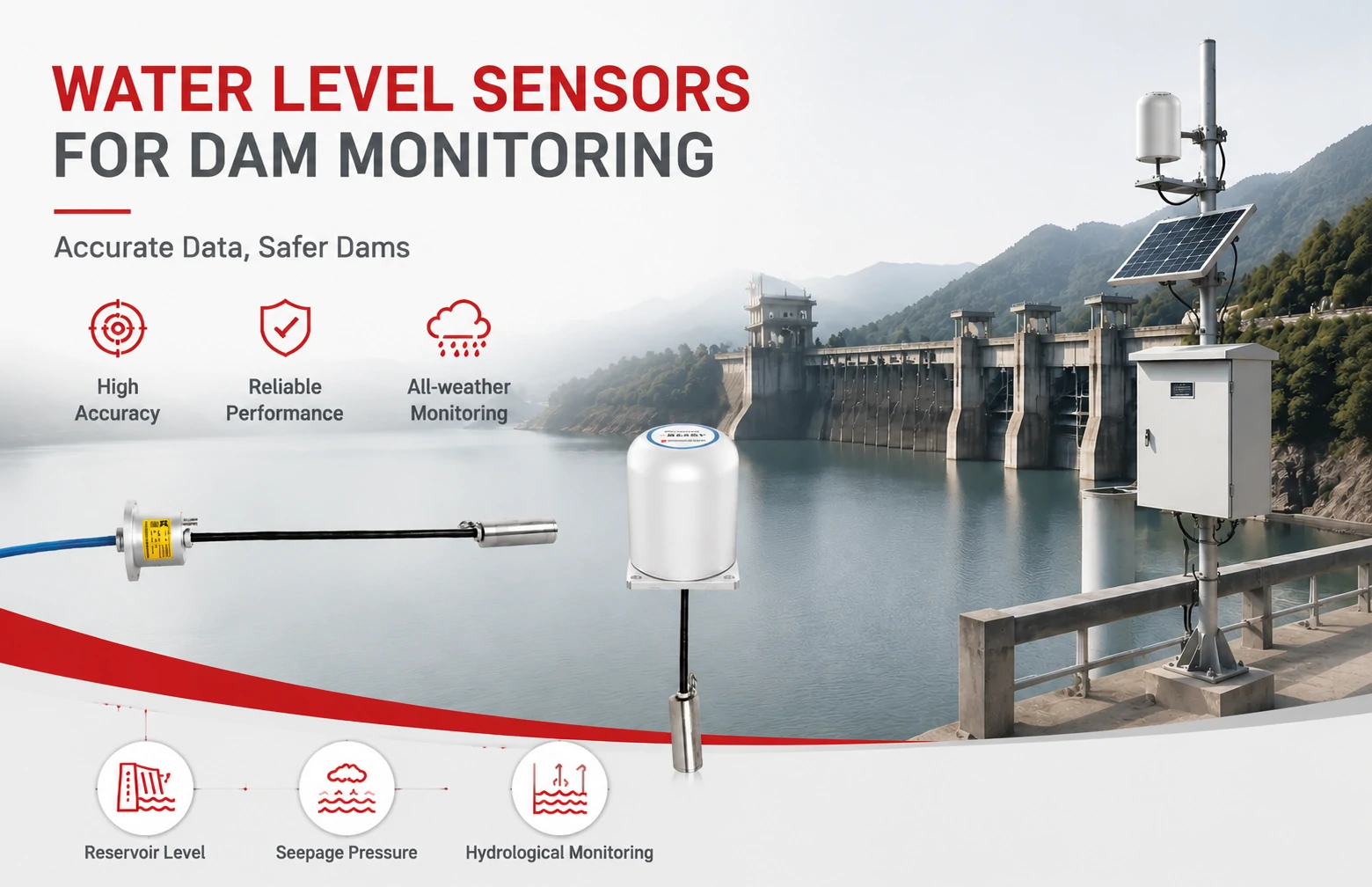
Kingmach Water Level Sensors for Dam Monitoring: A Buyer's Guide to Differential Pre...
Products
FAQ
A magnetic vibration sensor uses a strong magnet to couple with the machine surface, allowing it to be attached or moved quickly without permanent mounting. Stud-mounted accelerometers require a drilled and tapped hole, which gives the highest frequency response but is less practical for temporary or survey monitoring. The magnetic option gives you a solid enough connection for most rotating equipment fault frequencies, while keeping the installation non-invasive.
For equipment running below 600 RPM, a higher sensitivity like 500 mV/g or even 1000 mV/g helps pull vibration signals out of the noise floor. Standard 100 mV/g sensors can miss the subtle imbalance or misalignment signals at low speeds. Kingmach offers sensitivity options transparently, so you match the sensor to the vibration level you expect, not the other way around.
Yes, with proper protection. Kingmach magnetic vibration sensors come with IP67-rated housings and sealed connectors. For long-term outdoor use, many users secure the cable with a strain relief and add a sun shield. The magnetic attachment is strong, but in environments with heavy vibration or shock, a secondary safety strap is common practice.
Standard units ship with a basic conformance certificate. If your program requires traceable calibration data, Kingmach can supply sensors with full ISO 17025 certification from our lab, including frequency response plots and sensitivity verification at multiple points. This is frequently ordered for pharmaceutical or aerospace condition monitoring.
The magnetic clamping force is rated to hold over 100 g of acceleration on clean, flat steel surfaces. In practice, sensors stay put for months in most industrial environments. The main things that degrade attachment are paint thickness, surface rust, or heavy impact. Regular inspection is part of best practice, and replacement magnets are available if needed.
Share your product type, target capacity, and application requirements. Our team can review the details and recommend a practical next step.
If you are interested in our products or want to become our partner.
Please leave your contact information, our team will contact you as soon as possible.
Mail: [email protected]
Contact Us: +8613808434127
Address: No. 188 Tongzipo West Rd, Changsha, Hunan, China