
 EN
EN
 ar
ar bg
bg hr
hr cs
cs da
da nl
nl fi
fi fr
fr de
de el
el hi
hi it
it ko
ko no
no pl
pl pt
pt ro
ro ru
ru es
es sv
sv tl
tl iw
iw id
id lv
lv lt
lt sr
sr sk
sk sl
sl uk
uk vi
vi et
et hu
hu th
th tr
tr fa
fa ms
ms hy
hy ka
ka ur
ur bn
bn mn
mn ta
ta kk
kk uz
uz ku
ku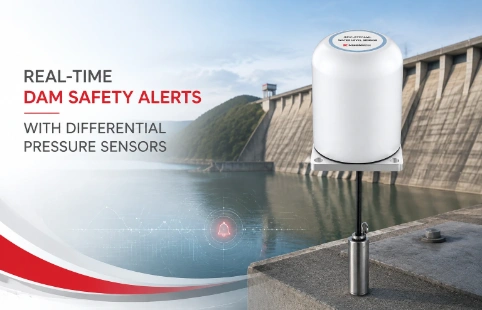
Real-Time Dam Safety Alerts with Differential Pressure Water Level Sensors
Key Takeaways An alert chain needs more than a sensor: define field in...

Datalogger That Handles Tough Field Monitoring Jobs
A project engineer once told us that the hardest part of remote monitoring isn’t the sensors—it’s keeping the data flowing reliably for months on end. Power cuts, temperature swings, and cellular dead zones turn a simple logging task into a full-time headache. That’s where Kingmach dataloggers earn their keep. Built around the idea that field instruments rarely sit in a cozy lab, these units are designed to work with the sensors you already use—vibrating wire piezometers, crack meters, inclinometers, you name it. They grab readings on schedule, store them safely, and push them out when a connection is available, without demanding constant attention. We don’t throw around words like “rugged” lightly. The enclosures and terminal blocks are chosen to survive humidity, dust, and the occasional curious insect, because real job sites don’t have filtered air. Whether you are tracking settlement behind a dam, watching slope movement along a highway, or logging water levels in a borehole, the point is the same: you need clean, complete datasets, not a box that quits after the first storm. Kingmach’s dataloggers have been deployed in monitoring networks from Southeast Asia to South America, often configured to match specific sensor mixes and reporting intervals. The idea is to give you a tool that fits the job, not a one-size-fits-all box that forces you to adapt your whole setup.
Technical Detail
Kingmach dataloggers sit between field sensors and the people who need the data, and the design choices reflect that middle-ground reality. The input side accommodates a range of signal types seen in geotechnical work—vibrating wire, 4–20 mA, RS-485, thermistor, and potenciometric circuits are common, and custom front-end modules can be added for less standard sensors. This flexibility means one logger can often consolidate several standalone readout units, cutting down on the number of boxes bolted to a wall. The analog front ends use 24-bit ADCs with programmable gain, which helps pull clean signals from long cable runs and low-output instruments. Sampling rates and trigger conditions are user-configurable, so you are not forced into a fixed scan interval that doesn’t match the physics of what you are monitoring. Internally, data goes onto industrial-grade flash storage—no spinning disks or battery-backed RAM that fail silently. Depending on the model, storage ranges from a few million to tens of millions of timestamped records, enough for years of autonomous logging at typical hourly intervals. Power consumption is kept low: sleep currents in the microamp range let a modest battery and solar panel combination run indefinitely in all but the darkest locations. When it is time to get data out, options include cellular modem, Ethernet, RS-232, or USB mass-storage mode for a site visit download. Many users push data to an FTP server or a cloud platform; we also offer a desktop utility that handles configuration, live view, and data export without steep licensing fees. Because no two projects are identical, we build loggers to order with the exact channel count, sensor interface, and telemetry method requested. This avoids the common problem of paying for unused channels or missing the one input type you actually need. Our in-house team handles enclosure fabrication, wiring, and testing under one roof, which keeps lead times reasonable and allows us to support legacy sensor types that off-the-shelf loggers ignore. Beyond the hardware, we maintain a support channel that helps customers during commissioning, troubleshooting noise issues, or adjusting sampling logic after initial installation. The goal is to deliver a logging system that doesn’t become a project bottleneck, and we have been doing it long enough to understand that a logger is only as good as the data series it produces. That means paying attention to things like surge protection on each channel, cold-junction compensation for thermocouples, and onboard calculation of derived values such as frequency-based temperature corrections—details that make a difference when you are looking at a year of borehole data trying to spot a trend.
News
Key Takeaways An alert chain needs more than a sensor: define field in...
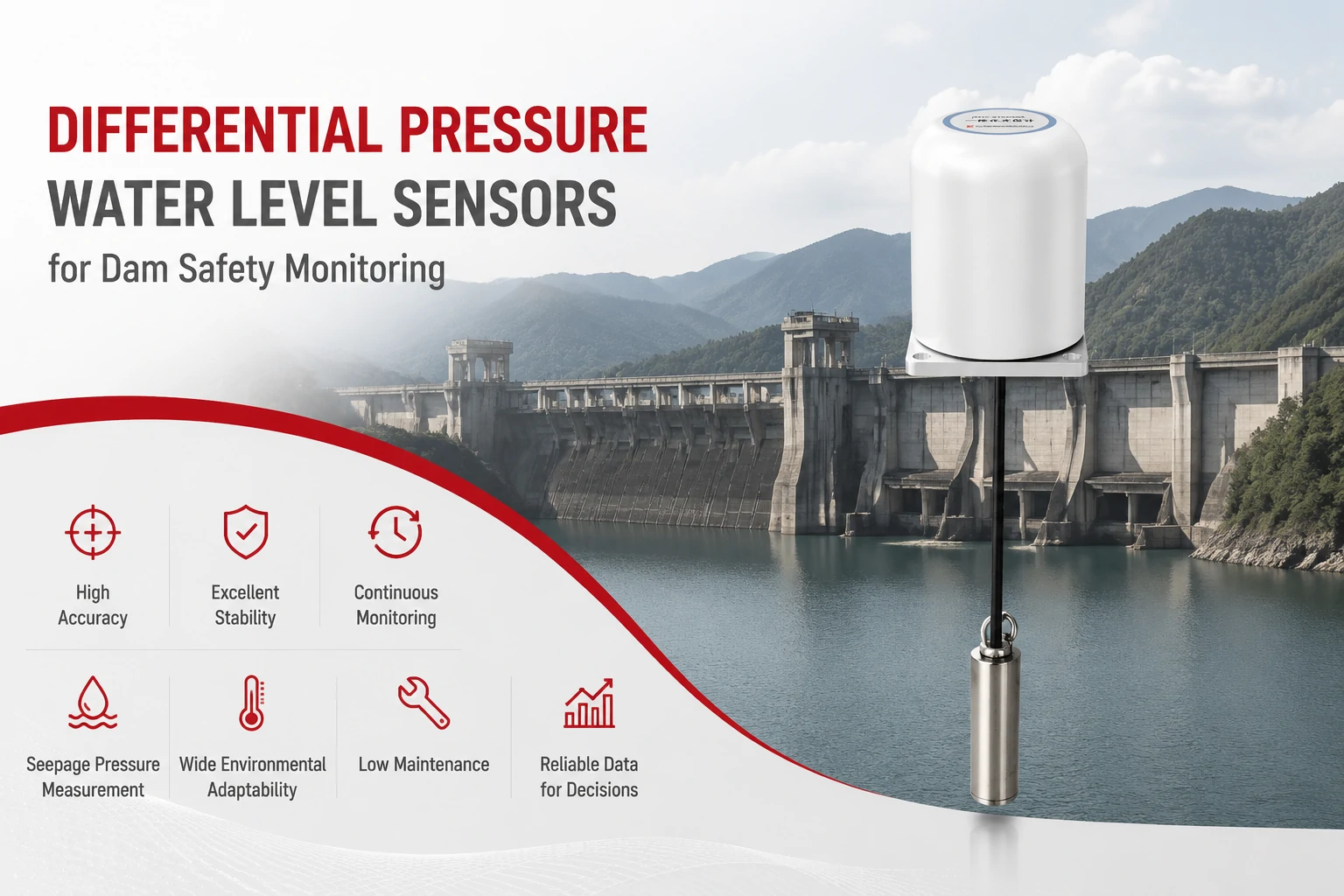
Key Takeaways The strongest fit is usually a confined, submerged, or s...
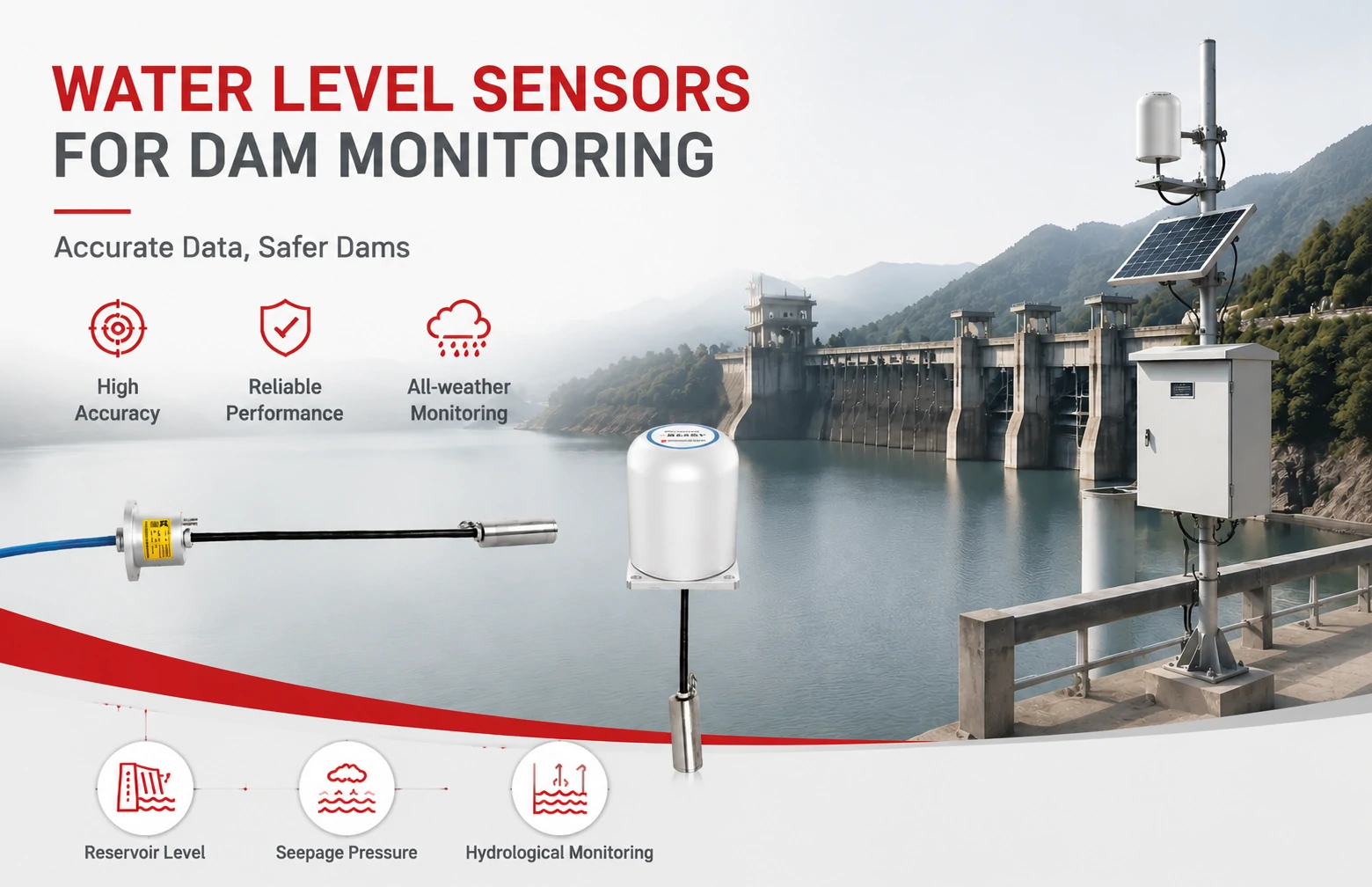
Kingmach Water Level Sensors for Dam Monitoring: A Buyer's Guide to Differential Pre...
Products
FAQ
Yes, most Kingmach dataloggers have built-in vibrating wire interfaces that provide excitation and measure the resonant frequency. They typically support common coil resistance ranges and include lightning protection. If your sensor requires a specific sweep range or special signature analysis, we can adjust the firmware.
It depends on sample rate and modem usage, but with a typical setup logging every 15 minutes and transmitting once per hour over cellular, a 12V 7Ah battery paired with a 10W solar panel can keep the system running year-round in most climates. We help size the power system during project planning.
A basic configuration and data retrieval utility is included at no extra cost. It covers channel setup, schedule programming, real-time monitoring, and data export to CSV. If you prefer to use your own SCADA or cloud platform, the logger speaks Modbus and can push CSV files via FTP or email.
Most orders ship in 2–4 weeks after we finalize the channel list and communication method. Straightforward configurations with common sensor interfaces can often ship sooner. We’ll give you a clear schedule once the specification is locked.
Some models have modular expansion slots that allow adding a few channels after delivery. If you need a completely different channel count or sensor mix, it is often more cost-effective to order a new unit built to spec. We can discuss the best approach based on your existing hardware.
Share your product type, target capacity, and application requirements. Our team can review the details and recommend a practical next step.
If you are interested in our products or want to become our partner.
Please leave your contact information, our team will contact you as soon as possible.
Mail: [email protected]
Contact Us: +8613808434127
Address: No. 188 Tongzipo West Rd, Changsha, Hunan, China