
 EN
EN
 ar
ar bg
bg hr
hr cs
cs da
da nl
nl fi
fi fr
fr de
de el
el hi
hi it
it ko
ko no
no pl
pl pt
pt ro
ro ru
ru es
es sv
sv tl
tl iw
iw id
id lv
lv lt
lt sr
sr sk
sk sl
sl uk
uk vi
vi et
et hu
hu th
th tr
tr fa
fa ms
ms hy
hy ka
ka ur
ur bn
bn mn
mn ta
ta kk
kk uz
uz ku
ku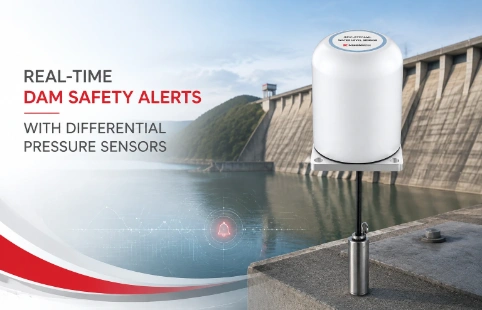
Real-Time Dam Safety Alerts with Differential Pressure Water Level Sensors
Key Takeaways An alert chain needs more than a sensor: define field in...

Custom Load Cells That Fit Your Monitoring Setup
Off-the-shelf load cells rarely match every site condition. In foundation monitoring, tunnel lining stress tests, or tie-back anchor checks, you often need a different range, a slimmer profile, or a connector that handles wet environments without failing. That’s where custom load cells make a practical difference. Kingmach has been producing geotechnical instruments for years, and much of our work now revolves around adapting load cells to fit specific project demands—whether that means tweaking the dimensions, adjusting the rated capacity, or sealing the housing for long-term burial. We don’t just slap a new label on a standard model. Our engineers sit down with your requirements, sketch out the load path, and figure out what changes will actually improve accuracy and survivability in the field. The result is a sensor that fits your monitoring setup from day one, not one that forces you to compromise on installation or data quality.
Technical Detail
Custom load cells from Kingmach begin with a straightforward conversation about what you’re trying to measure and what constraints you’re facing. Because we manufacture in-house, we can modify quite a few parameters: the sensing element itself (foil strain gauge or vibrating wire, depending on whether you need dynamic or long-term static readings), the measuring range (from a few kilonewtons up to several meganewtons), the physical shape (low-profile doughnut cells, center-hole anchors, welded-end rods), and the environmental protection (IP67 or higher sealing, stainless steel bodies for corrosive soils). Output signals can be matched to your data logger—mV/V, 4–20 mA, RS485—without adding external amplifiers. We also handle the calibration internally and supply traceable certificates if your QA process demands them. Outside the workshop, our distribution network gets hardware where it needs to be, and our technical support team helps with installation advice and troubleshooting after delivery. For projects that involve a mix of sensors—load cells alongside inclinometers, pressure cells, or extensometers—we often supply the full set, which cuts down on compatibility issues and saves you from managing multiple vendors.
News
Key Takeaways An alert chain needs more than a sensor: define field in...
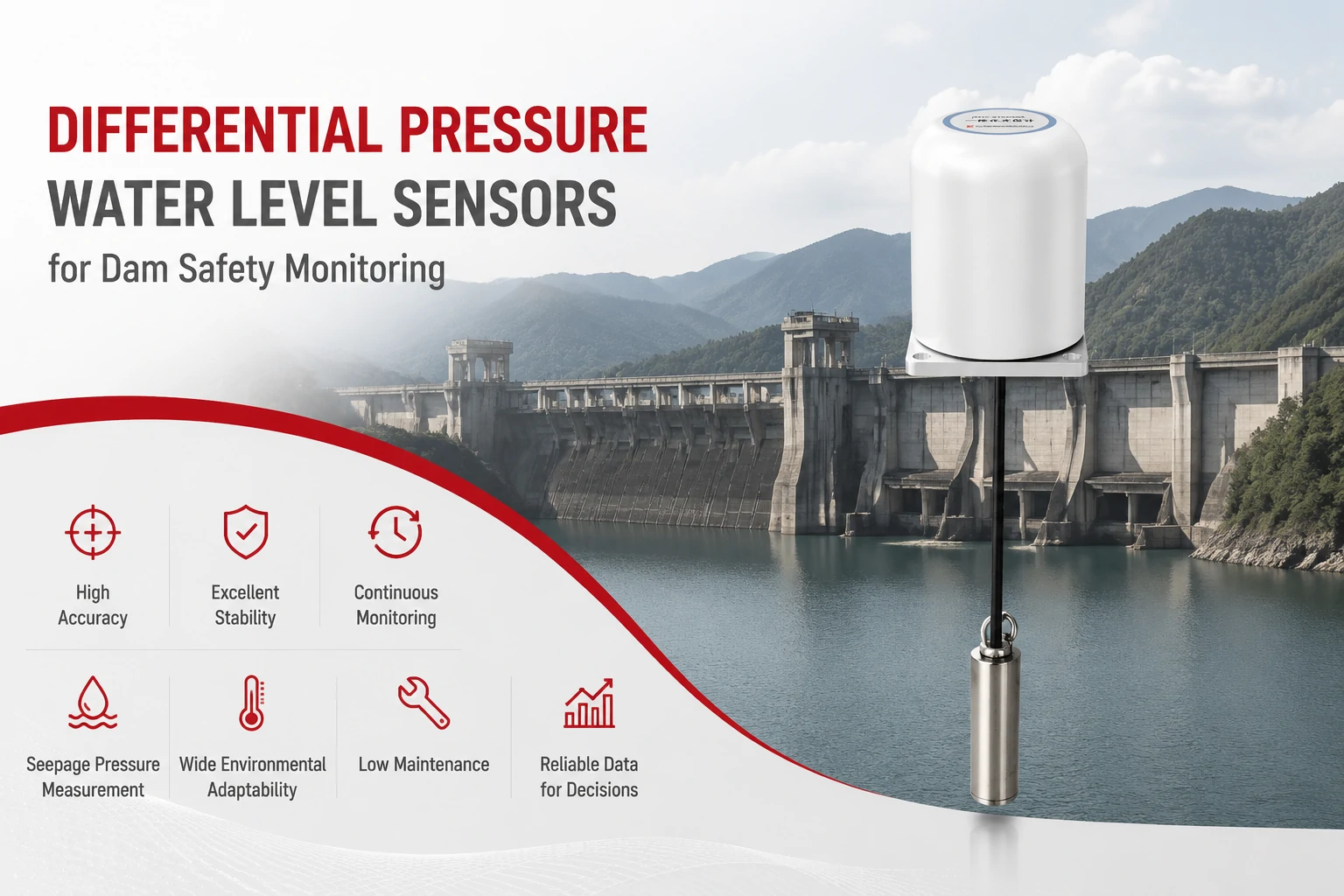
Key Takeaways The strongest fit is usually a confined, submerged, or s...
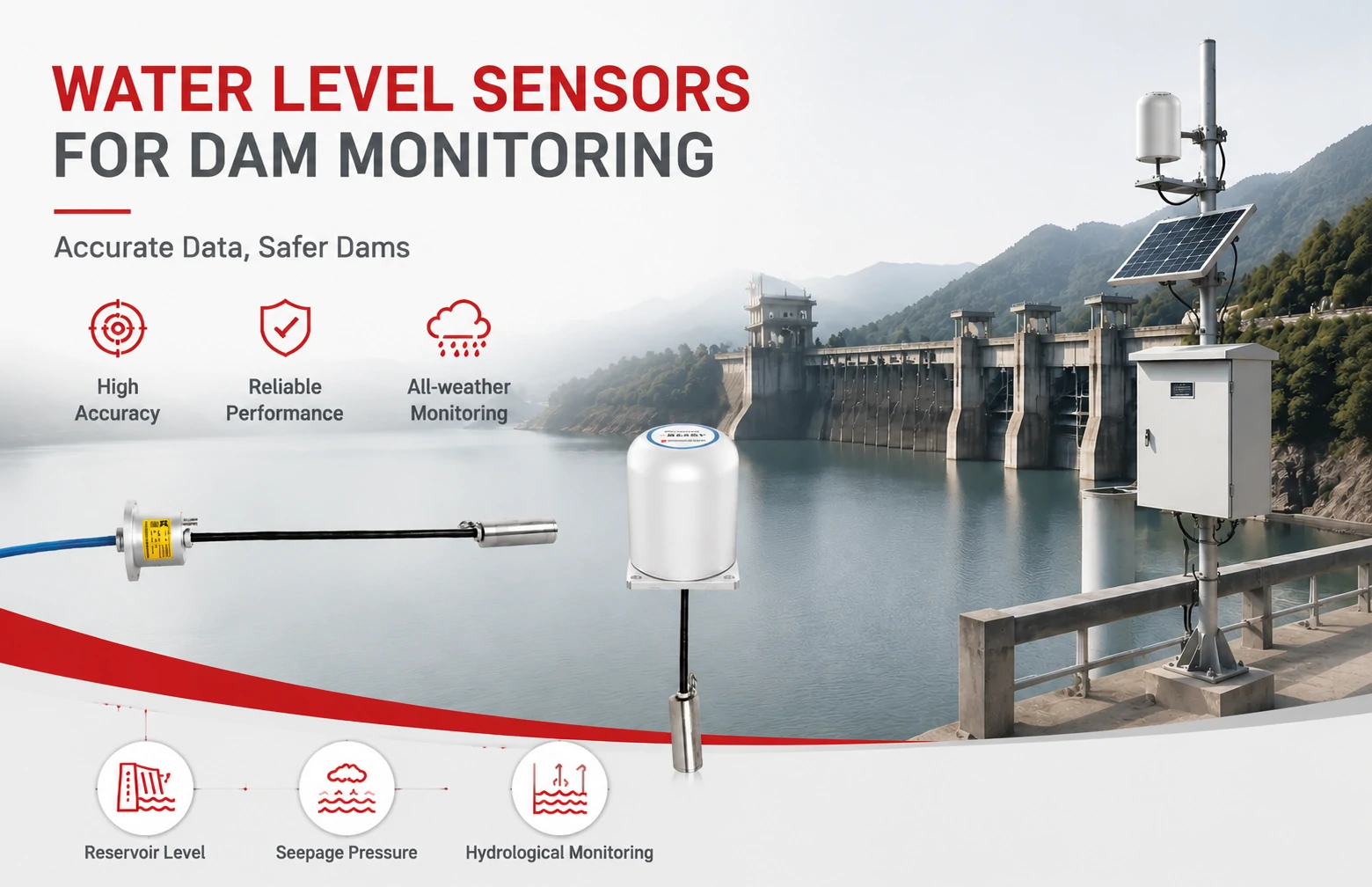
Kingmach Water Level Sensors for Dam Monitoring: A Buyer's Guide to Differential Pre...
Products
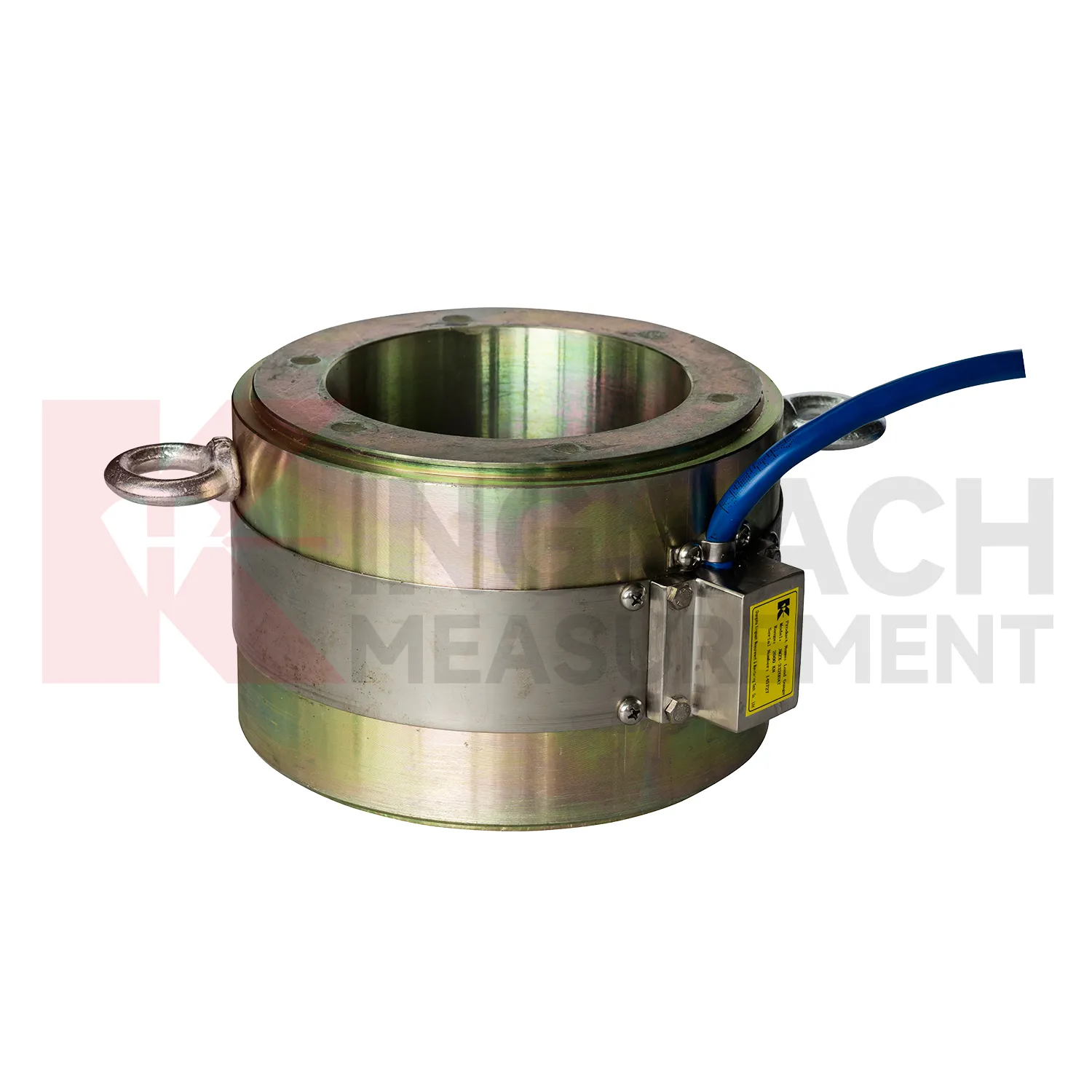
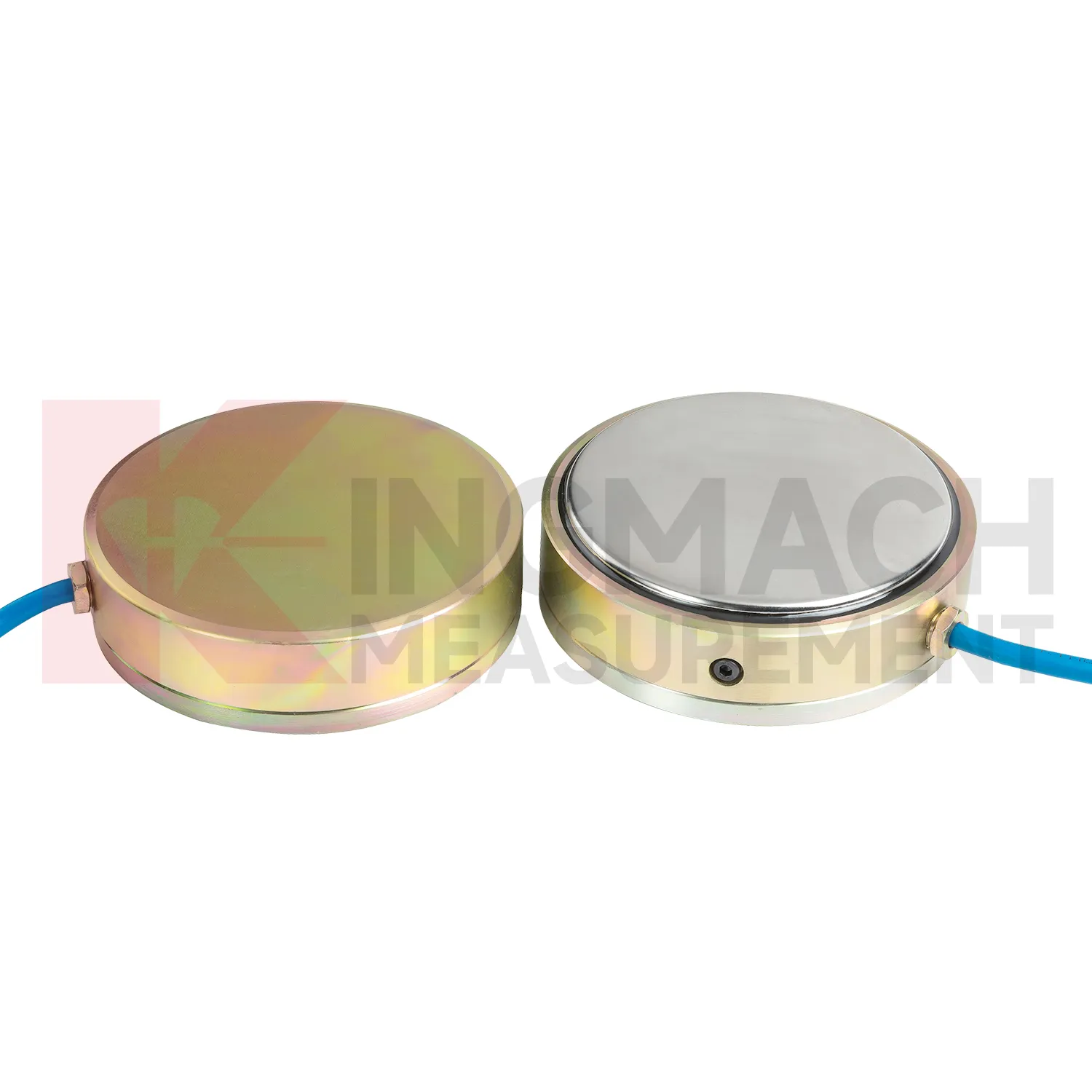
Earth Pressure Cell ( VW & Smart Type) JMZX-50XXAT/ ATM
View Details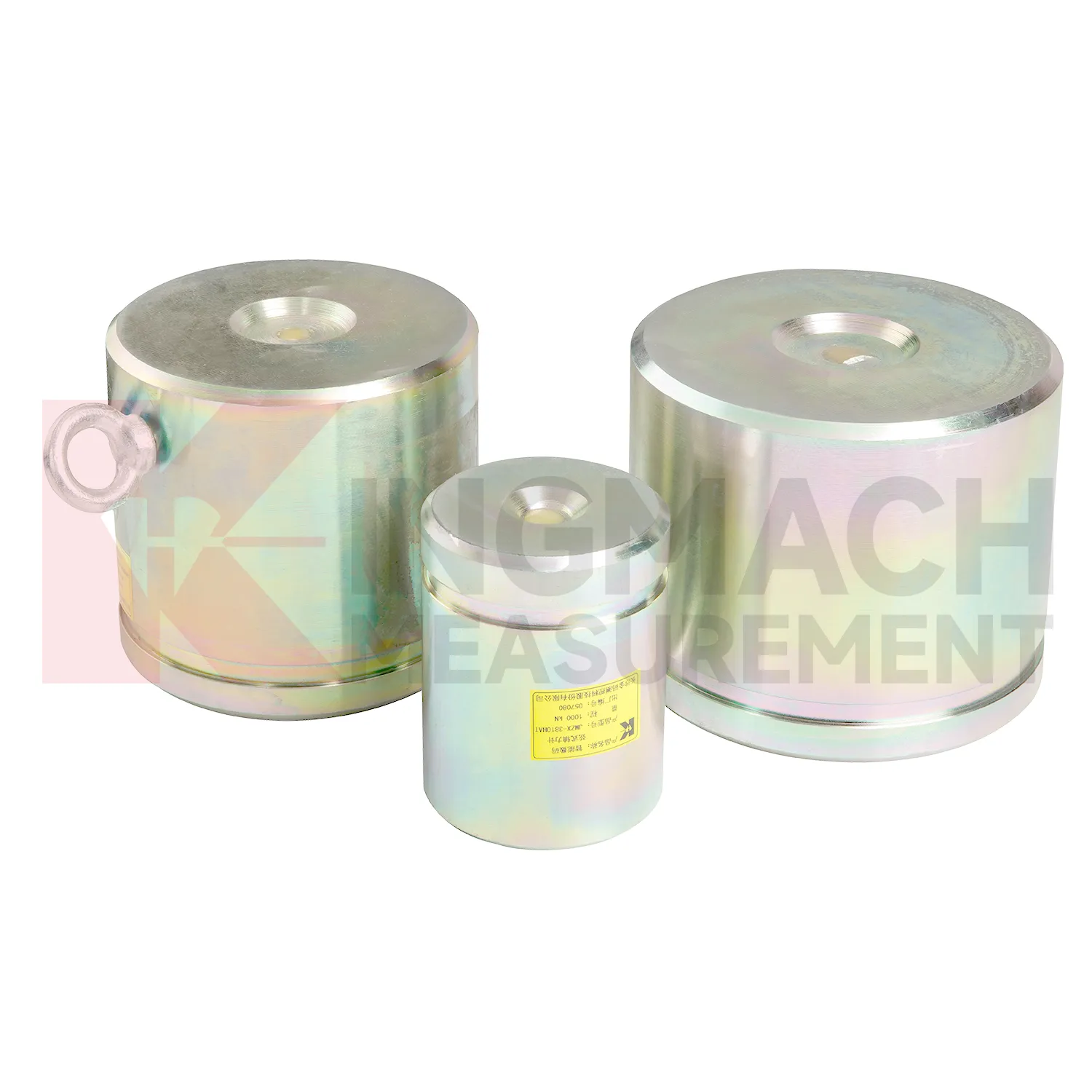
Axial Force Load Meter ( VW & Smart Type)JMZX-38XXHAT
View DetailsFAQ
The most useful information includes the load range you expect (maximum and working loads), the physical constraints of the installation (bolt pattern, clearance, expected borehole diameter if applicable), the output signal your logger accepts, and any environmental conditions like submersion, temperature swings, or chemical exposure. If you have a sketch or a photo of the mounting arrangement, that helps us suggest the right mechanical interface.
Not necessarily. We do have minimum order values that depend on the complexity of the customization, but we have produced small batches for specialized applications—for example, ten cells for a bridge bearing monitoring trial, or a single cell for a university research setup. We’ll be upfront about what makes economic sense based on the engineering work involved.
Yes, we integrate digital signal conditioning on request. The most common is RS485 with Modbus RTU, but we have also built load cells with CANopen output for integration into vehicle or crane monitoring systems. Just let us know which protocol your data acquisition runs on.
We focus on three things: the strain gauge bonding technique, the choice of materials, and the sealing method. Our vibrating wire load cells, for instance, are known in geotechnical circles for negligible zero drift over decades because the wire operates well below its elastic limit. For foil-based designs, we use proven temperature compensation and moisture barriers. Realistic long-term accuracy depends on installation quality too—we often include guidance on bedding and load distribution to avoid off-axis loading that shortens sensor life.
We diagnose remotely first—often the issue isn’t the sensor itself but a wiring fault or a data logger setting. If we confirm a manufacturing defect, we replace it at no cost. For installations where downtime is costly, we can typically ship a replacement within a week if the design is already on file.
Share your product type, target capacity, and application requirements. Our team can review the details and recommend a practical next step.
If you are interested in our products or want to become our partner.
Please leave your contact information, our team will contact you as soon as possible.
Mail: [email protected]
Contact Us: +8613808434127
Address: No. 188 Tongzipo West Rd, Changsha, Hunan, China