
 EN
EN
 ar
ar bg
bg hr
hr cs
cs da
da nl
nl fi
fi fr
fr de
de el
el hi
hi it
it ko
ko no
no pl
pl pt
pt ro
ro ru
ru es
es sv
sv tl
tl iw
iw id
id lv
lv lt
lt sr
sr sk
sk sl
sl uk
uk vi
vi et
et hu
hu th
th tr
tr fa
fa ms
ms hy
hy ka
ka ur
ur bn
bn mn
mn ta
ta kk
kk uz
uz ku
ku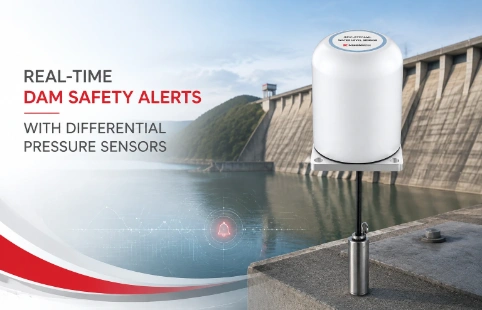
Real-Time Dam Safety Alerts with Differential Pressure Water Level Sensors
Key Takeaways An alert chain needs more than a sensor: define field in...

Calibration Load Cells That Hold the Line When It Counts
Most force measurements drift over time, and that's a quiet problem in labs and on production floors. A calibration load cell isn't just another sensor—it's the reference point other instruments are checked against. Kingmach builds these load cells with a focus on stability under real-world loading, so you get consistent readings month after month. Instead of treating accuracy as a spec sheet number, we look at how the sensor behaves through temperature shifts, eccentric loading, and repeated cycles. That matters in calibration labs where 0.05% deviation can throw off an entire test sequence. Our calibration load cells span a braod range of capacities, each one paired with careful temperature compensation and a signal output that integrates easily into digital acquisition systems. Whether you're verifying a tensile tester or building a force standard machine, the goal is the same: trust the number on your display.
Technical Detail
When you’re calibrating other force sensors, the load cell in your reference needs to be boringly predictable. That’s what Kingmach calibration load cells aim for. We manufacture them using alloy steel and stainless steel options, selected based on the environment—dry lab versus humid production zone. The strain gauge bonding and conditioning circuitry are tuned to minimize zero drift over time, a common headache in long-duration calibration runs. Multiple capacity ranges are available, typically from 1 kN up to 300 kN, with linearity errors held within tight bands. Rather than quoting a single accuracy figure, we provide detailed calibration data per sensor, so you know its behavior at different points in the range. Physical design also plays a role: integrated loading caps and a spherical seating surface reduce the effect of off-axis forces during static tests. Threaded mounting holes on both ends make inline installation simpler, whether you’re fitting the cell into a hydraulic press or a deadweight calibration machine. Beyond the sensor itself, Kingmach supports integration with digital indicators and data logging software, helping you build a complete traceability chain. For projects that need a custom form factor or an extended temperature range, we can adjust the mechanical and electrical details. The end result is a calibration load cell that doesn’t add uncertainty to your measurement chain—it just gives you a clean, repeatable signal.
News
Key Takeaways An alert chain needs more than a sensor: define field in...
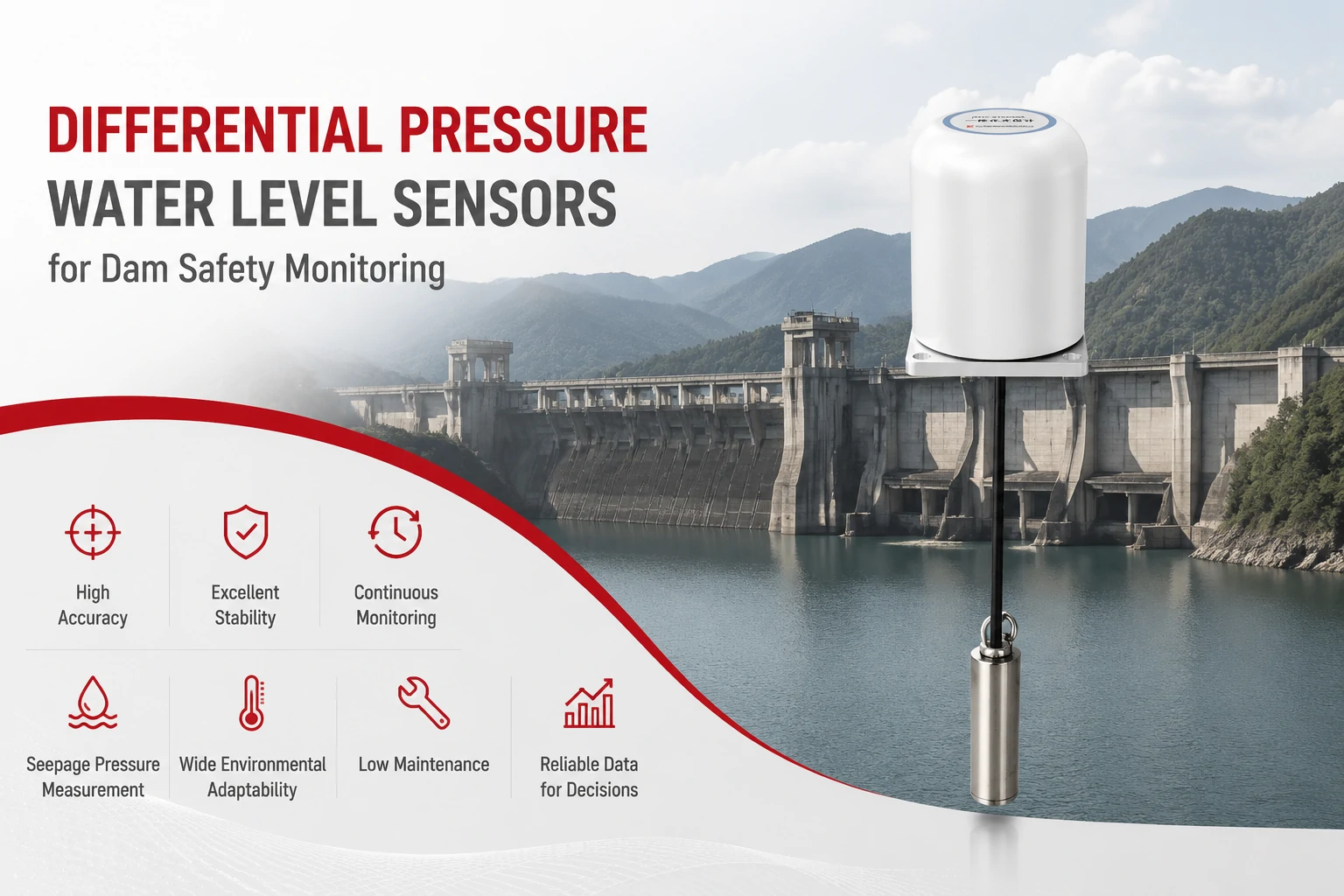
Key Takeaways The strongest fit is usually a confined, submerged, or s...
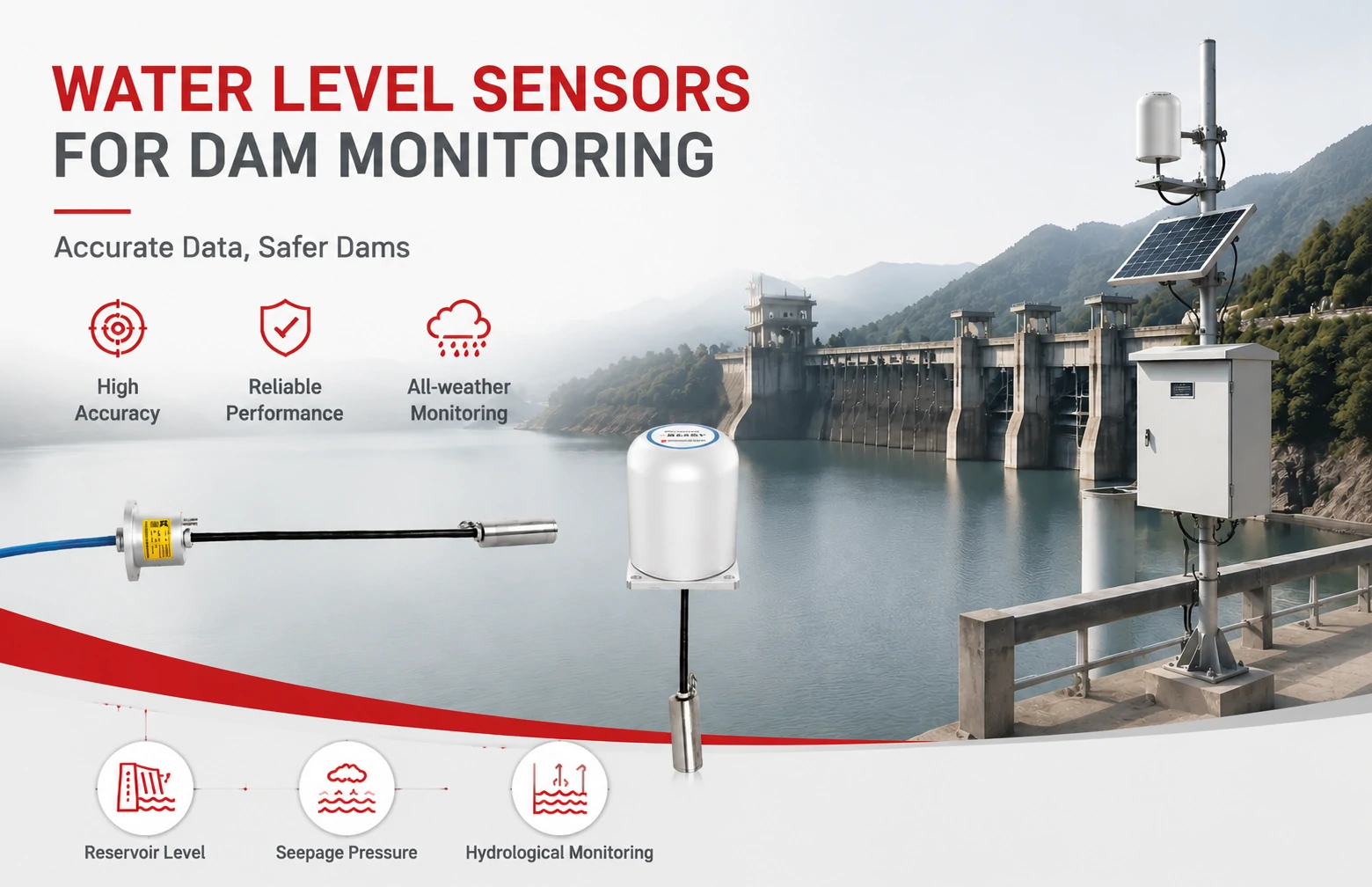
Kingmach Water Level Sensors for Dam Monitoring: A Buyer's Guide to Differential Pre...
Products
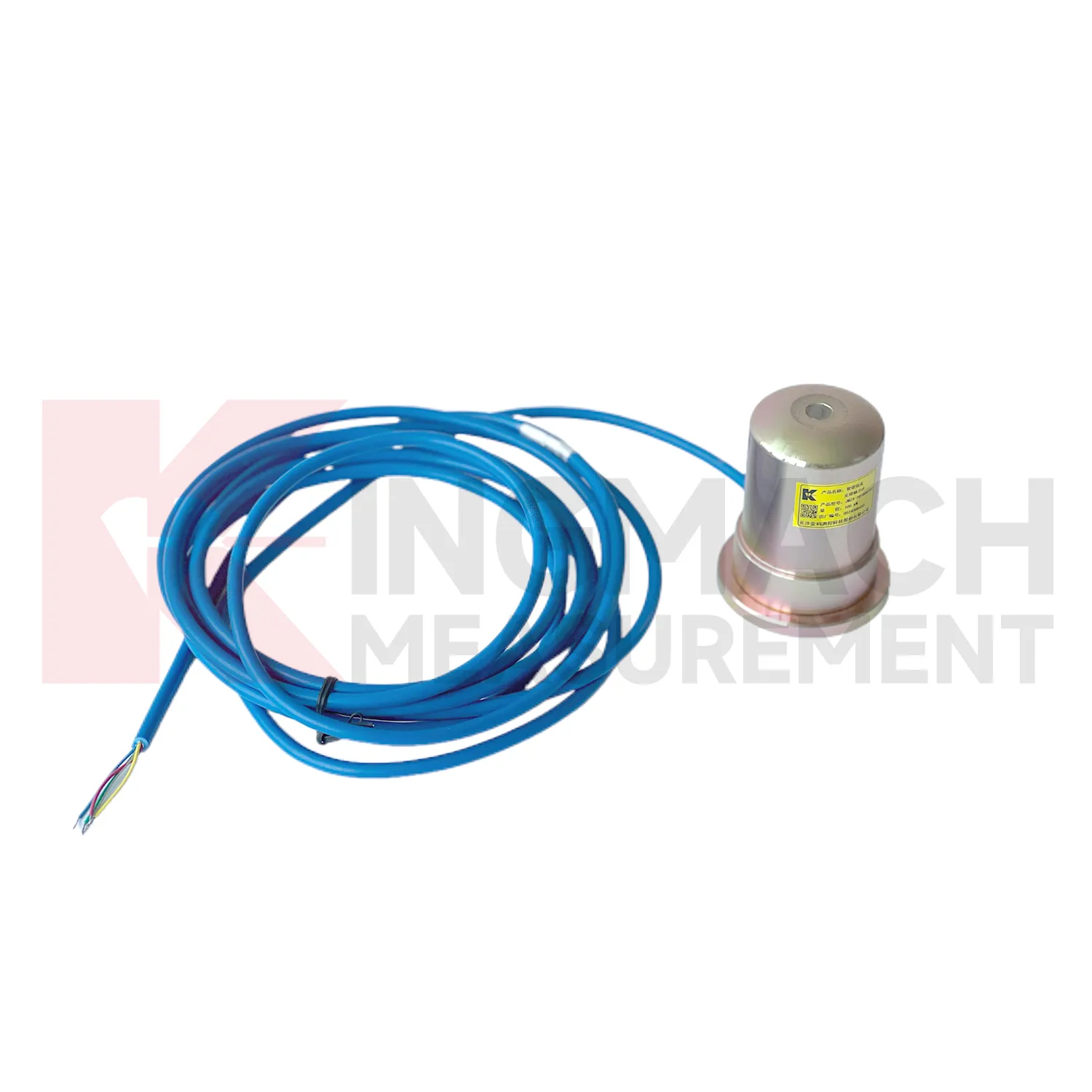
Smart Formwork Axial Force Meter(VW)JMZX-39XXHAT
View Details
Smart Vibrating Wire PiezometerSmart Piezometers (VW) JMZX-55XXHAT
View Details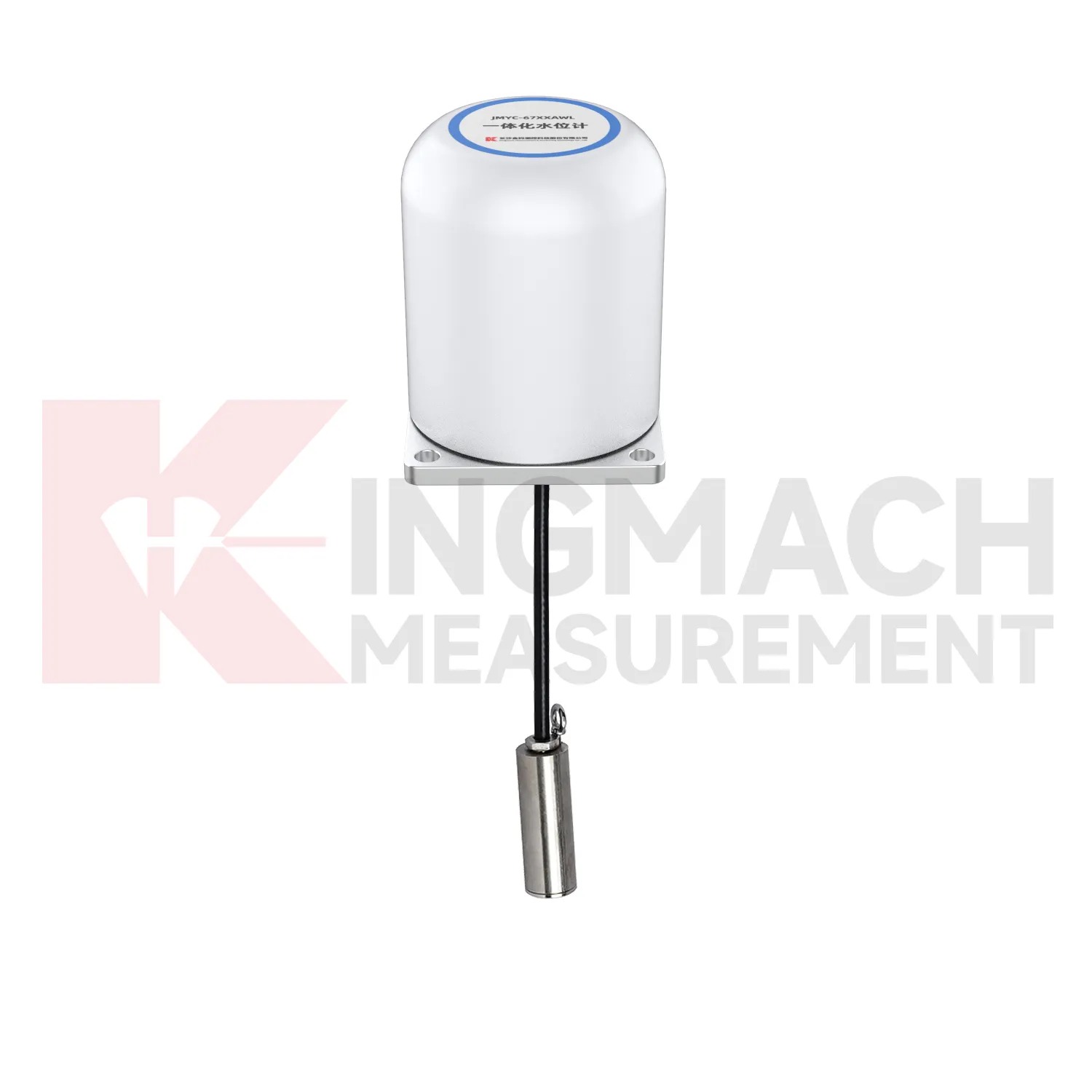
Integrated Wide-Range Differential Pressure Water Level Meter JMYC-67XXAWL
View DetailsFAQ
Most labs follow a 12-month cycle, but it depends on usage. If the cell sees high cycles or harsh conditions, shorter intervals make sense. Watch for zero drift or increased hysteresis between tests—those are signs it’s time to send it back for a check.
The main distinction is in documented performance and stability. Calibration-grade cells have tighter linearity specs, thorough temperature compensation, and they come with individual calibration certificates that are traceable to national standards. A general-purpose force sensor might be fine for process monitoring, but it lacks the certainty you need when calibrating other equipment.
Yes, many of our calibration load cells are designed for both directions. They usually have threads on both ends, so you can pull or push depending on your setup. Just be clear about your maximum tension and compression loads when specifying, so the cell is properly configured.
Temperature changes can cause zero shift and sensitivity drift. Our cells incorporate strain gauges and compensation networks that minimize this effect within a specified range. For the best results, allow the cell to stabilize in the testing environment and avoid sudden drafts or direct sunlight on the sensor body.
Most calibration load cells we produce deliver a strain gauge bridge output, typically 2 mV/V or 3 mV/V at rated capacity. This can be read by a high-precision digital indicator or DAQ system. If you need an amplified signal like 4-20 mA or 0-10 V, that can be arranged with an inline amplifier module.
Share your product type, target capacity, and application requirements. Our team can review the details and recommend a practical next step.
If you are interested in our products or want to become our partner.
Please leave your contact information, our team will contact you as soon as possible.
Mail: [email protected]
Contact Us: +8613808434127
Address: No. 188 Tongzipo West Rd, Changsha, Hunan, China