
 EN
EN
 ar
ar bg
bg hr
hr cs
cs da
da nl
nl fi
fi fr
fr de
de el
el hi
hi it
it ko
ko no
no pl
pl pt
pt ro
ro ru
ru es
es sv
sv tl
tl iw
iw id
id lv
lv lt
lt sr
sr sk
sk sl
sl uk
uk vi
vi et
et hu
hu th
th tr
tr fa
fa ms
ms hy
hy ka
ka ur
ur bn
bn mn
mn ta
ta kk
kk uz
uz ku
ku
Real-Time Dam Safety Alerts with Differential Pressure Water Level Sensors
Key Takeaways An alert chain needs more than a sensor: define field in...

Automation Load Cells That Cut Through Production Noise
Automated filling, sorting, and checkweighing lines live and die by one thing: clean weight data. When vibration from conveyors or sudden load changes creeps into the signal, you get false rejects, wasted product, and drifting zero points that maintenance can’t fix permanently. Kingmach builds automation load cells from the ground up for these environments. We skip the generic sensor designs and focus on mechanical decoupling and low‑pass digital filtering that make sense on a real factory floor. You won’t find inflated specs here—just cells that hold their calibration through shift after shift. And because every line has its own quirks, we keep a large component inventory and an engineering team that regularly modifies mounting geometries, cable exits, and output scaling. If your current cells are giving you a headache, let us know the weight range and operating environment—we likely have a drop‑in replacement or can design one without the usual long lead times.
Technical Detail
Most weighing problems in automated machinery boil down to three things: sensitivity to side loads, moisture ingress, and electrical noise that travels along the signal cable. Our automation load cells address these head‑on. The strain gauge area gets a double‑seal treatment—one at the element level and one at the enclosure—so condensation and washdowns won’t silently erode accuracy. We offer IP67 and IP68 protection as standard options, and the cable gland is sealed with an epoxy that survives thermal cycling better than standard compression fittings. On the electronics side, every cell outputs a rationalized signal (2 mV/V or 4‑20 mA are typical) so your PLC or panel meter sees a clean reading without needing a separate filter module. Capacities range from a few kilograms for small‑scale dosing up to several tons for silo and hopper applications, and we provide all‑stainless steel execution for food‑grade or corrosive settings. Where Kingmach stands out is how we handle the parts of a project that don’t fit a catalog. Many automation load cell suppliers only sell what’s on the shelf. We routinely modify bridge resistance to match legacy controllers, add custom calibration within a tighter window, or integrate the sensor into a larger weighing assembly with mounting plates and overload stops. Our distribution network spans Europe, Southeast Asia, and the Americas, so you’re not left waiting for factory support when a line goes down. If you’re designing a new machine, send us the target accuracy and footprint—we can pre‑configure cells with test reports before shipment so your commissioning team saves a day of trial and error.
News
Key Takeaways An alert chain needs more than a sensor: define field in...
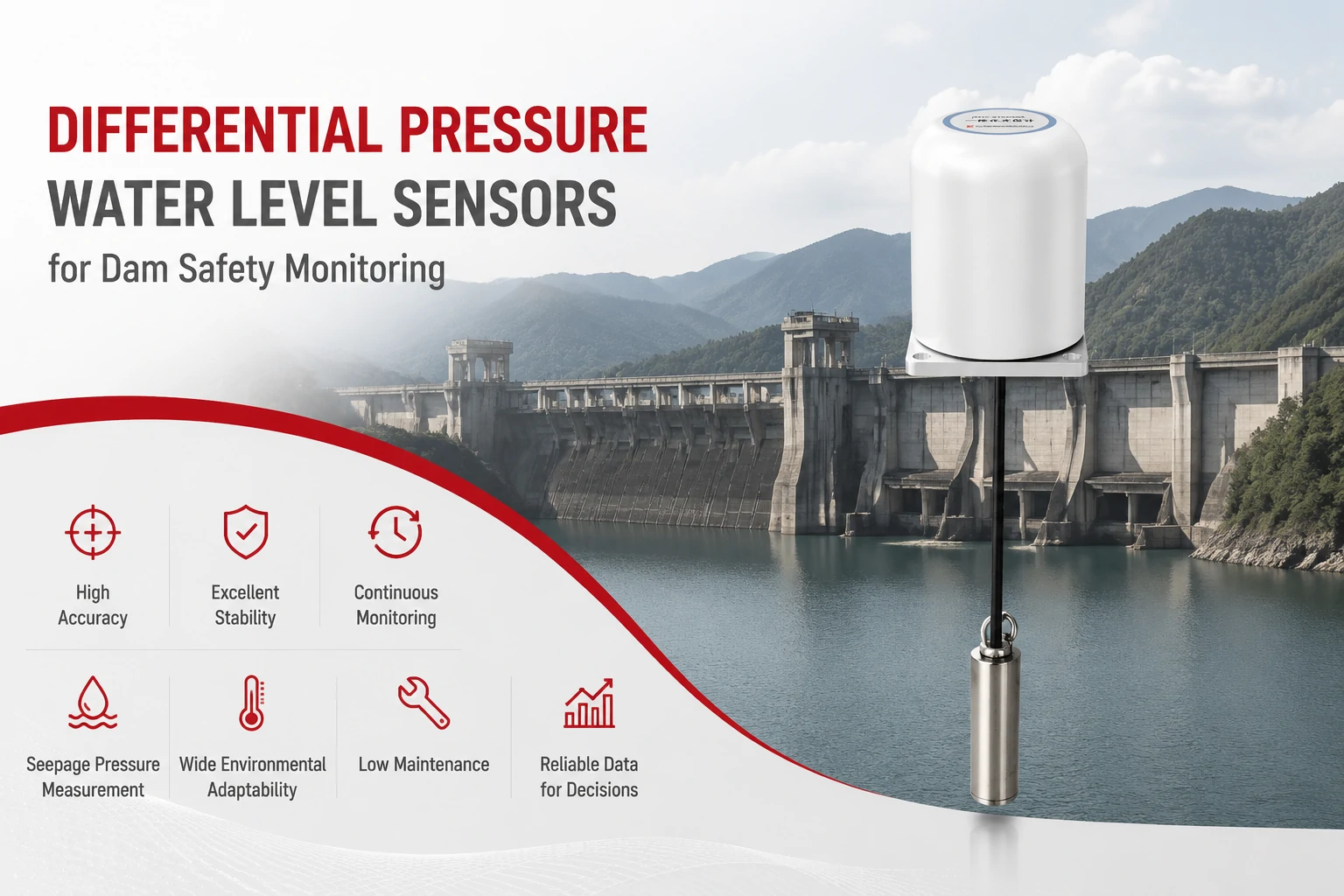
Key Takeaways The strongest fit is usually a confined, submerged, or s...
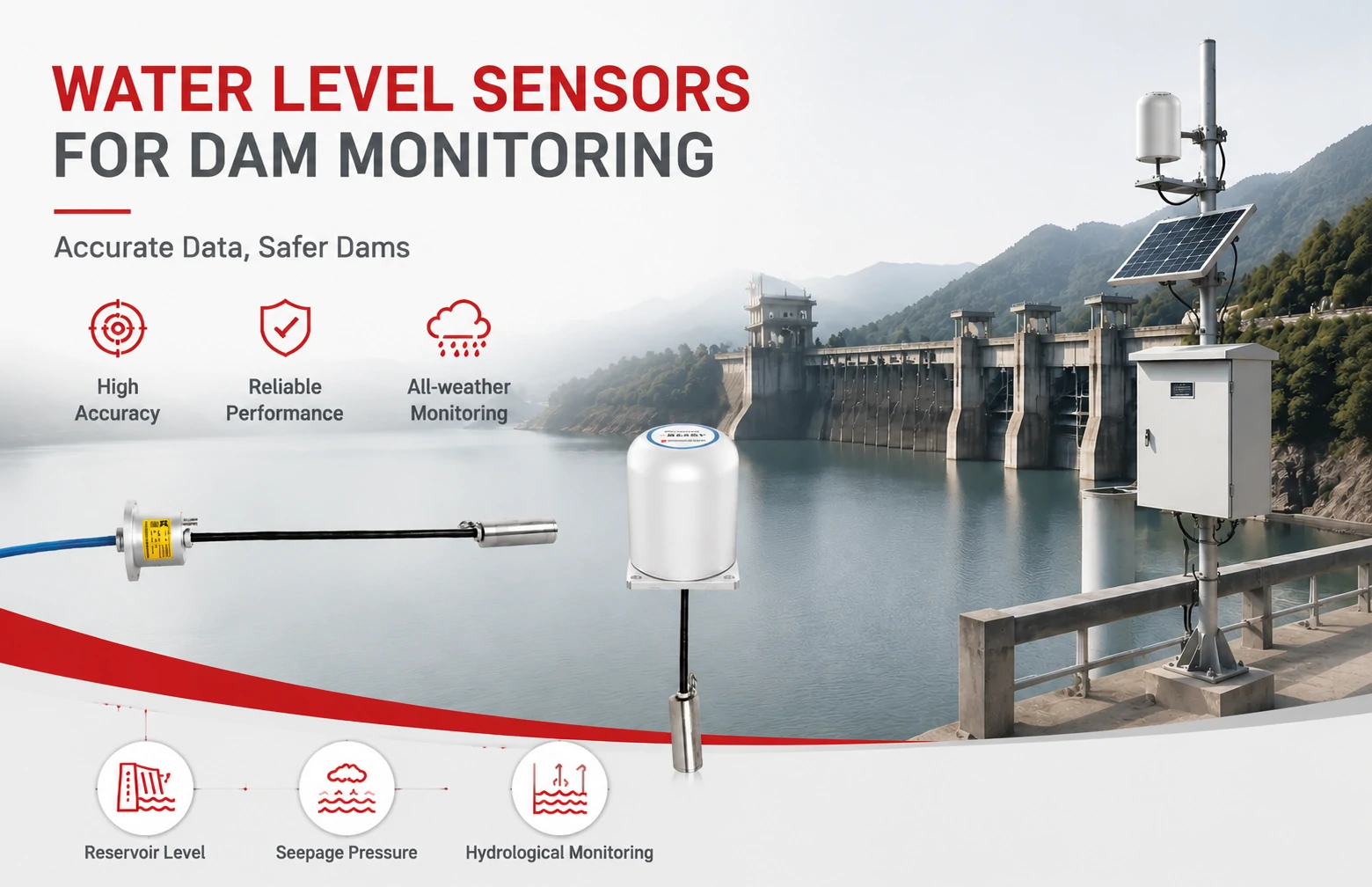
Kingmach Water Level Sensors for Dam Monitoring: A Buyer's Guide to Differential Pre...
Products
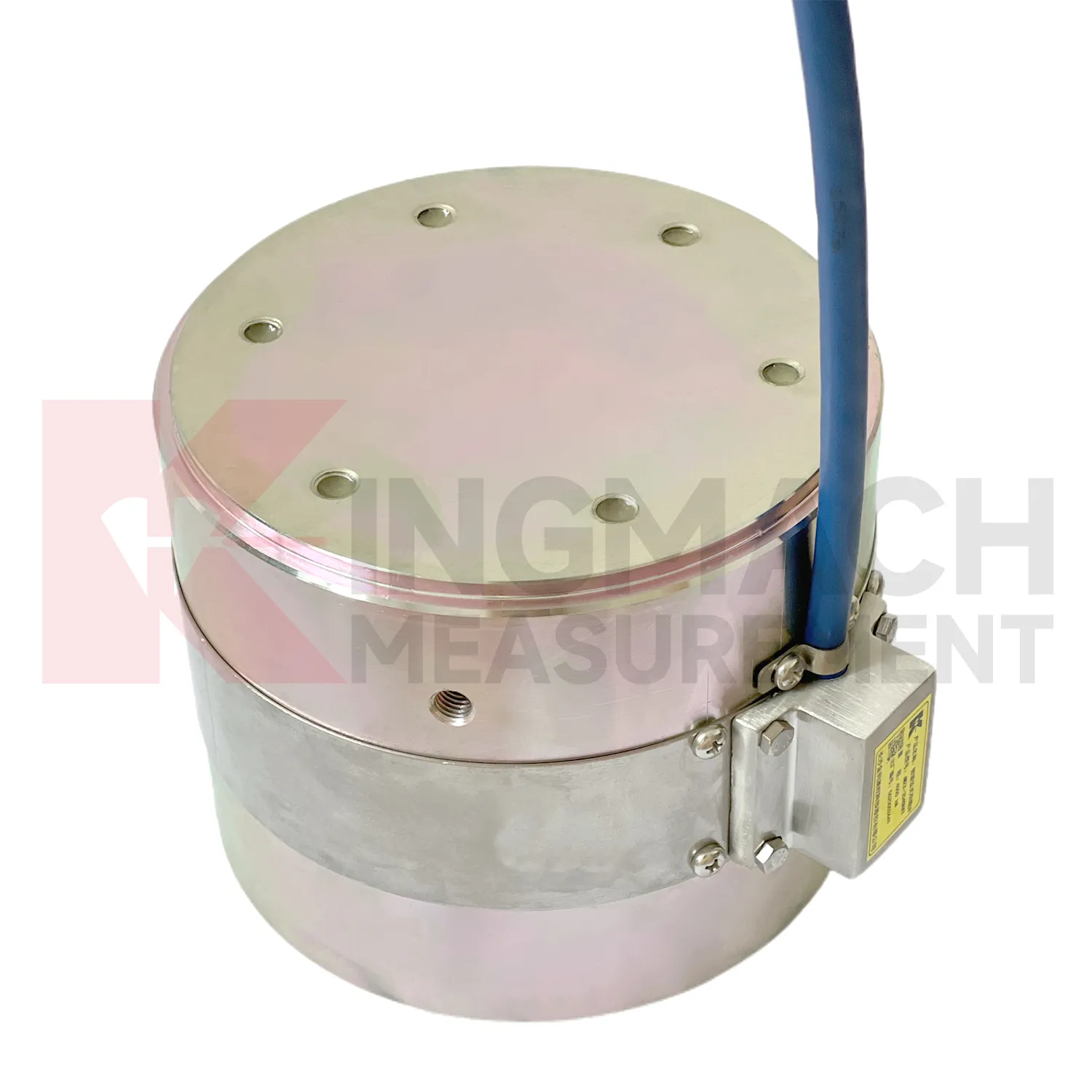
Solid load cell JMZX-34XXHAT、35XXHAT、36XXHAT
View Details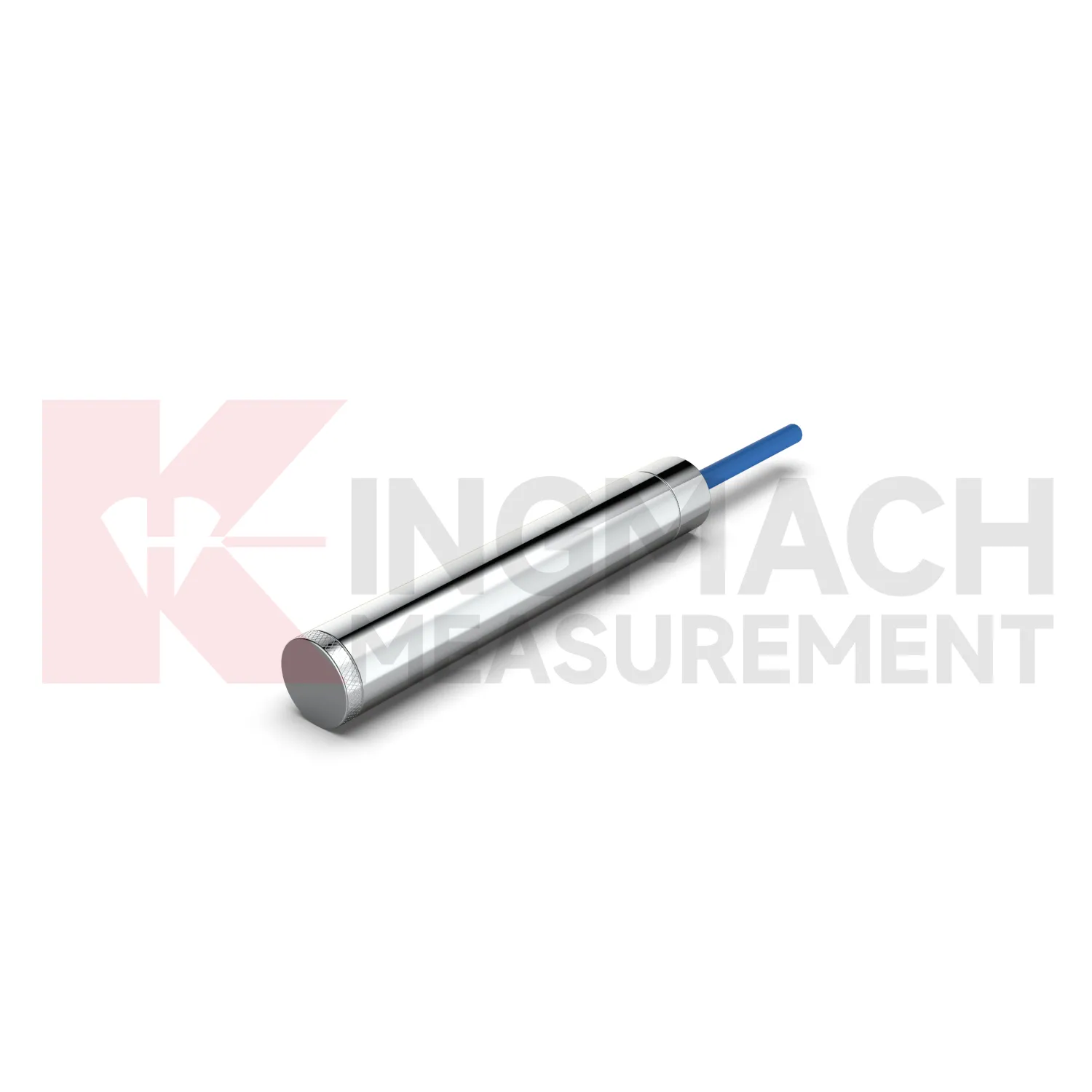
Smart Vibrating Wire PiezometerSmart Piezometers (VW) JMZX-55XXHAT
View Details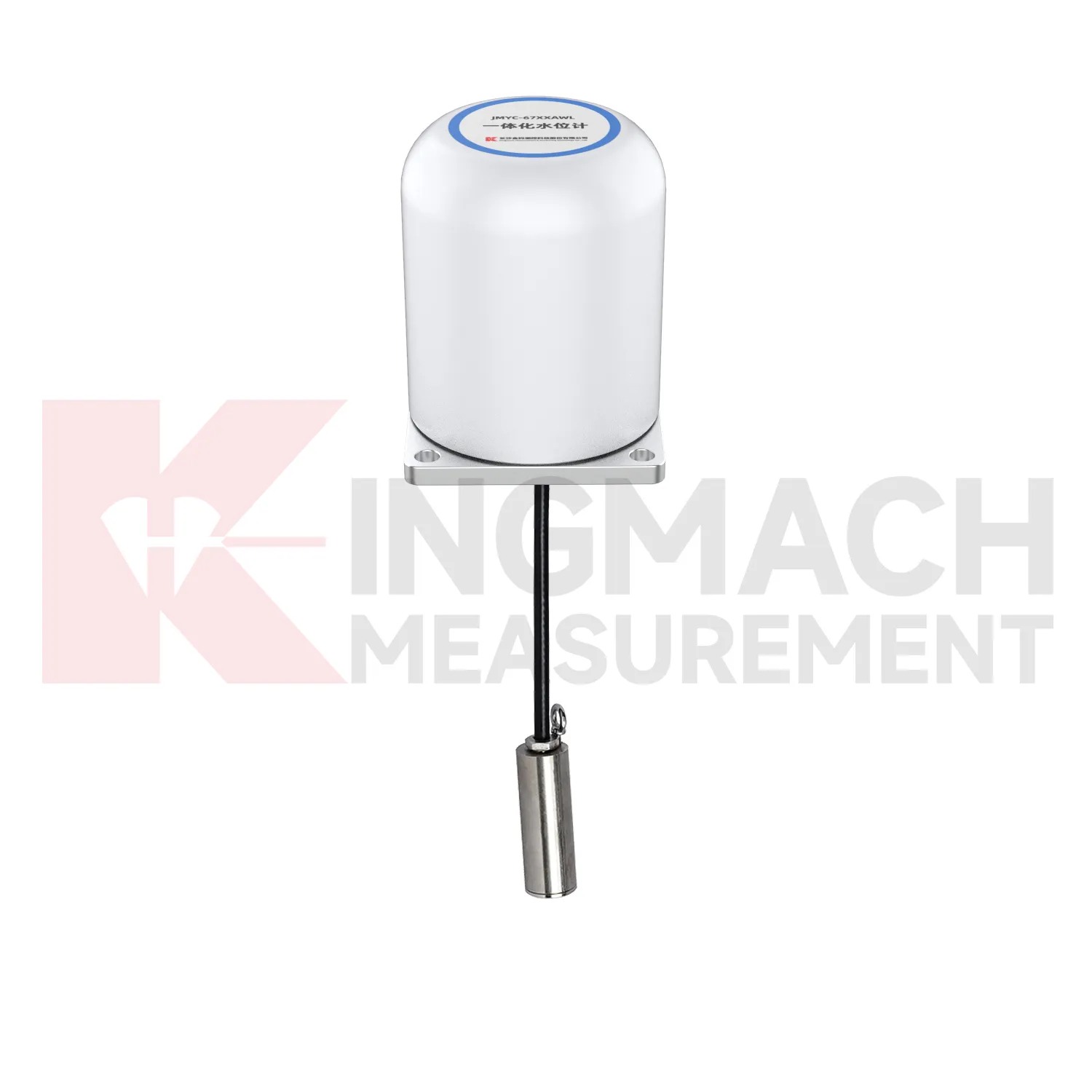
Integrated Wide-Range Differential Pressure Water Level Meter JMYC-67XXAWL
View DetailsFAQ
Look for a cell with very low deflection and a natural frequency well above the machine’s operating speed. Single‑point and double‑ended shear beam cells often work here because they tolerate off‑center loading while maintaining fast settling times. We frequently supply aluminum or stainless single‑point cells with a rated output trimmed to ±0.1% for this use.
In most cases, yes. We keep a library of common mounting patterns and can match or adapt the footprint to your existing brackets. If an exact match isn’t available, we can machine a custom base plate that bolts onto your machine without modification—just supply a simple sketch or a photo of the old cell with some dimensions.
The main enemy is moisture wicking through the cable or past the cover. We use Teflon‑jacketed cables bonded into the body with an epoxy that swells slightly when cured, creating a compression seal. Combined with venting through a Gore‑Tex plug on higher‑range cells, the zero point stays stable even after repeated hot water spray. We also run a 24‑hour soak test on random units before they leave the factory.
That’s a common request. We integrate a signal conditioner directly into the load cell housing or supply an inline amplifier module that converts the millivolt output to 0‑10 V or 4‑20 mA. The amplifier can be factory‑set to your required span, so you don’t need to adjust gain and offset on site.
We treat OEM builds like an engineering partnership, not a one‑time sale. You get a dedicated applications engineer who helps with pre‑production testing, creates installation guides specific to your machine, and holds safety stock in our warehouse so you don’t have to forecast exactly. After the first shipment, we’ll review field data with you if any drift trends appear and tweak the design accordingly.
Share your product type, target capacity, and application requirements. Our team can review the details and recommend a practical next step.
If you are interested in our products or want to become our partner.
Please leave your contact information, our team will contact you as soon as possible.
Mail: [email protected]
Contact Us: +8613808434127
Address: No. 188 Tongzipo West Rd, Changsha, Hunan, China