
 EN
EN
 ar
ar bg
bg hr
hr cs
cs da
da nl
nl fi
fi fr
fr de
de el
el hi
hi it
it ko
ko no
no pl
pl pt
pt ro
ro ru
ru es
es sv
sv tl
tl iw
iw id
id lv
lv lt
lt sr
sr sk
sk sl
sl uk
uk vi
vi et
et hu
hu th
th tr
tr fa
fa ms
ms hy
hy ka
ka ur
ur bn
bn mn
mn ta
ta kk
kk uz
uz ku
ku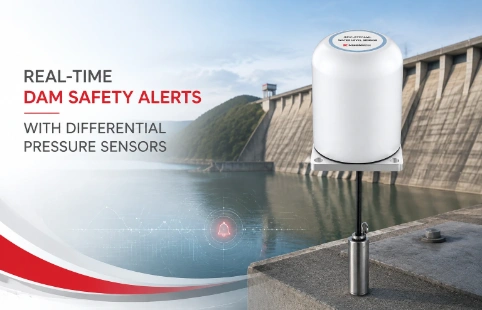
Real-Time Dam Safety Alerts with Differential Pressure Water Level Sensors
Key Takeaways An alert chain needs more than a sensor: define field in...

Vibration Signal Acquisition Module for Field Monitoring
Getting clean vibration data out of a construction site or a mine isn't as simple as plugging in a sensor. The Vibration Signal Acquisition Module has to handle everything from wide temperature swings to electrical noise, and still deliver numbers you can trust. Kingmach designs these modules with the understanding that every monitoring job brings its own set of challenges. You might need to capture low-frequency vibrations on a bridge one day, and high-frequency blasting signals the next. Off-the-shelf units often force you to work around their limitations. That’s why we focus on building modules that adapt to your sensors, your sampling requirements, and your data output preferences. We don’t just sell a box—we provide a signal chain that starts with understanding what you’re measuring. Our engineering team regularly works with geotechnical consultants to tweak input ranges, filter settings, and communication protocols. This means the module arrives configured for your specific application, not just with a generic firmware. With a global support network, we keep downtime short when questions come up in the field.
Technical Detail
Kingmach’s Vibration Signal Acquisition Module sits at the core of many geotechnical monitoring systems, converting raw sensor signals into actionable data. It’s built for versatility—common use cases include structural health monitoring, pile driving analysis, and seismic refraction surveys. The hardware supports IEPE accelerometers, geophones, and charge-output sensors. Input ranges are adjustable in software, so you can capture micro-strains or large shocks without swapping hardware. On the signal processing side, each channel includes programmable anti-aliasing filters and a 24-bit ADC. This combination helps maintain resolution even when cables run long in noisy industrial environments. Sampled data is timestamped using GPS or NTP, which matters when you’re correlating events across multiple locations. Output is flexible: you can stream data over Ethernet, store it on a local SD card, or push it to a cloud platform via cellular modem. Power options include 12V DC or solar-charged batteries, so remote deployments aren’t a headache. Unlike many instruments that lock you into a proprietary software ecosystem, our module gives you access to raw data streams. We work with third-party analysis tools like DASYLab and MATLAB, and we provide documentation that makes integration straightforward. If your project needs something nonstandard—say, a custom enclosure for a mine shaft or a specific communication protocol—Kingmach’s manufacturing flexibility comes into play. Our customers often start with a standard module and then request channel count modifications or sensor-specific conditioning circuits. Because we’re not a huge catalog house, these changes happen quickly. Every module undergoes a temperature cycling test and a vibration calibration before shipping, and we include a calibration certificate traceable to national standards. After delivery, technical support doesn’t end: our engineers are available for remote diagnostics and on-site commissioning when required.
News
Key Takeaways An alert chain needs more than a sensor: define field in...
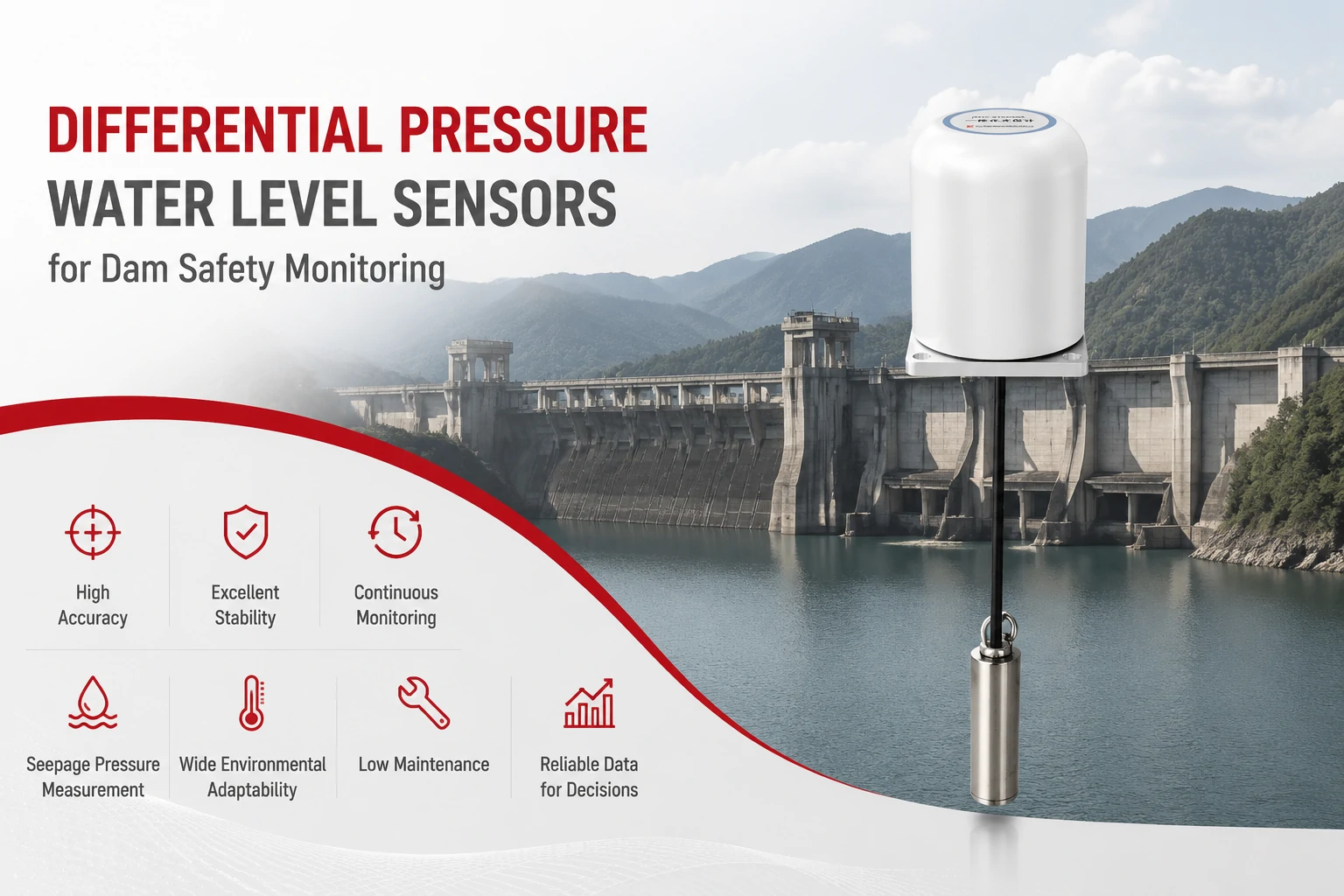
Key Takeaways The strongest fit is usually a confined, submerged, or s...
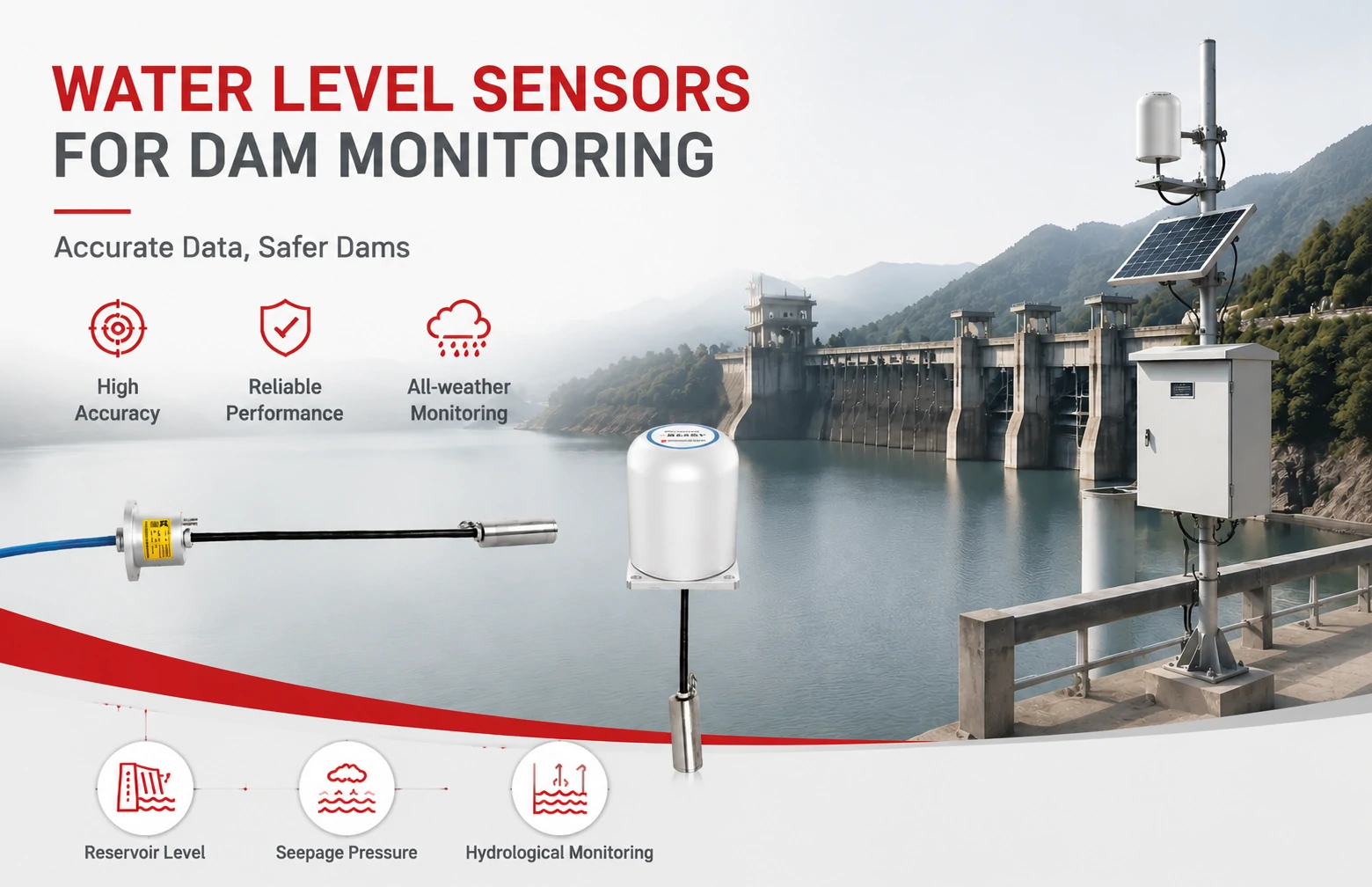
Kingmach Water Level Sensors for Dam Monitoring: A Buyer's Guide to Differential Pre...
Products
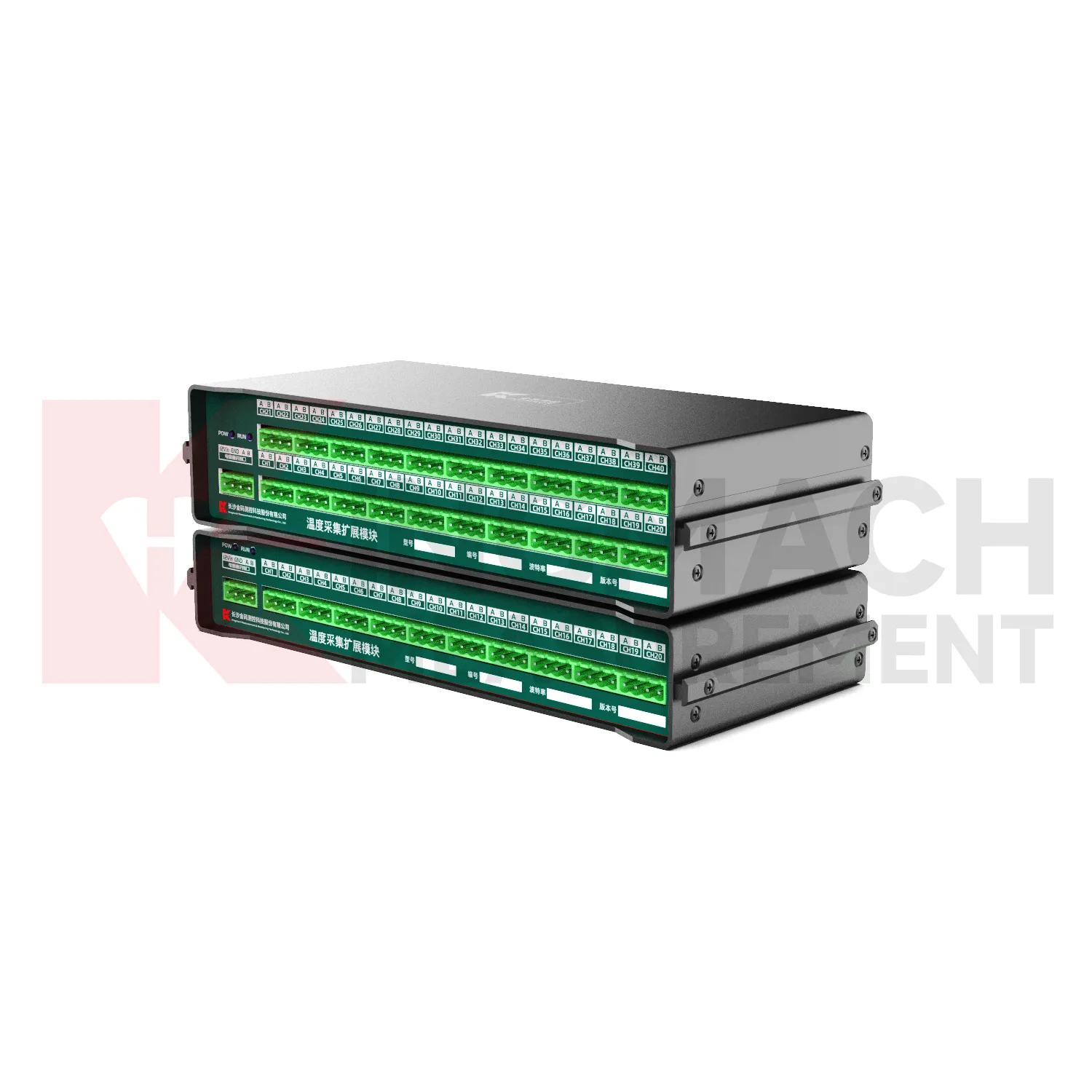
Temperature Acquisition Expansion Module JMWT-XXRTH
View Details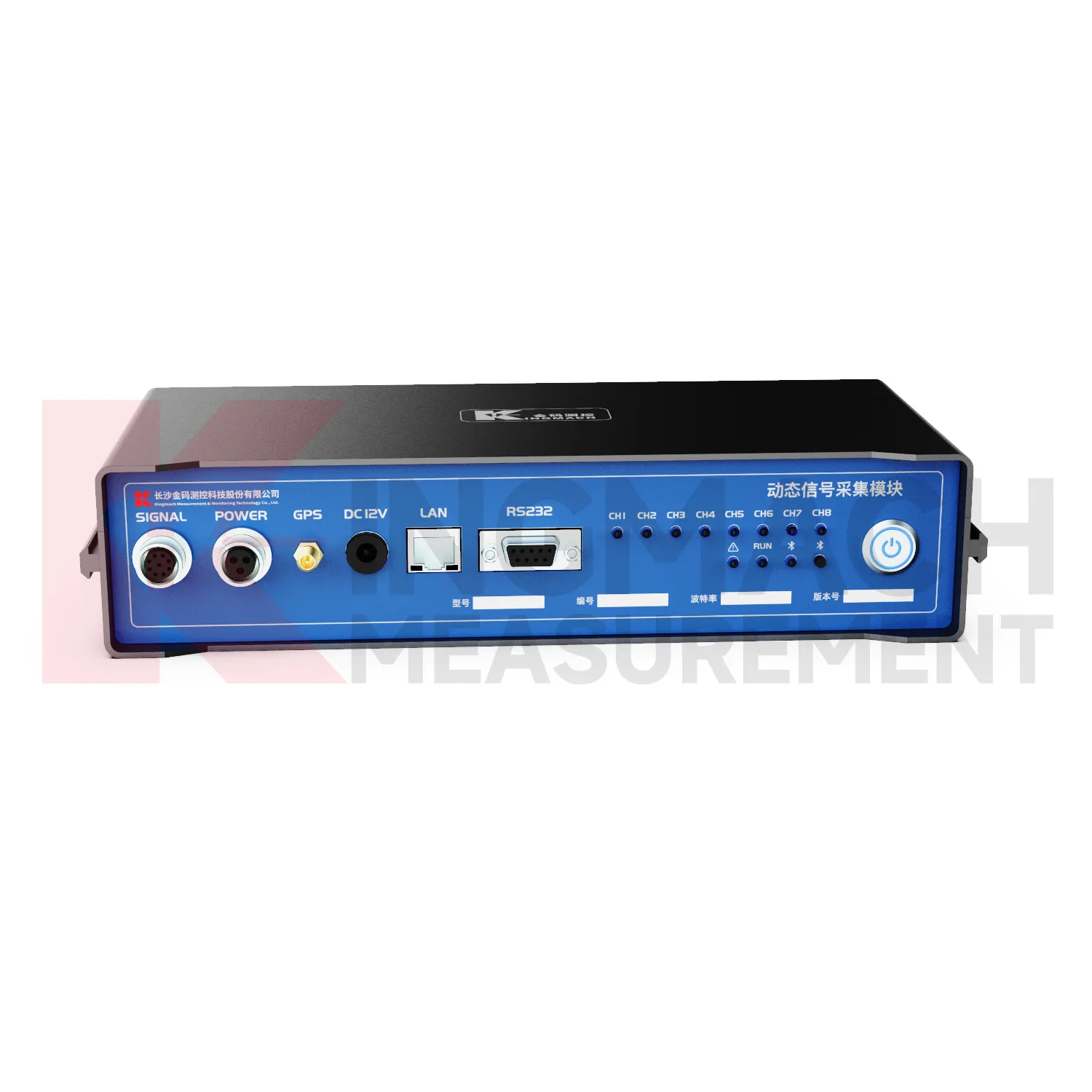
Dynamic signal acquisition module JMYD-1008XC
View Details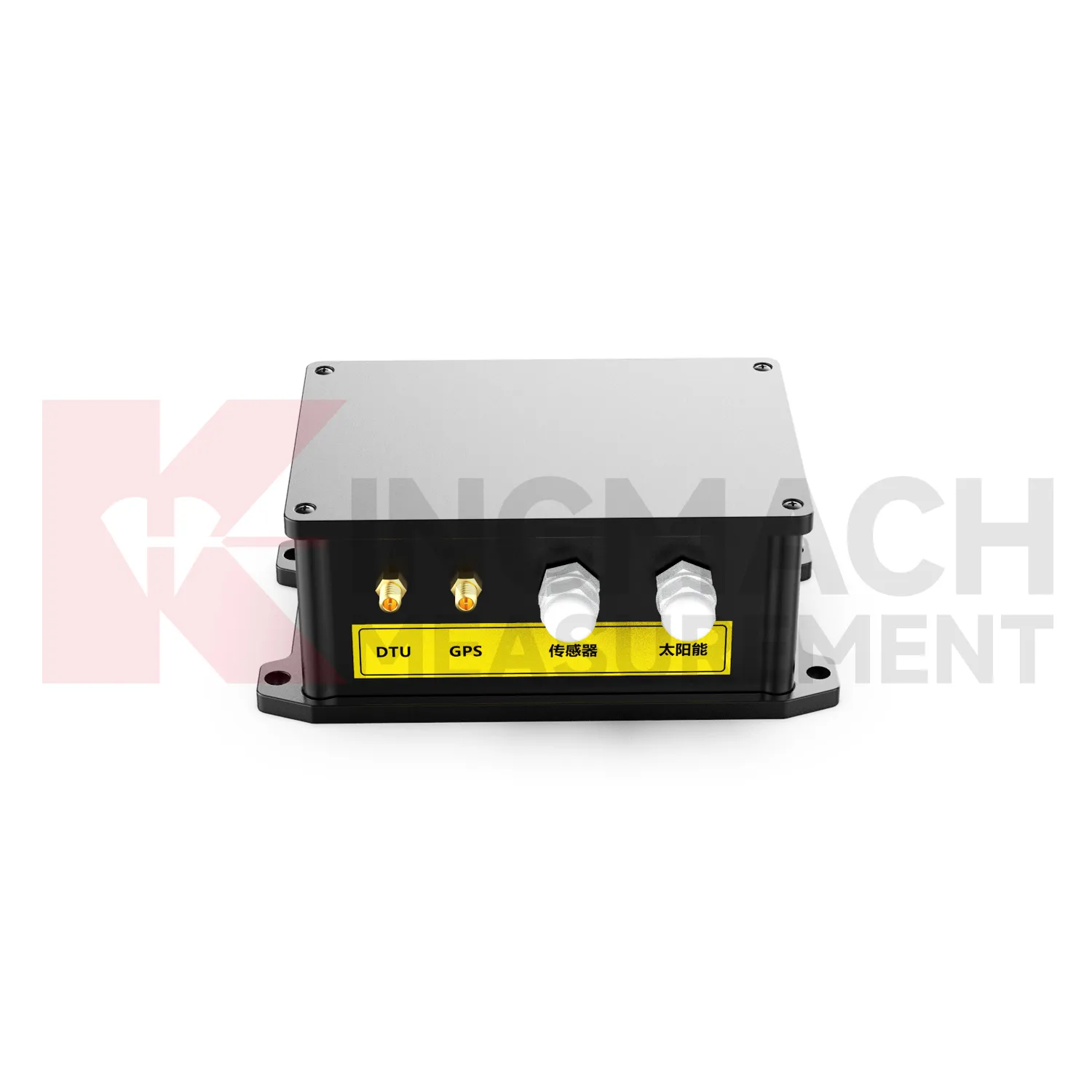
Wireless Data Logger (low power consumption design) JMWX-5RTU
View DetailsFAQ
Yes, the input stage is configurable for both voltage-mode IEPE accelerometers and passive geophones. You can mix sensor types across channels—no need for separate signal conditioners.
We typically configure modules for sampling rates up to 51.2 kHz per channel, but lower rates can be set in software if you’re only interested in low-frequency vibrations. The exact maximum depends on the number of active channels; ask our team for a timing sheet specific to your channel count.
It can output data via Modbus TCP if you’re integrating with a PLC, or we can set up a simple ASCII stream over serial. We also support MQTT for IoT platforms. Let us know what your existing SCADA system uses and we’ll tailor the communication protocol.
The module accepts 12V DC and draws under 5W typically, so a small solar panel and battery are enough for continuous operation. We can supply a weatherproof enclosure with the power management built in.
A standard module ships within two weeks. If you need modified input ranges or a different connector arrangement, add about three weeks for testing. Rush orders are possible depending on our work queue—just reach out early in your project planning.
Share your product type, target capacity, and application requirements. Our team can review the details and recommend a practical next step.
If you are interested in our products or want to become our partner.
Please leave your contact information, our team will contact you as soon as possible.
Mail: [email protected]
Contact Us: +8613808434127
Address: No. 188 Tongzipo West Rd, Changsha, Hunan, China