
 EN
EN
 ar
ar bg
bg hr
hr cs
cs da
da nl
nl fi
fi fr
fr de
de el
el hi
hi it
it ko
ko no
no pl
pl pt
pt ro
ro ru
ru es
es sv
sv tl
tl iw
iw id
id lv
lv lt
lt sr
sr sk
sk sl
sl uk
uk vi
vi et
et hu
hu th
th tr
tr fa
fa ms
ms hy
hy ka
ka ur
ur bn
bn mn
mn ta
ta kk
kk uz
uz ku
ku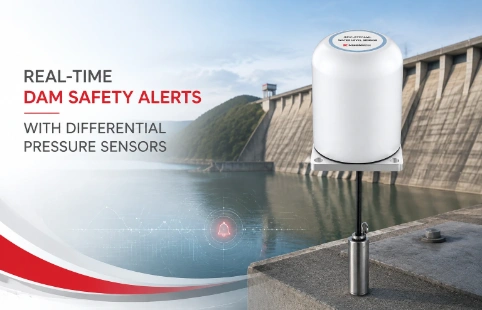
Real-Time Dam Safety Alerts with Differential Pressure Water Level Sensors
Key Takeaways An alert chain needs more than a sensor: define field in...

Traversing Inclinometer Systems for Deep Movement Tracking
Monitoring subsurface movement in dams, slopes, or deep excavations isn’t just about placing a sensor—it’s about trust in the data over years of operation. A traversing inclinometer that drifts or fails under tough site conditions can turn a safety measure into a liability. At Kingmach, we manufacture these systems with a focus on repeatable measurements and long-term reliability. Our approach avoids overcomplicating the setup: the probe is lowered into a dedicated casing, readings are taken at set intervals, and the cumulative deflection profile reveals what’s happening underground. This straightforward method, backed by careful manufacturing and calibration checks, gives engineers early warning of instability without unnecessary complexity.
Technical Detail
A traversing inclinometer typically consists of a probe, a cable reel, and a readout unit—plus the installed casing that guides the probe through the zone of interest. Kingmach's systems are built around this core configuration, with attention to the parts that matter most in the field. The probe itself uses dual-axis MEMS sensors, which help reduce cross-axis error and deliver stable readings even after repeated runs. The cable is marked at half‑metre or metre intervals and reinforced to resist kinking, a practical detail that matters when you’re working in a muddy trench or a cramped dam gallery. The readout unit stores multiple site profiles and can export data via USB, so you avoid transcription mistakes. Because every site has its own quirks—varying casing groove wear, temperature swings, borehole deviation—Kingmach offers calibration and service support through our global network, rather than treating the equipment as a one‑time purchase. Our manufacturing setup also allows adjustments to probe length, connector type, or cable length to match specific project requirements, whether it’s a shallow slope monitoring job or a deep excavation that needs a 100‑metre run.
News
Key Takeaways An alert chain needs more than a sensor: define field in...
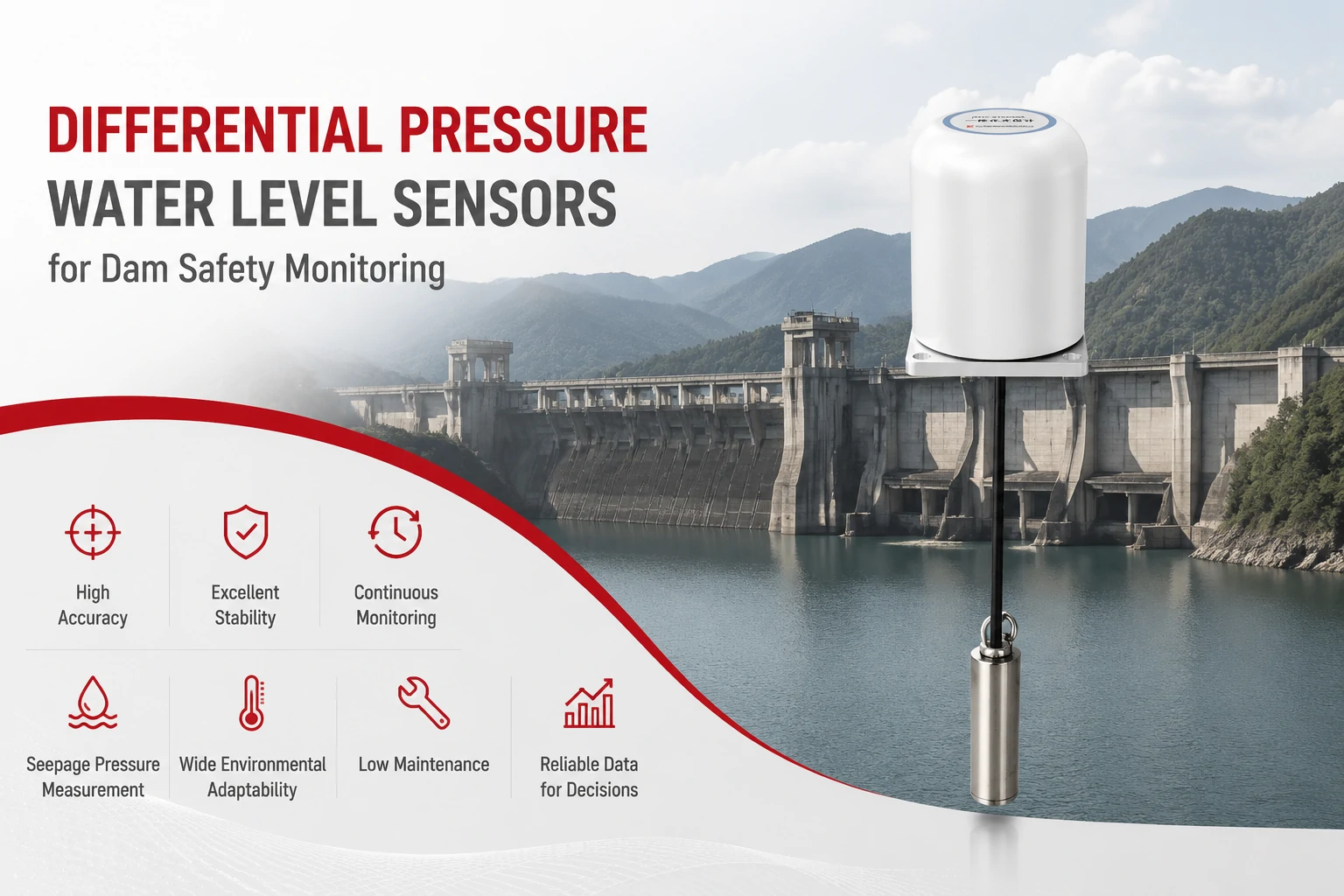
Key Takeaways The strongest fit is usually a confined, submerged, or s...
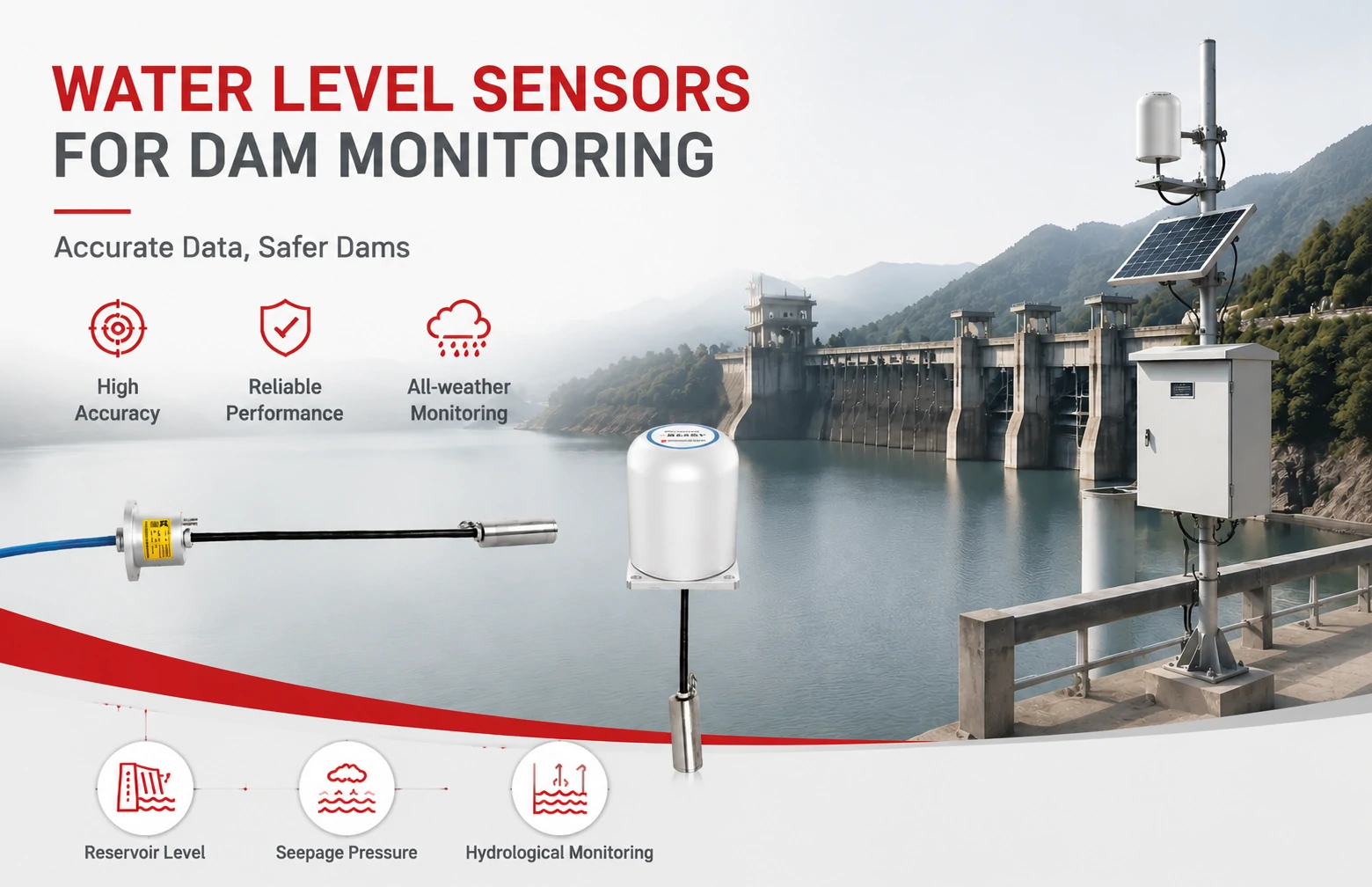
Kingmach Water Level Sensors for Dam Monitoring: A Buyer's Guide to Differential Pre...
Products
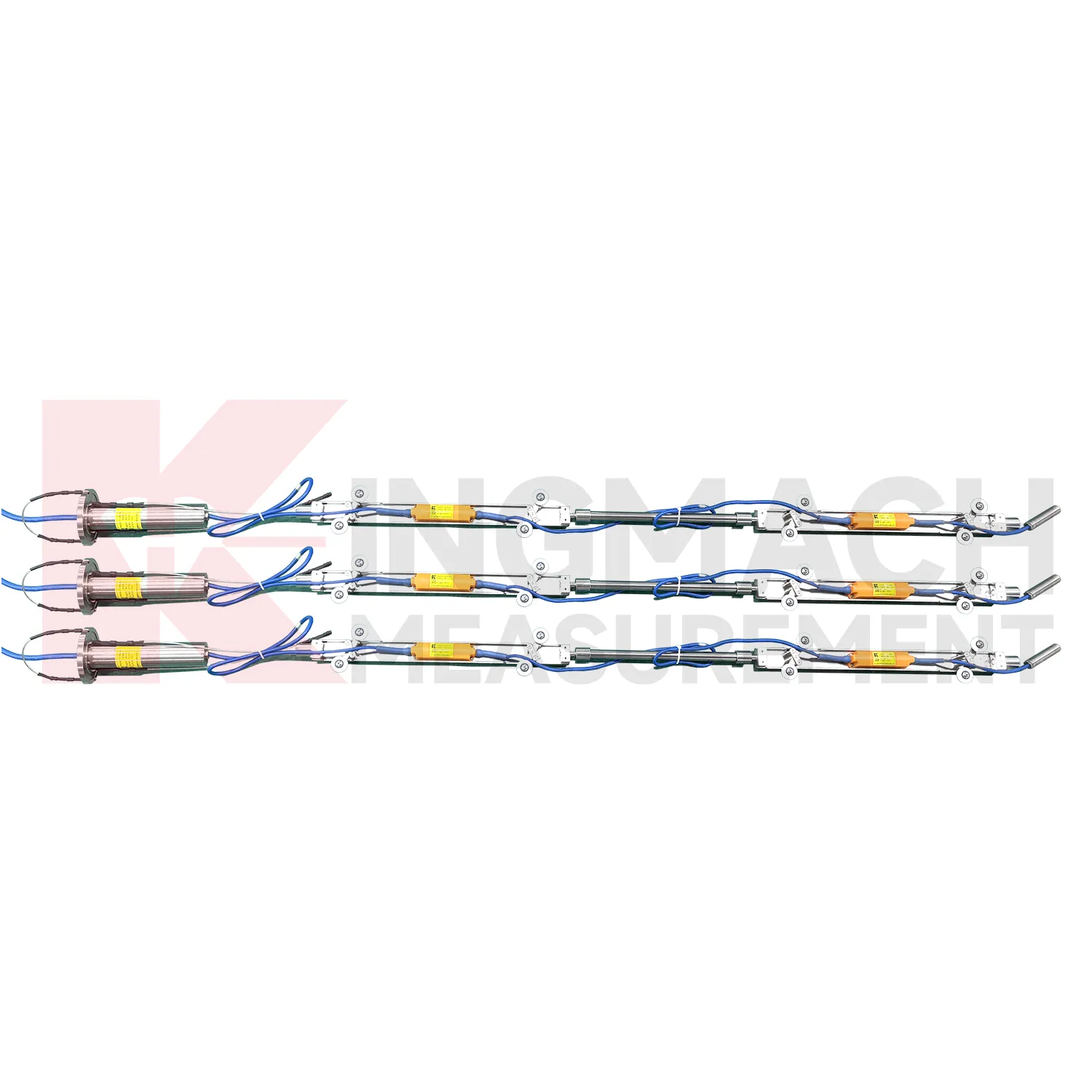
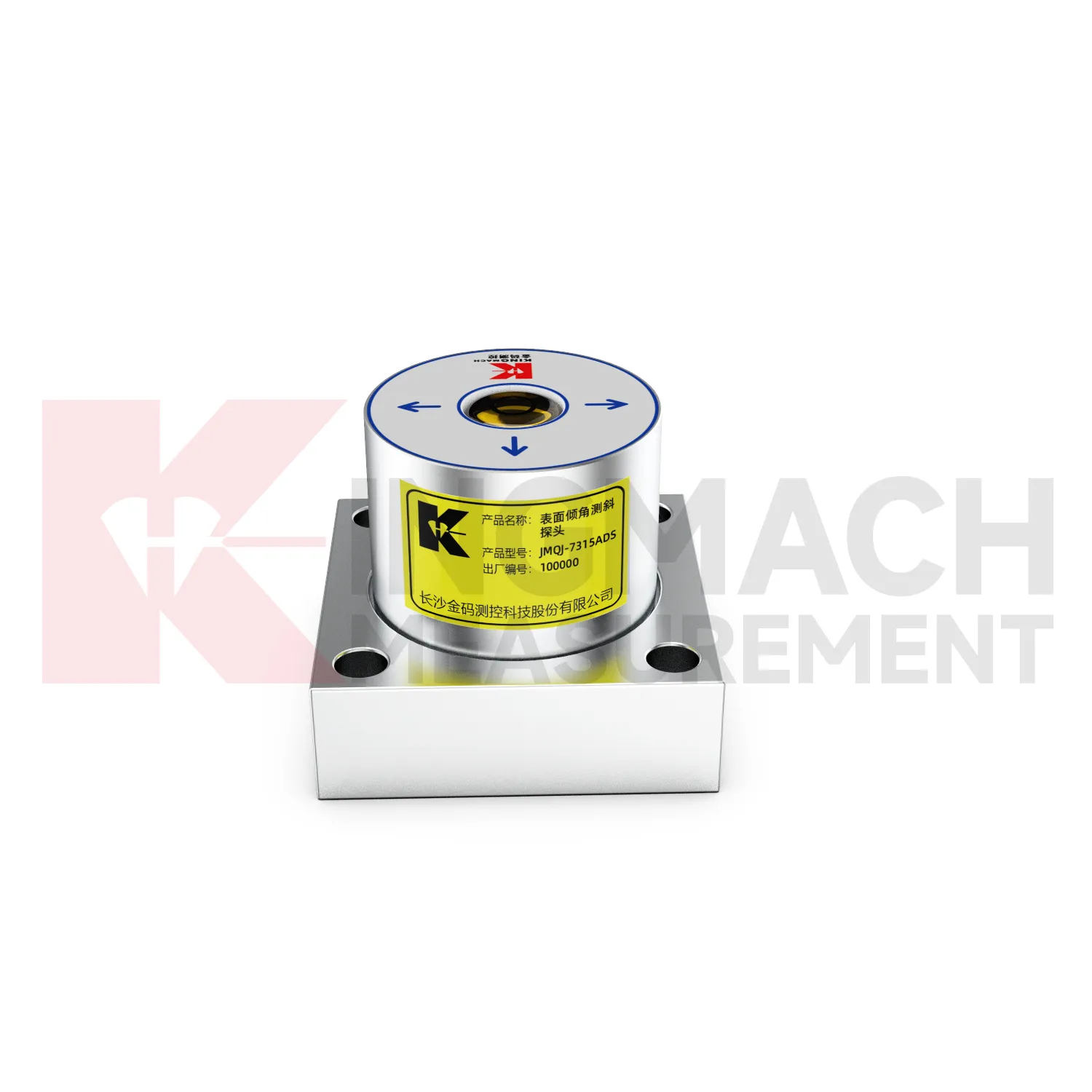
Vertical In-Place Inclinometer System JMQJ-7915ATS
View Details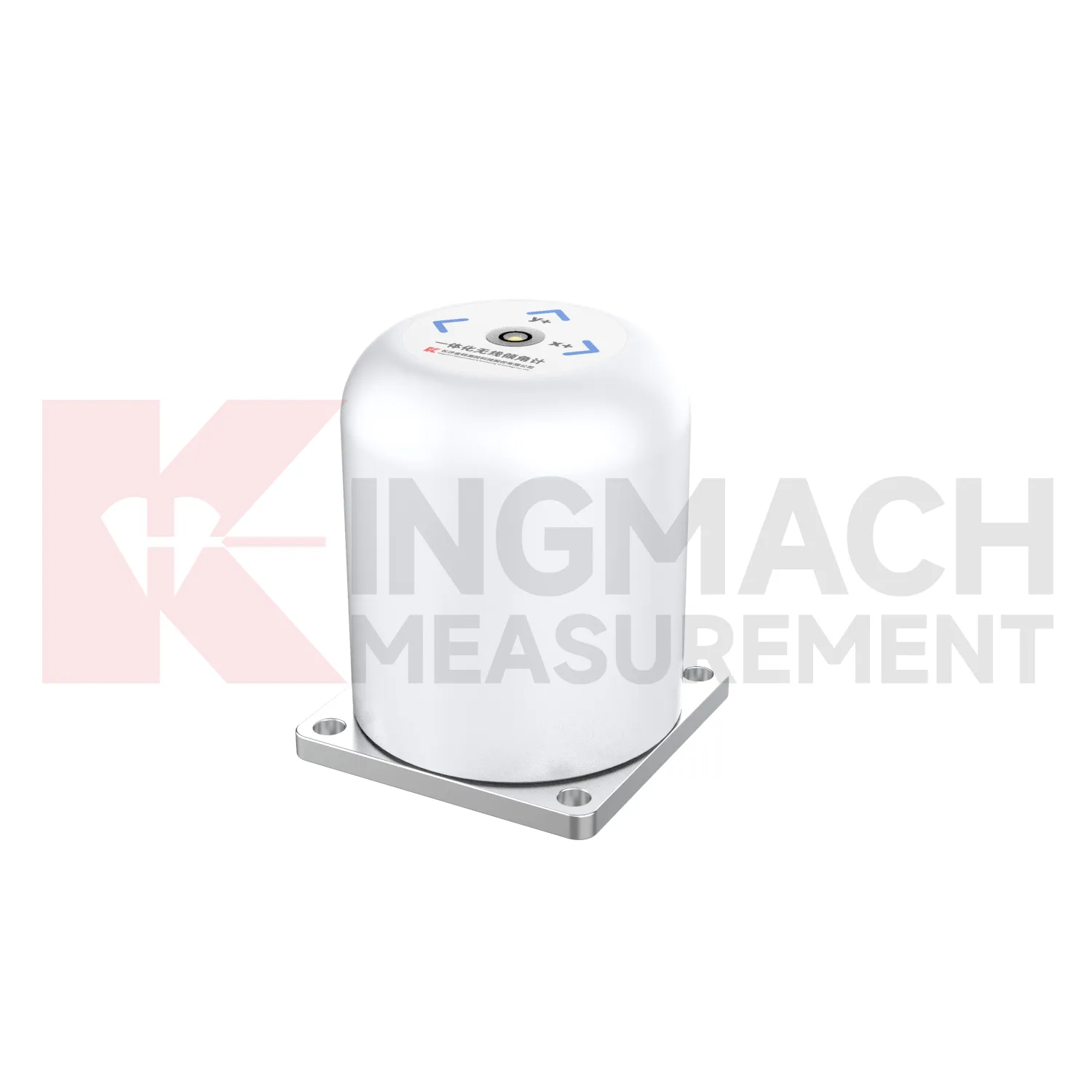
FAQ
A traversing inclinometer uses a single probe that you lower into the casing to take readings at many points, which gives you a full profile along the depth. Fixed‑in‑place units have sensors permanently installed at set depths, so they miss detail between those spots. Traversing systems are common for periodic checks where you want a complete picture, while fixed systems work better for continuous monitoring at known movement zones.
Most of the maintenance is about keeping the probe and cable connections clean and dry. After use in dirty water or fine silt, you’d rinse the probe, dry it, and check the cable jacket for cuts. Calibration should be checked against a known vertical reference periodically—how often depends on your site’s conditions and how much you rely on the data, but once or twice a year is typical for busy programs.
We recommend casings that match the groove dimensions our probe was designed for, usually the common 70 mm or 85 mm OD sizes with standard groove spacing. If you already have a different casing in place, we can check with you whether an adapter or probe modification is possible. Custom groove designs might need a short test run to confirm tracking stability.
Every order includes documentation on assembly, field use, and data processing. Our distributors can arrange online or on‑site training for installation and first readings. We also offer technical support by email or call, and we keep spare parts ready for common wear items like cable seals and probe springs.
It depends on the depth of interest and how you plan to collect data. If you need a detailed deflection shape every month or quarter across a long borehole, a traversing unit makes sense. If you only care about movement at one depth and want automatic alerts, a fixed sensor might be simpler. Reach out with your monitoring layout—we can help you compare the options without a hard sell.
Share your product type, target capacity, and application requirements. Our team can review the details and recommend a practical next step.
If you are interested in our products or want to become our partner.
Please leave your contact information, our team will contact you as soon as possible.
Mail: [email protected]
Contact Us: +8613808434127
Address: No. 188 Tongzipo West Rd, Changsha, Hunan, China