
 EN
EN
 ar
ar bg
bg hr
hr cs
cs da
da nl
nl fi
fi fr
fr de
de el
el hi
hi it
it ko
ko no
no pl
pl pt
pt ro
ro ru
ru es
es sv
sv tl
tl iw
iw id
id lv
lv lt
lt sr
sr sk
sk sl
sl uk
uk vi
vi et
et hu
hu th
th tr
tr fa
fa ms
ms hy
hy ka
ka ur
ur bn
bn mn
mn ta
ta kk
kk uz
uz ku
ku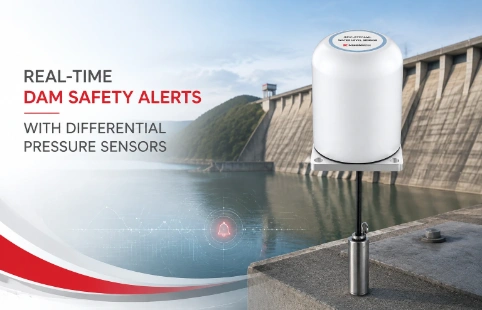
Real-Time Dam Safety Alerts with Differential Pressure Water Level Sensors
Key Takeaways An alert chain needs more than a sensor: define field in...

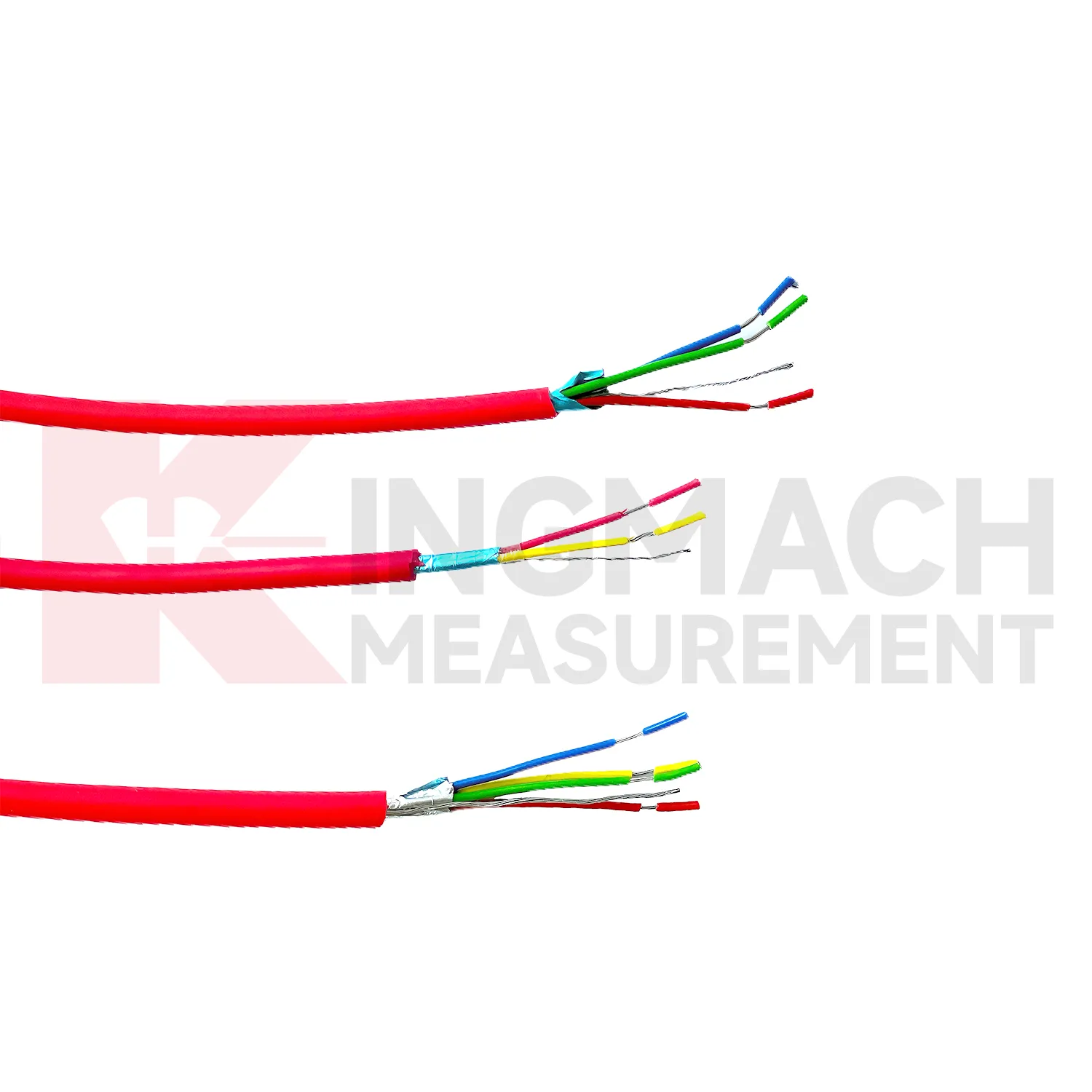
Multicore Cable That Holds Up in Wet, Rough Field Conditions
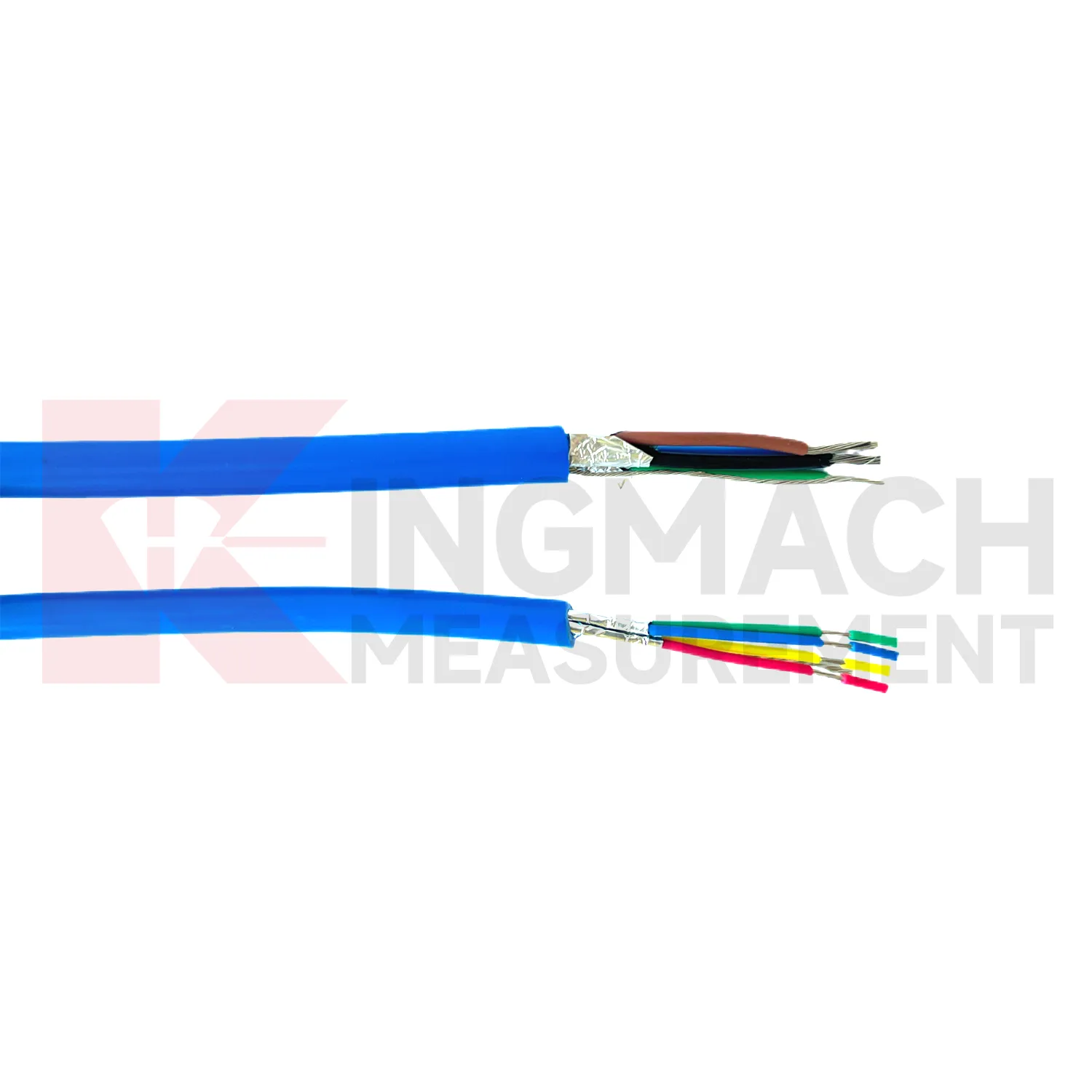
Running single-pair cables for every downhole sensor quickly turns a monitoring site into a wiring mess. A multicore hydrological cable keeps things tidy: one jacket, multiple twisted pairs, and a single pull through the conduit. Less cable, fewer ties, and way less headache when you’re kneeling in mud checking connections. Kingmach builds these cables for geotechnical projects that don’t pamper their equipment—think landslide-prone slopes, pumping test sites, and long-term groundwater monitoring wells. We stock common core counts, but we also cut custom lengths and put connectors on before shipping so the cable is ready to drop in. For projects that need a balance between cost and field-proven durability, this range sits in a sweet spot.
Technical Detail
Most monitoring installations share the same pain point: cable that works fine on the bench but starts cracking or wicking moisture six months into the job. The jacket compound and the way the inner pairs are twisted matter more than most spec sheets admit. Kingmach’s multicore hydrological cables use a polyurethane or polyethylene outer jacket—choice depends on your chemical and UV exposure—and each twisted pair is shielded with aluminum-backed tape plus a drain wire. That keeps crosstalk low and blocks electrical noise from nearby pumps or power lines, which is one of the most common reasons for bad readings in liquid-level sensors. The core count typically ranges from 2 to 12 pairs, so you can feed several piezometers, a rain gauge, and a temperature string through one cable. We pot the ends in a tough polyurethane resin if customer requests; this stops condensation from creeping up the conductor strands, something we’ve seen destroy connectors in high-humidity boreholes. Spool lengths are available from 100 meters up to 500 meters as standard, with longer reels possible on demand. The cable is marked every meter so field crews don’t have to guess how much is left in the ditch. You don’t need to baby it during installation—the jacket resists abrasion against rock edges, and the overall diameter stays manageable enough to fit into narrow standpipes. Clients often ask us to include a steel strength member or a Kevlar strain-relief layer when the cable has to hang freely down a deep well; we can layer those in without changing the outside dimension much. That keeps things simple when you’re ordering: one cable, one set of connectors, one less thing to troubleshoot on a rainy day.
News
Key Takeaways An alert chain needs more than a sensor: define field in...
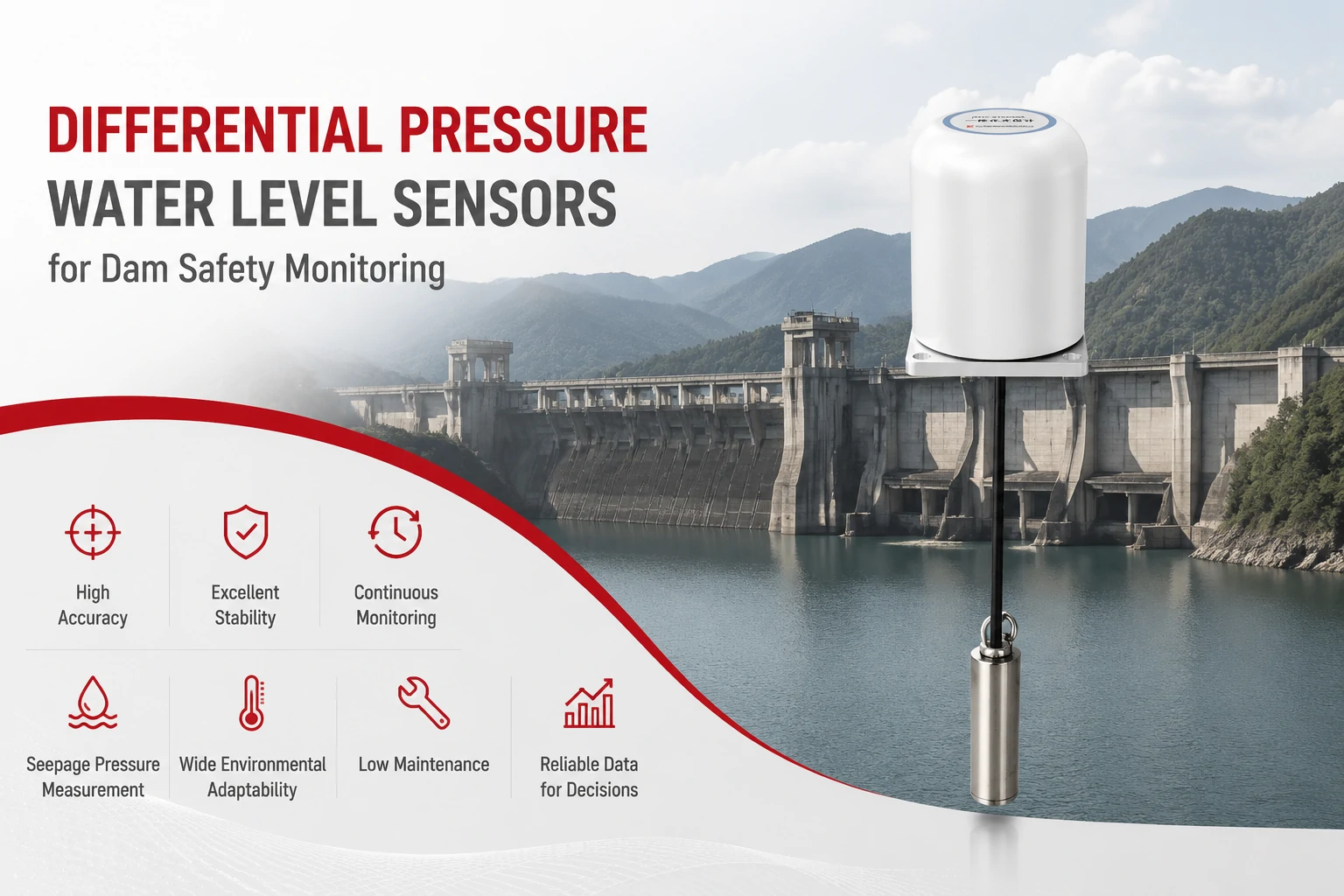
Key Takeaways The strongest fit is usually a confined, submerged, or s...
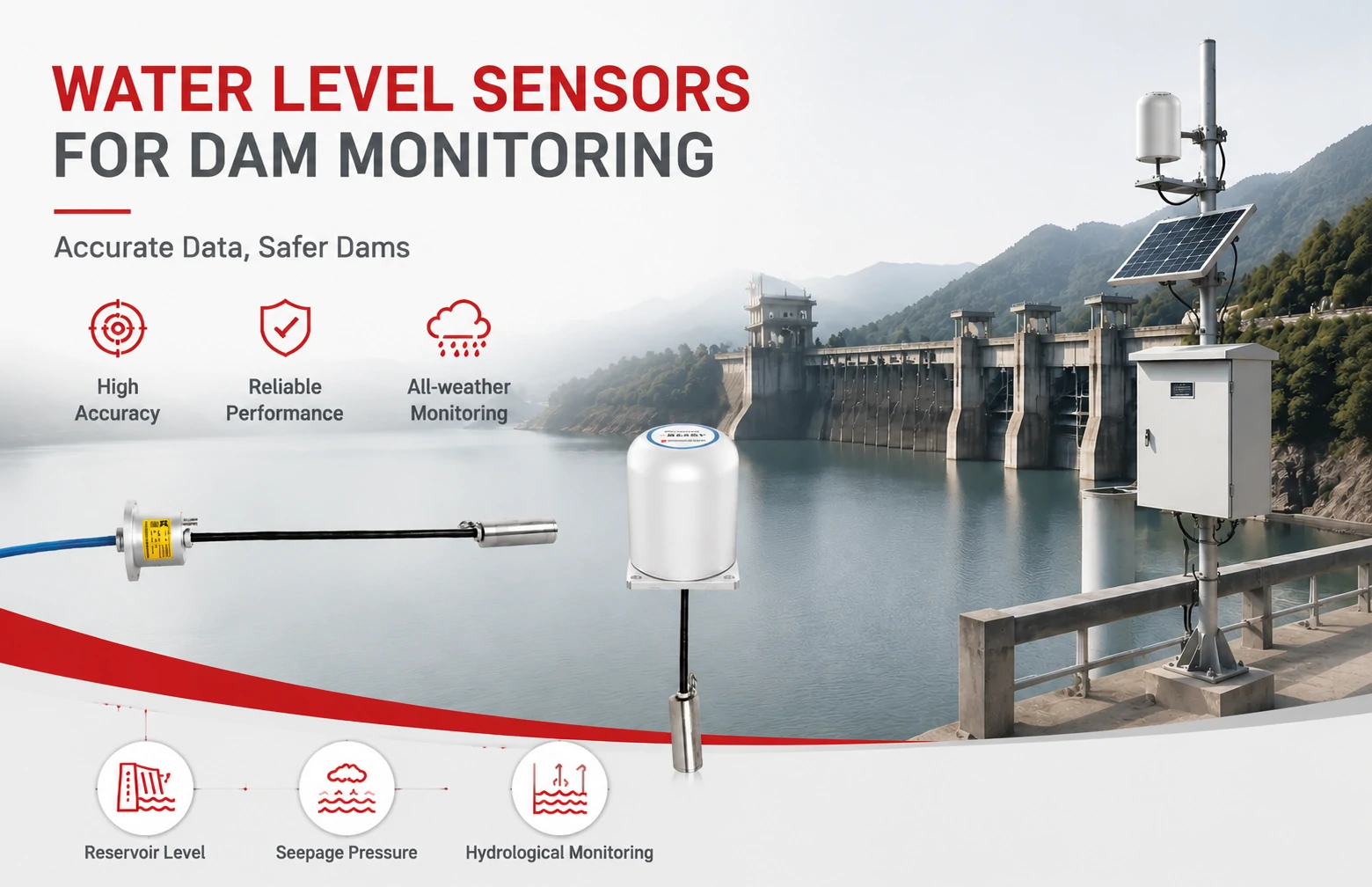
Kingmach Water Level Sensors for Dam Monitoring: A Buyer's Guide to Differential Pre...
Products
FAQ
A 4-pair cable usually covers it. That gives you a pair for each piezometer and one for the baro sensor, plus a spare in case something goes wrong during installation. If your sensors need separate excitation and signal lines, check the wiring diagram—maybe you jump to 6-pair.
Inside a standpipe, UV is less of an issue, but you still worry about chemical attack from groundwater or cleaning solutions. Polyurethane jackets handle occasional oil or solvent contact better than standard PVC jackets, and they stay flexible in the cold, so they’re easier to work with during winter installations.
Yes. Tell us the connector types and pinout, and we’ll terminate and test every conductor before it leaves. For long spools, we normally ship with one end finished and the other loose, but both-end termination is common for custom lengths under 300 meters.
The outer jacket is abrasion-resistant enough to survive rubbing against sharp rocks during ground shifts. But for repeated stretching, you’ll want a version with a Kevlar or steel strength member. That gives it some tensile give without snapping the copper wires.
For a standard jacket and a common core count like 6-pair, we usually ship within 10 working days after deposit. If you need a special jacket compound or non-standard shield coverage, add about a week. We always confirm the exact timeline after reviewing the specifications.
Share your product type, target capacity, and application requirements. Our team can review the details and recommend a practical next step.
Related Keywords
If you are interested in our products or want to become our partner.
Please leave your contact information, our team will contact you as soon as possible.
Mail: [email protected]
Contact Us: +8613808434127
Address: No. 188 Tongzipo West Rd, Changsha, Hunan, China