
 EN
EN
 ar
ar bg
bg hr
hr cs
cs da
da nl
nl fi
fi fr
fr de
de el
el hi
hi it
it ko
ko no
no pl
pl pt
pt ro
ro ru
ru es
es sv
sv tl
tl iw
iw id
id lv
lv lt
lt sr
sr sk
sk sl
sl uk
uk vi
vi et
et hu
hu th
th tr
tr fa
fa ms
ms hy
hy ka
ka ur
ur bn
bn mn
mn ta
ta kk
kk uz
uz ku
ku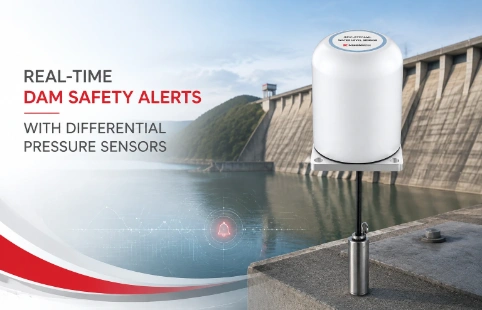
Real-Time Dam Safety Alerts with Differential Pressure Water Level Sensors
Key Takeaways An alert chain needs more than a sensor: define field in...

5 Ton Load Cell for Industrial Weighing
In applications like silo weighing, heavy-duty platform scales, or structural load testing, a 5 ton sensor is often the silent workhorse. Pick one and it\u2019s expected to deliver consistent millivolt signals day after day, often in dusty, vibrating, or temperature-swinging environments. That\u2019s where a sensor built with long-term stability in mind makes the difference. Kingmach brings a geotechnical monitoring mindset to its load cell range. The same design principles that keep our earth pressure cells and strain gauges stable for years are baked into our 5 ton load cells. That means careful material selection, precision strain gauge bonding, and rigorous temperature compensation \u2013 not just a generic industrial component. For projects that demand more than a catalog part, we offer configuration flexibility and direct engineering support. Whether you\u2019re integrating into a custom test rig or a running process line, getting the sensor right upfront saves headaches down the track.
Technical Detail
Kingmach\u2019s 5 ton load cell bridges the gap between standard industrial sensors and the kind of robustness expected in long-term monitoring. It\u2019s built around proven foil strain gauge technology, with an output sensitivity of 2 mV/V and a recommended excitation of 10 VDC \u2013 straightforward to interface with most weight transmitters or PLC modules. The elastic element is machined from high-strength alloy steel and typically rated for a safe overload of 150% of capacity, so a momentary surge on a filling hopper doesn\u2019t mean a call to the spares department. Temperature compensation is baked in, holding zero and span drift to tight limits over a broad ambient range, which is critical when the sensor sits on an outdoor structure. Standard environmental protection comes at IP67, with optional IP68 sealing if the installation might see occasional submersion. Connection is by way of a integral cable or a rugged connector, depending on mounting constraints. In terms of mechanical configuration, the sensor can be had in compression-only, compression/tension, or low-profile shear beam formats to suit different weighing modules. Kingmach also supplies matching mounting hardware: self-aligning rocker plates, rod ends, and base plates that reduce off-axis loading errors. For signal output, the raw mV signal can be paired with our digital indicator or a compact transmitter that converts to 4-20 mA, RS485, or even wireless readings. If standard specs don\u2019t fit, we frequently modify dimensions, cable lengths, or even the bridge resistance to match existing systems. This kind of flexibility, backed by a mid-range price point and quick engineering response, makes the sensor a practical choice for integrators who need a 5 ton capacity without locking into a one-size-fits-all component.
News
Key Takeaways An alert chain needs more than a sensor: define field in...
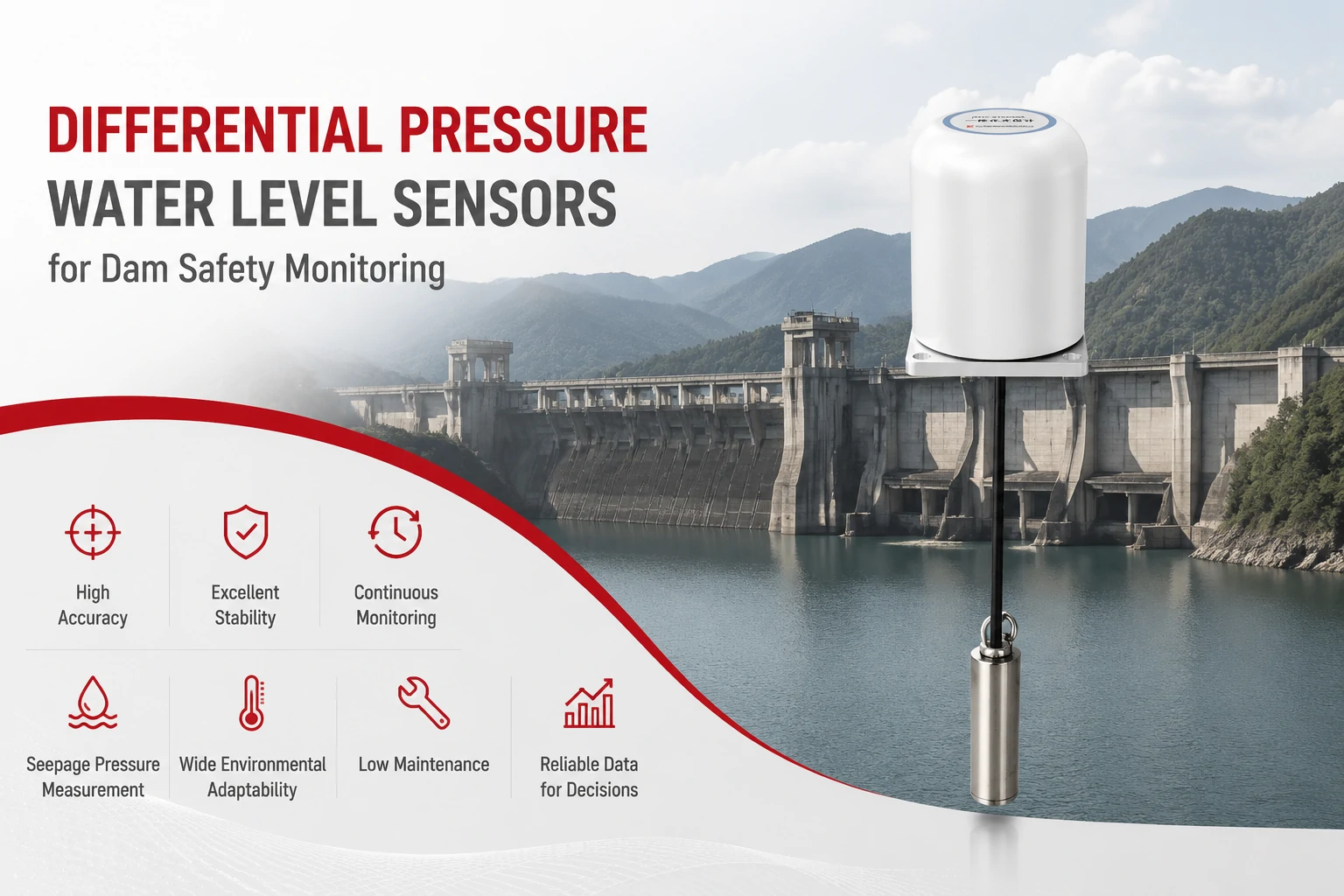
Key Takeaways The strongest fit is usually a confined, submerged, or s...
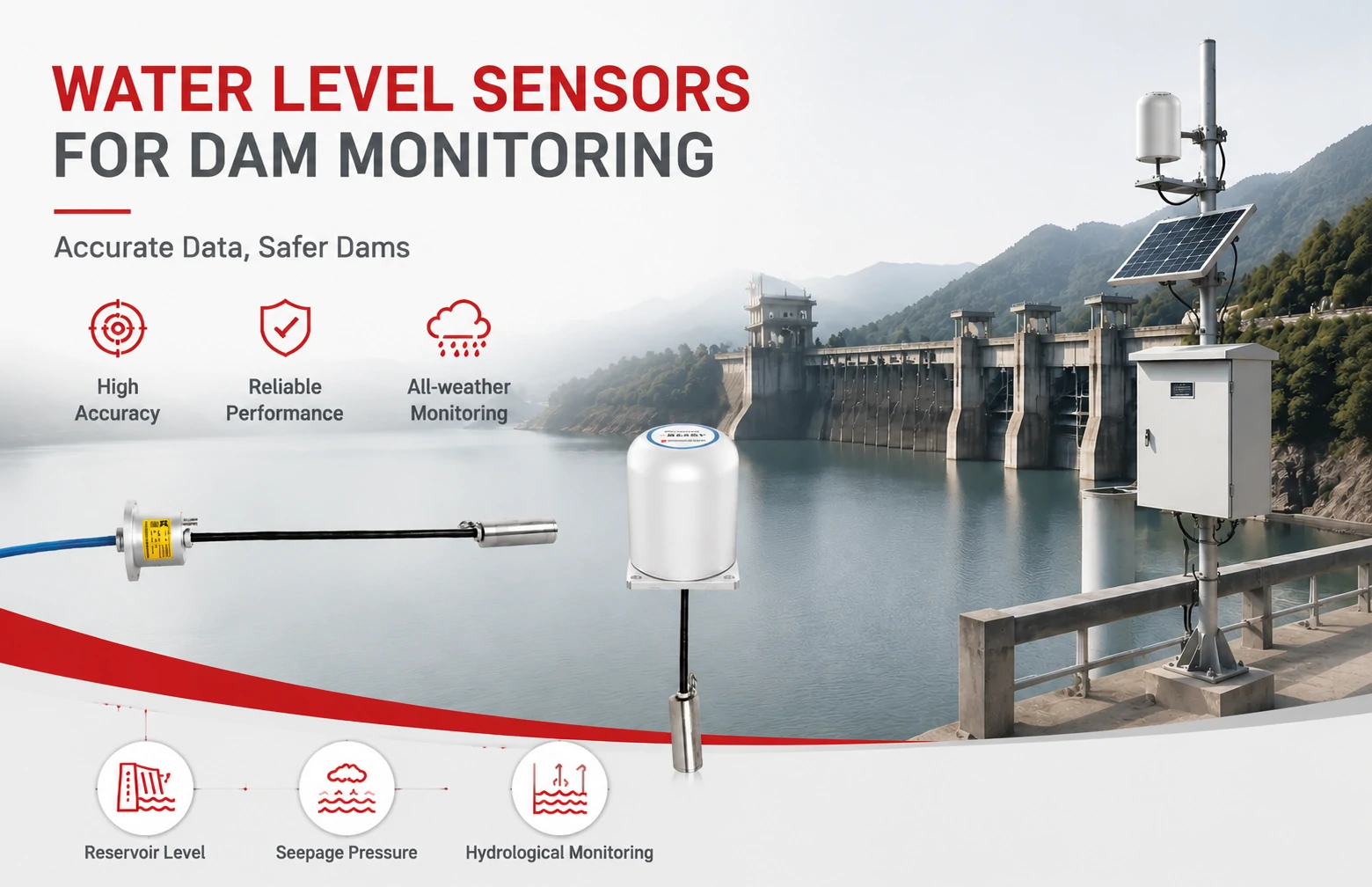
Kingmach Water Level Sensors for Dam Monitoring: A Buyer's Guide to Differential Pre...
Products
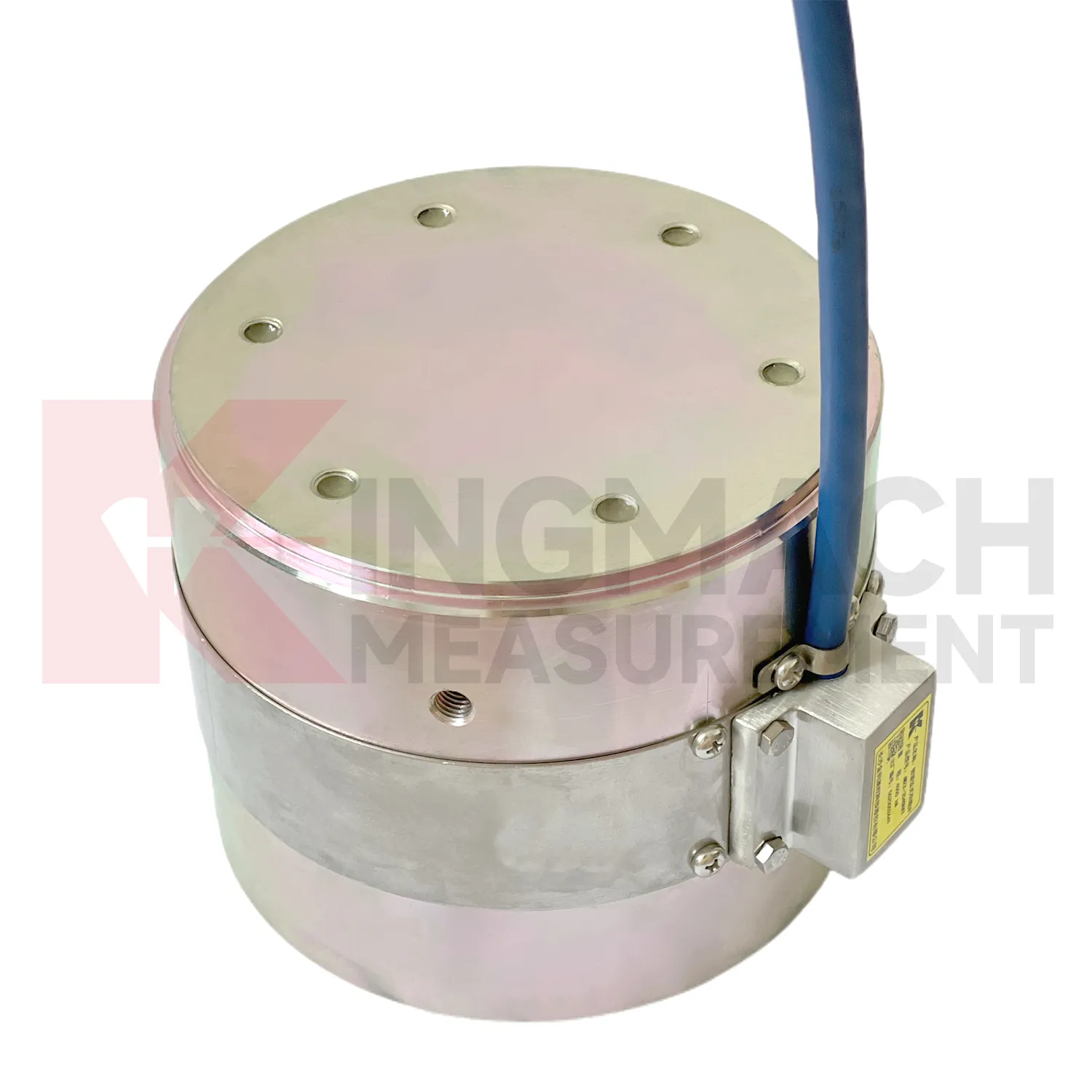
Solid load cell JMZX-34XXHAT、35XXHAT、36XXHAT
View Details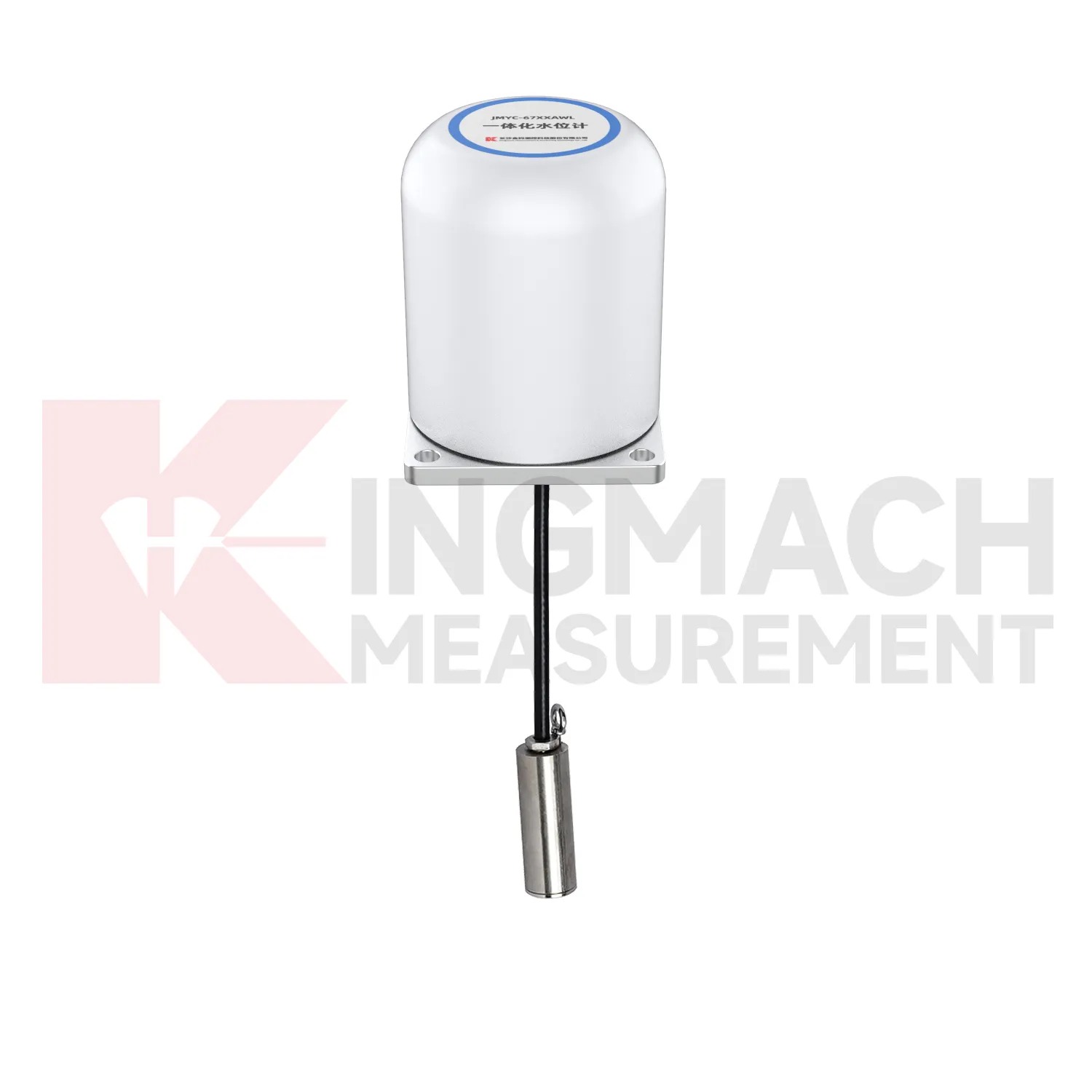
Integrated Wide-Range Differential Pressure Water Level Meter JMYC-67XXAWL
View Details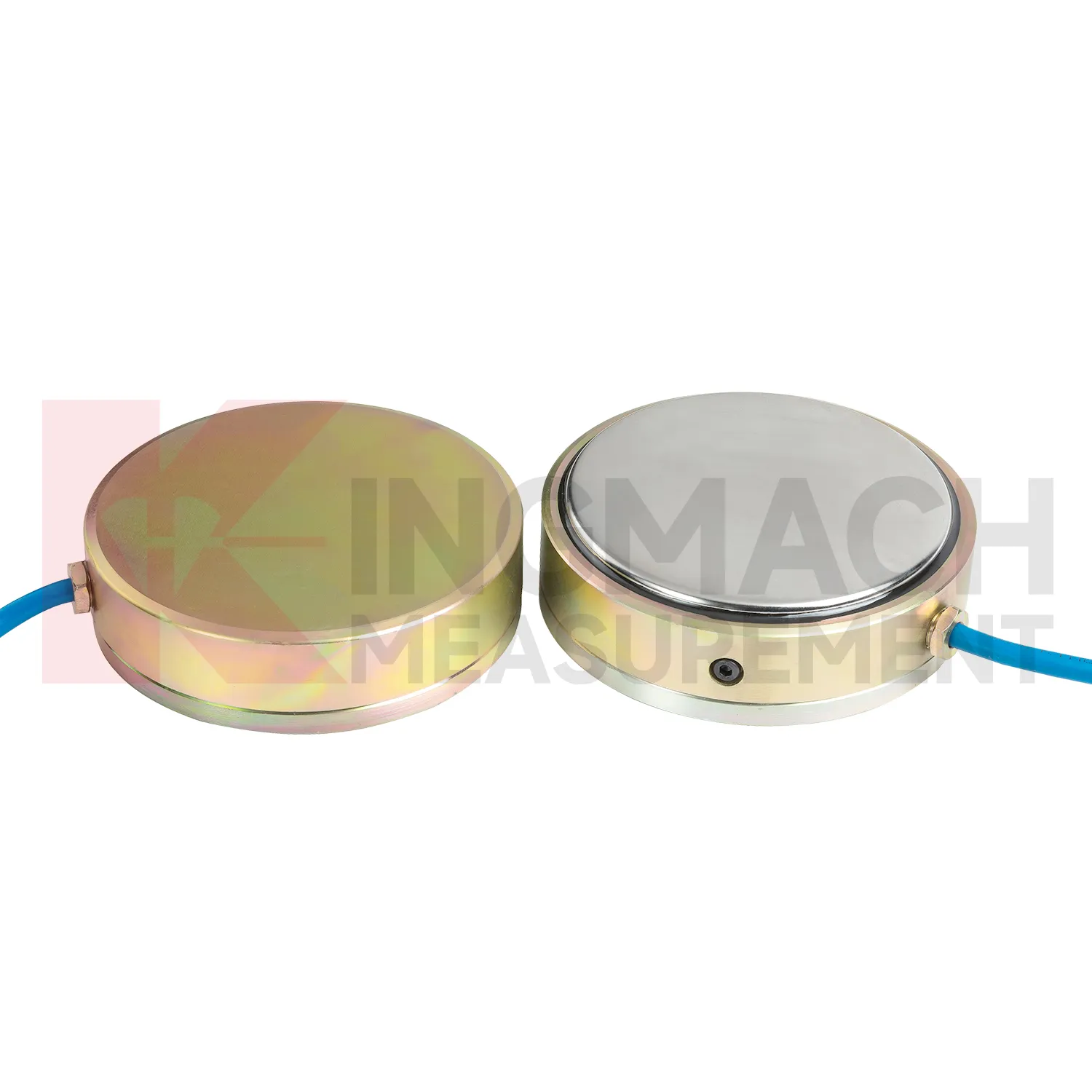
Earth Pressure Cell ( VW & Smart Type) JMZX-50XXAT/ ATM
View DetailsFAQ
It can, but you need to consider the sensor\u2019s stiffness and natural frequency. A stiffer sensor with a higher resonant frequency will follow dynamic load changes more faithfully. Our standard 5 ton cells handle typical filling and batching dynamics well. For very fast events like impact forces, we often recommend a low-profile shear beam design that reduces ringing.
The key is proper alignment and support. Use mounting accessories that let the sensor self-align \u2013 spherical washers or rocker pins help. The load must be guided so that side forces and torques are minimal. Even a few millimeters of misalignment on a 5 ton cell can introduce a couple percent of linearity error. We supply a set of standard mounts that cover most common base and load plate arrangements.
The standard output is 2 mV/V at rated load. That\u2019s a low-level millivolt signal that needs amplification at the indicator or PLC. We also offer packaged solutions with a 4-20 mA or RS485 transmitter built into the cable gland, or a separate DIN-rail module. This makes the sensor plug-and-play with most industrial controllers.
IP67 is usually sufficient for sensors that are hosed down or caught in rain, and that\u2019s our standard. If the installation could see submersion \u2013 like in a pit that occasionally floods \u2013 then IP68 with a specified depth and duration is safer. We can supply either; just let us know the worst-case moisture condition during your application review.
Yes, every sensor leaves our factory with a basic calibration sheet showing zero balance, output at 5 tons, and linearity error. If you need an accredited certificate traceable to ISO 17025, that can be arranged through our partner labs. We also offer re-calibration and repair services for sensors that have been in the field for a while.
Share your product type, target capacity, and application requirements. Our team can review the details and recommend a practical next step.
If you are interested in our products or want to become our partner.
Please leave your contact information, our team will contact you as soon as possible.
Mail: [email protected]
Contact Us: +8613808434127
Address: No. 188 Tongzipo West Rd, Changsha, Hunan, China