
 EN
EN
 ar
ar bg
bg hr
hr cs
cs da
da nl
nl fi
fi fr
fr de
de el
el hi
hi it
it ko
ko no
no pl
pl pt
pt ro
ro ru
ru es
es sv
sv tl
tl iw
iw id
id lv
lv lt
lt sr
sr sk
sk sl
sl uk
uk vi
vi et
et hu
hu th
th tr
tr fa
fa ms
ms hy
hy ka
ka ur
ur bn
bn mn
mn ta
ta kk
kk uz
uz ku
ku
tiltmeters
Kingmach tiltmeters are designed to work with automated test systems and long-term deformation monitoring. Product pages mention remote unattended automatic measurement, automatic temperature compensation, low-power standby modes, electronic identifiers, intelligent computation, and data upload by wired or wireless means. These details are especially useful in foundation pits, slopes, tunnels, bridges, railways, and dams, where site access may be periodic or hazardous. Automation should not be treated as a simple hardware feature. The project must define how tilt values are named, when they are collected, how abnormal data is checked, which personnel inspect the site, and how maintenance events are recorded. A stable automated tilt system combines sensor reliability, protected power, clean communication, and a review process that connects the angle curve to real site behavior.
Application of tiltmeters
Dam and embankment monitoring use tiltmeters to follow angular change and internal deformation under water-level, seepage, consolidation, and seasonal effects. JMZX-7100L is used for horizontal displacement changes inside soil masses in dams and embankment slopes, while JMQJ-7915ATS can support fixed multi-depth monitoring in boreholes. Fixed tilt sensors may also be used on gallery structures, retaining walls, or equipment bases where angular change is important. Readings should be reviewed beside reservoir level, seepage, rainfall, pore pressure, settlement, and inspection notes. The work is long-term, so sensor orientation, borehole position, casing condition, and reference direction must be recorded carefully. A stable tilt or inclinometer record can help distinguish slow consolidation from localized deformation linked to water or structural change.
The future of tiltmeters
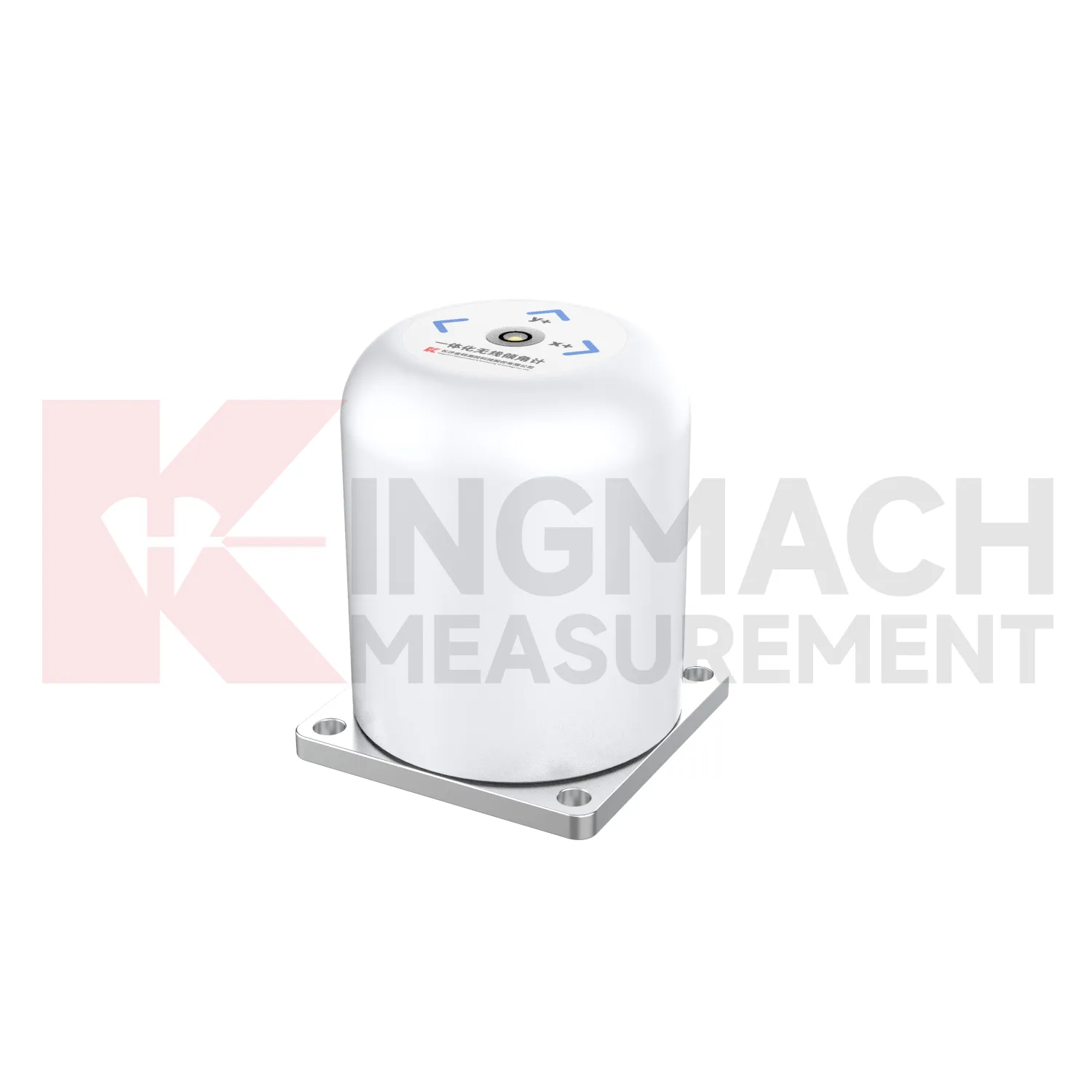
The future of tiltmeters will include stronger links to maintenance budgeting. Owners of bridges, railways, dams, tunnels, buildings, slopes, and towers need to rank which assets are stable and which require inspection or repair. Long-term tilt records can support that ranking when they are collected consistently and tied to structural locations. JMQJ-7315ADS, JMQJ-7315RTU, JMQJ-7915ATS, JMZX-7100L, and JMZX-4QH provide different paths for collecting angular or internal deformation data. Future asset systems can connect these records to inspection cycles, repair dates, weather events, and risk categories. The result is a tilt record that supports planning, not only construction-stage warnings.
Care & Maintenance of tiltmeters
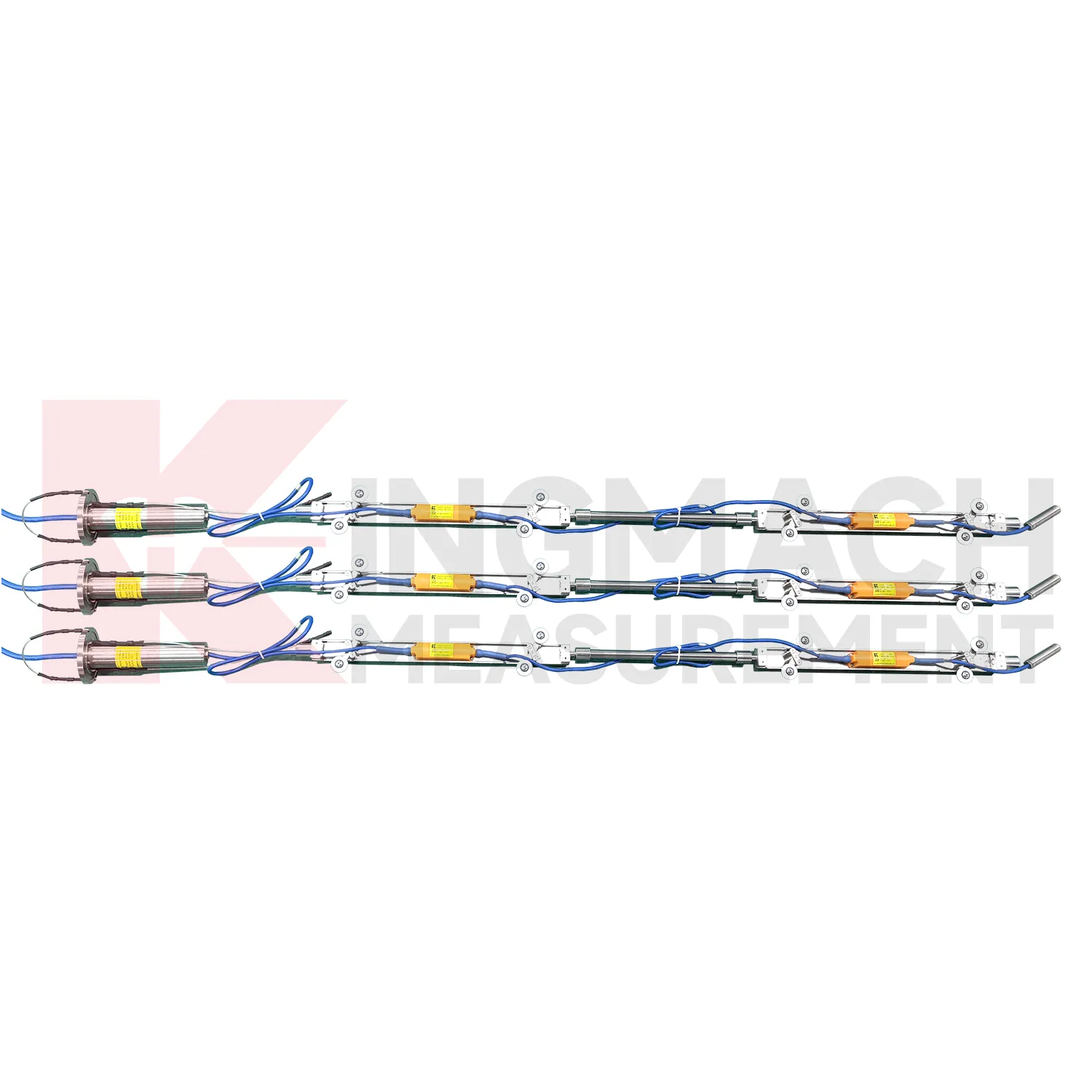
Borehole systems for tiltmeters need careful mechanical and data maintenance. JMQJ-7915ATS uses a multi-point tandem inclinometer string with universal joints, connecting rods, suspension, cables, and an orifice acquisition module. During installation, record measurement spacing, borehole ID, casing condition, orientation, group assignment, and factory configuration. During inspection, protect the orifice, check cable strain, review module status, and compare depth points for abnormal jumps. If one depth changes sharply while neighboring depths remain steady, inspect both the ground condition and the instrument chain. Borehole data is most useful when every depth point remains tied to a clear physical position and a stable orientation reference.
Kingmach tiltmeters
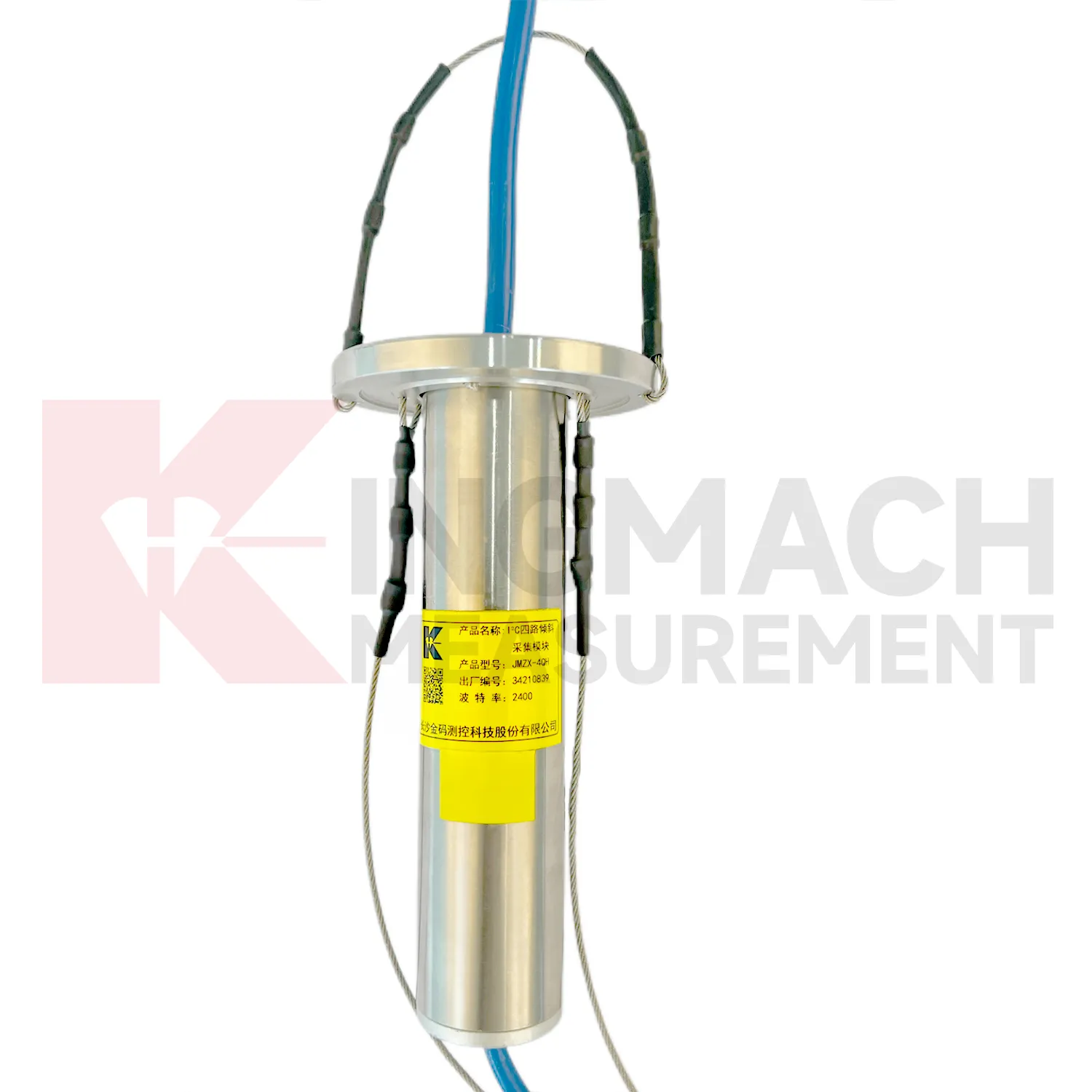
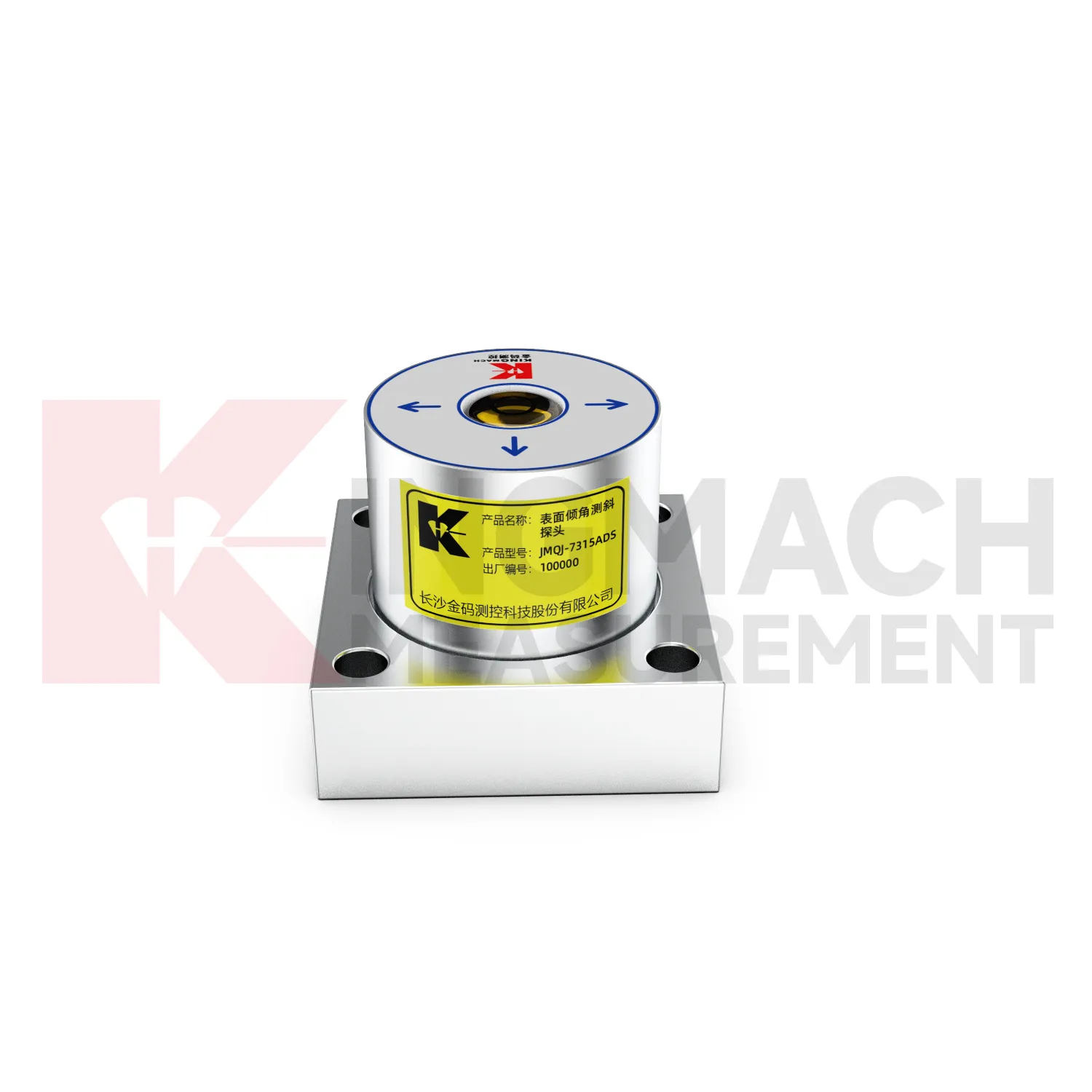
For procurement teams, Kingmach tiltmeters are not one single instrument type. The product group includes JMQJ-7315ADS fixed tilt sensors, JMQJ-7315RTU integrated wireless tilt units, JMQJ-7915ATS vertical in-place inclinometer systems, JMZX-7100L sliding inclinometers, and JMZX-4QH inclination acquisition modules. Each serves a different monitoring method. A fixed tiltmeter follows one structural point. A wireless integrated unit reduces site wiring. A vertical in-place system reads multiple depths in a borehole. A sliding inclinometer supports field profiling inside inclinometer casing. An acquisition module collects many downhole sensors through grouped communication. A good purchase record should match range, accuracy, communication mode, protection grade, power supply, installation method, and site access. That makes the instrument package easier to install, verify, and maintain after delivery.
FAQ
Q: How often should tiltmeters be inspected?
A: Inspection frequency depends on risk, access, construction stage, and deformation speed; active excavation or storm periods often need closer review.Q: What maintenance is needed for wireless tilt units?
A: Check battery status, antenna condition, upload timing, enclosure seals, point label, and platform channel naming.Q: What causes false tilt changes?
A: Loose mounting, disturbed cables, water entry, temperature effects, power faults, channel mistakes, or inconsistent manual reading can affect the record.Q: How should replacement be handled?
A: Record old and new model, serial number, range, baseline, reason, date, axis direction, channel name, and first stable value after replacement.Q: What makes tilt data useful over many years?
A: Consistent point naming, stable baselines, clear installation photos, protected hardware, visible maintenance records, and comparison with related site data.
Reviews
Robert Taylor
The weir flow meter is well-built and delivers accurate measurements. Great value for water management applications.
Ryan Lewis
Fast delivery and excellent product quality. The accelerometers and tiltmeters are highly reliable. Strongly recommend this company.
Latest Inquiries
To protect the privacy of our buyers, only public service email domains like Gmail, Yahoo, and MSN will be displayed. Additionally, only a limited portion of the inquiry content will be shown.
Ava***@gmail.comAustralia
Hi, I am looking for reliable tiltmeters and accelerometers for structural health monitoring. Please...
Charlotte***@gmail.comUnited Arab Emirates
Hi, we require instrumentation cables suitable for harsh environments. Could you advise on specifica...