
 EN
EN
 ar
ar bg
bg hr
hr cs
cs da
da nl
nl fi
fi fr
fr de
de el
el hi
hi it
it ko
ko no
no pl
pl pt
pt ro
ro ru
ru es
es sv
sv tl
tl iw
iw id
id lv
lv lt
lt sr
sr sk
sk sl
sl uk
uk vi
vi et
et hu
hu th
th tr
tr fa
fa ms
ms hy
hy ka
ka ur
ur bn
bn mn
mn ta
ta kk
kk uz
uz ku
ku
strain gauge load cells
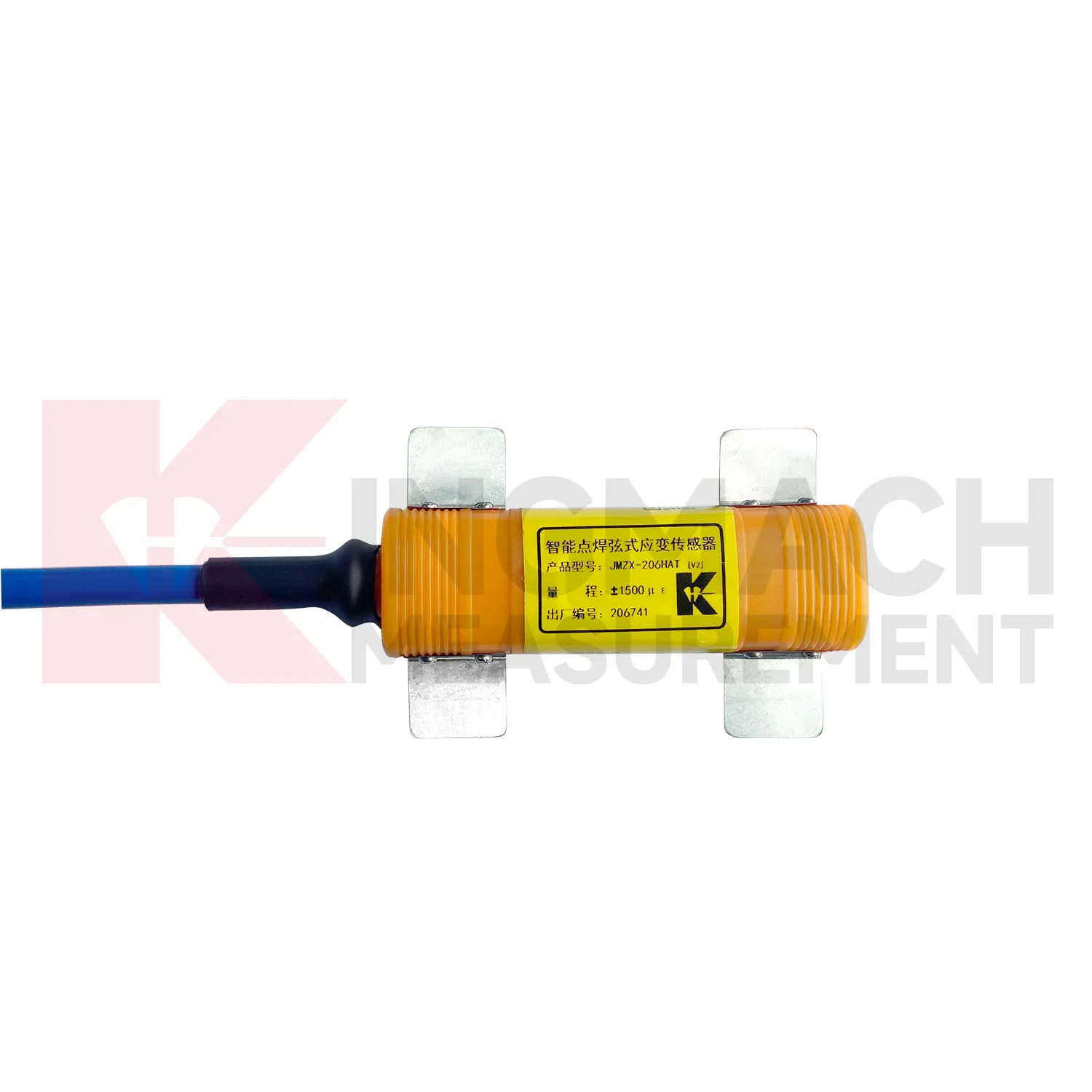
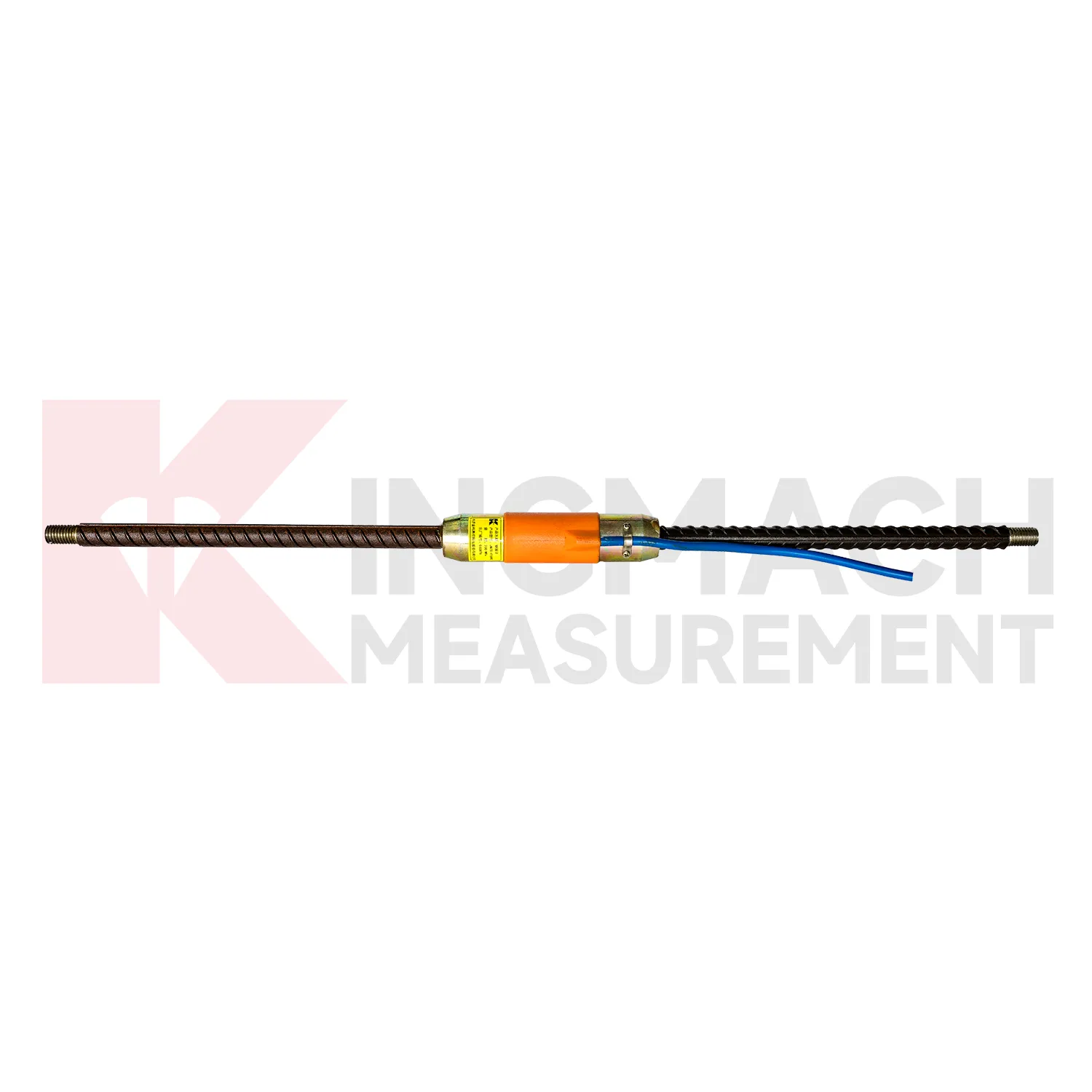
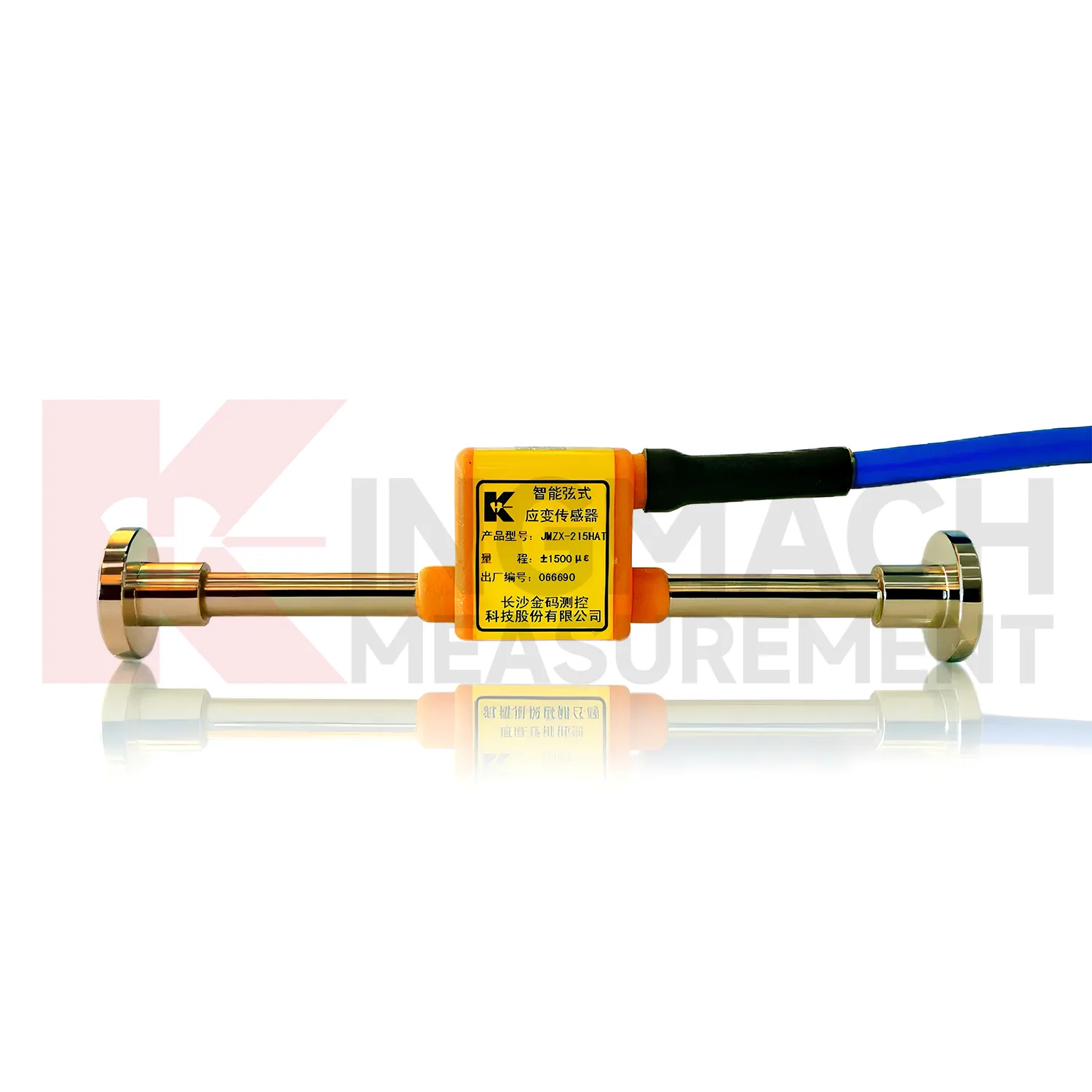
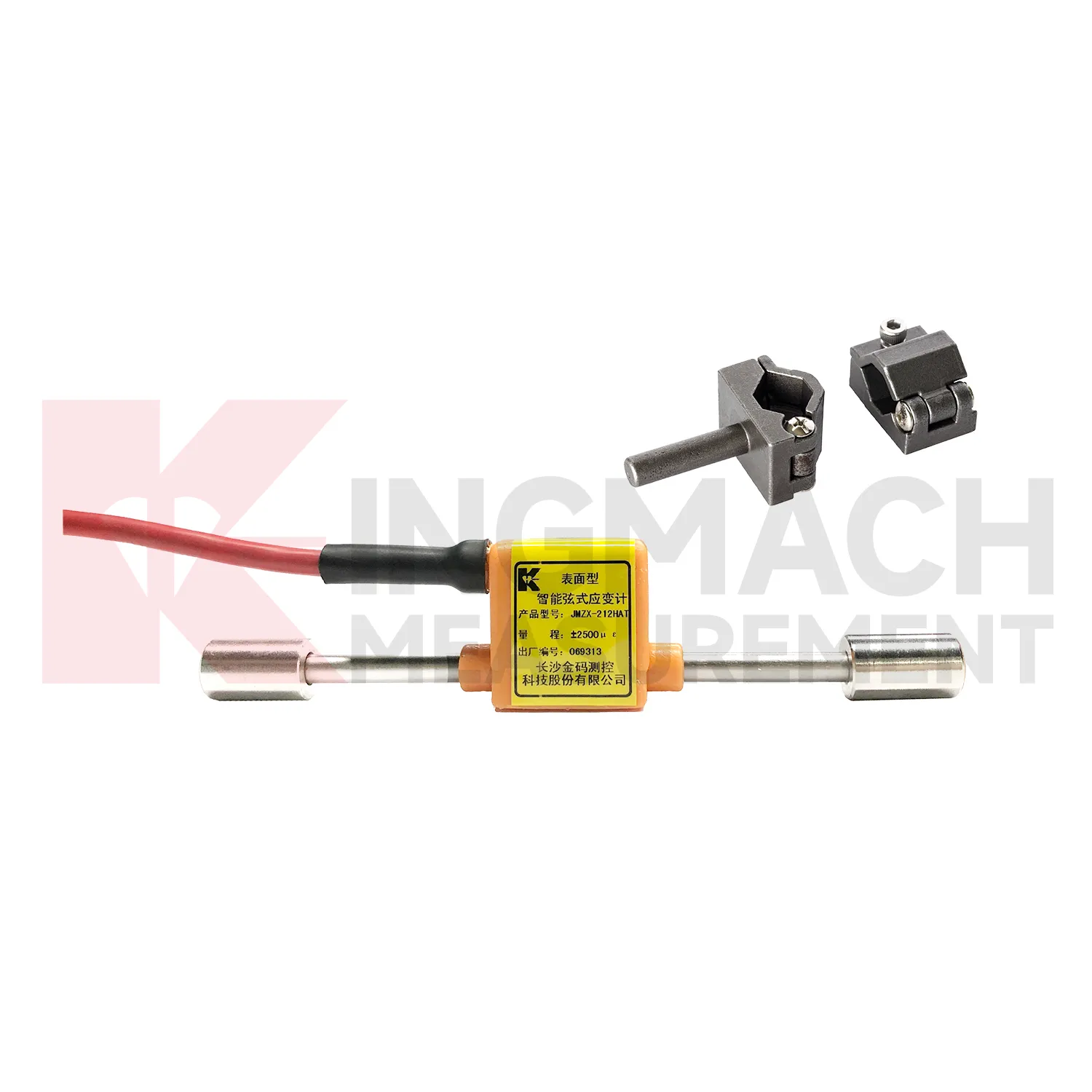
Kingmach {keyword} is designed for engineering strain monitoring where stable readings, field durability, and system compatibility matter. The JMZX-212HAT/HB surface model measures concrete or steel surface strain with a standard range of ±2500 microstrain, 0.5%F.S. strain accuracy, 0.1 microstrain resolution, and a 129 mm gauge length. Its vibrating wire structure uses welded anchoring and built in tension, which helps maintain reliable fixation without depending on shear resistance from the mounting base. The stainless steel fully sealed structure is rated for waterproof performance at depths up to 150 meters, making it suitable for wet or exposed field locations. When used with Kingmach comprehensive readout units or automated acquisition systems, readings can be displayed as physical values or frequency in Hz. The temperature version includes a built in temperature sensor, with a thermometer range from -40℃ to +120℃ and ±0.5℃ temperature measurement accuracy for strain correction. These details give procurement and engineering teams enough information to compare the product against site needs such as measuring range, waterproofing, temperature correction, installation method, and acquisition compatibility. They also keep the specification tied to tested product data instead of loose performance assumptions. A clear specification record reduces confusion when the same project uses surface, embedded, welded, and rebar based instruments together.
Application of strain gauge load cells
In wind tower and tall structure monitoring, {keyword} can be installed on tower bases, steel sections, concrete transition areas, reinforcement, and connection zones to track bending stress, fatigue, and wind induced strain. These structures face repeated load cycles, vibration, temperature variation, and difficult access after commissioning. Kingmach welded strain gauges provide digital detection, strong anti interference capability, and storage for model data, serial number, calibration coefficients, and up to 800 records. Surface gauges can also provide 0.1 microstrain resolution and optional temperature correction. When strain data is reviewed with accelerometer and tiltmeter readings, operators can see whether tower movement and stress remain within expected patterns. This supports maintenance scheduling and helps avoid relying only on periodic visual inspection. This application also benefits from Kingmach's wider monitoring catalog. Strain can be checked against settlement, tilt, displacement, crack, piezometer, water level, and vibration data to avoid reading one channel out of context. This gives the project team a better way to separate normal behavior from a change that needs inspection. For field use, the strain point should be named, mapped, protected, and reviewed with nearby sensors before any alarm is judged. The same record can support staged construction control, post event inspection, and long term maintenance planning.
The future of strain gauge load cells
Future use of {keyword} in bridges and rail systems will put more attention on fatigue, dynamic loading, and real time maintenance planning. Heavy traffic and repeated train loads create strain cycles that are easy to miss during occasional inspection. Kingmach's strain gauges can already connect with automated acquisition and monitoring platforms, while dynamic strain data loggers and vibration sensors can add context. Over time, AI based trend review may compare strain cycles with traffic periods, temperature, vibration, and displacement to flag unusual behavior. The useful path is specific: more frequent sampling where needed, better channel grouping, and alerts that refer to actual structural zones rather than anonymous numbers. The strongest future systems will still begin with correct model selection. Software can help review data, but it cannot repair a sensor installed in the wrong stress zone. Those improvements fit long term infrastructure monitoring better than one time testing. That path keeps the technology tied to field decisions, not abstract promises.
Care & Maintenance of strain gauge load cells
For long term monitoring, {keyword} should be checked as part of the whole measurement chain, not only as a sensor body. Kingmach surface and embedded vibrating wire gauges provide 0.1 microstrain resolution and 0.5%F.S. accuracy, but those numbers depend on stable mounting, protected wiring, and correct acquisition settings. During use, review baseline trends, compare nearby channels, and note construction events, traffic changes, or temperature swings. Do not reset the baseline casually after unusual weather or heavy loading. For waterproof models rated to 150 meters, still inspect cable exits and seals because most field failures start at connection points. A clean, named, time stamped record is often the best maintenance tool. This is especially important when the gauge is embedded or welded, because replacement may be difficult after concrete pouring, coating work, rail service, or bridge operation has resumed. Review the channel after major site work. Replace damaged protection before water reaches the connection.
Kingmach strain gauge load cells
{keyword} gives asset owners a way to compare present strain behavior with earlier records. That comparison is important on structures that move slowly, such as dams, slopes, long span bridges, railway stations, and underground works. A single reading can raise a question, but a trend can show whether the structure is settling into normal behavior or moving away from it. Kingmach's automated monitoring products and Engineering Pulse platform are built around this need for traceable data. With the right installation and channel management, strain readings can support inspection schedules, reinforcement decisions, construction control, and long term maintenance planning. The result is a product description that feels connected to real bridge, tunnel, dam, and building work rather than a detached sensor definition. That field record supports later inspection. It also gives engineers a cleaner baseline for later comparison. The same data can guide inspection notes and repair timing. Site records matter.
FAQ
Q: How should {keyword} be maintained?
A: Inspect the sensor protection, cable route, junction boxes, seals, channel labels, and baseline trends. Compare readings with temperature and nearby sensors before judging an alarm.
Q: How often should calibration be checked?
A: Follow project requirements and review calibration before load tests, major construction stages, repair work, or when readings drift without a clear site reason.
Q: What causes unstable readings?
A: Common causes include loose wiring, water entry, damaged cable jackets, poor grounding, surface debonding, weak welds, wrong acquisition settings, and real structural movement.
Q: Can the sensor be replaced after embedment?
A: Usually not without structural work, so embedded gauges need careful installation, cable protection, and documentation before concrete is poured.
Q: What records should be kept?
A: Keep model, serial number, calibration coefficients, location, installation photos, cable route, channel name, baseline readings, and maintenance notes.
Reviews
Christopher Martinez
Very satisfied with the readouts & data loggers. User-friendly interface and supports multiple sensor inputs.
Andrew Lee
The visualization software is intuitive and powerful. It helps us analyze monitoring data efficiently.
Latest Inquiries
To protect the privacy of our buyers, only public service email domains like Gmail, Yahoo, and MSN will be displayed. Additionally, only a limited portion of the inquiry content will be shown.
Isabella***@gmail.comGermany
Hello, we are evaluating weir flow meters for a water management project. Please share accuracy deta...
Amelia***@gmail.comSingapore
Hello, I am looking for visualization software for monitoring system data analysis. Please let me kn...
Related product categories
- strain gauge sensor module
- strain gauge load cell sensor
- strain gauge and load cell
- load cell and strain gauge
- load cell strain gauge
- strain gauge load cells
- strain gauge manufacturers
- strain gauge suppliers
- strain gauge sensor market
- strain gauge sensor price
- strain gauge weight sensor factory
- strain gauge weight sensor suppliers