
 EN
EN
 ar
ar bg
bg hr
hr cs
cs da
da nl
nl fi
fi fr
fr de
de el
el hi
hi it
it ko
ko no
no pl
pl pt
pt ro
ro ru
ru es
es sv
sv tl
tl iw
iw id
id lv
lv lt
lt sr
sr sk
sk sl
sl uk
uk vi
vi et
et hu
hu th
th tr
tr fa
fa ms
ms hy
hy ka
ka ur
ur bn
bn mn
mn ta
ta kk
kk uz
uz ku
ku
strain gauge application
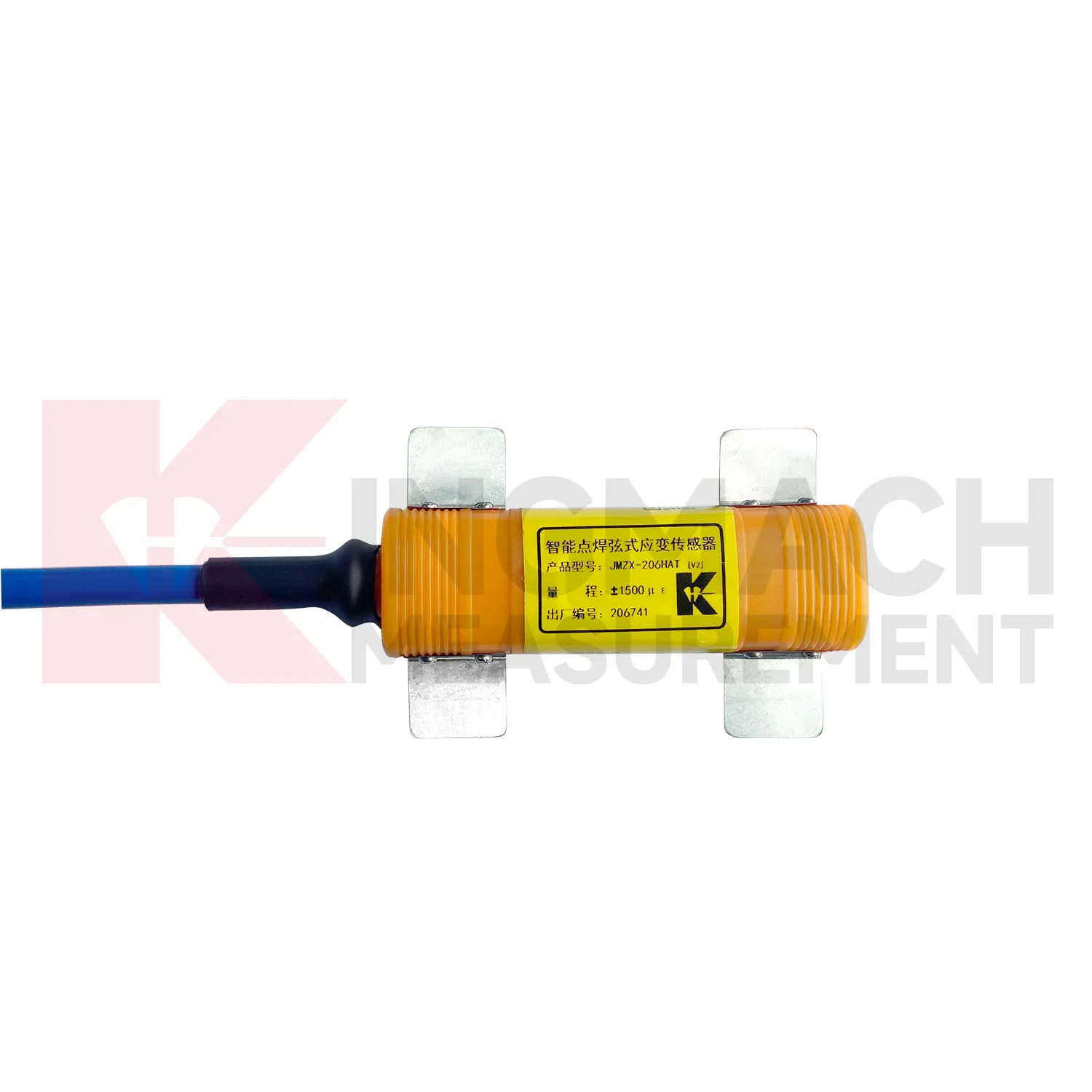
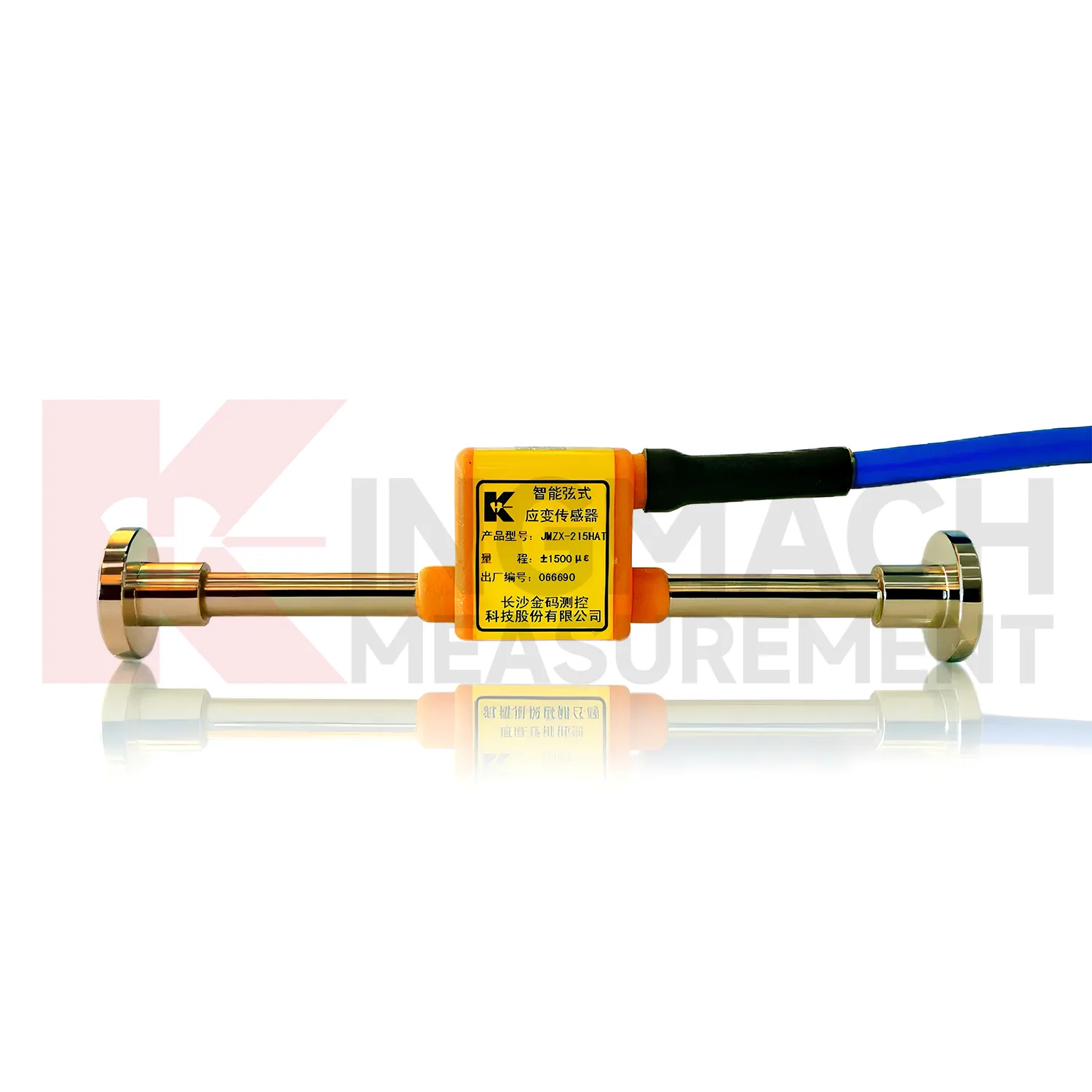
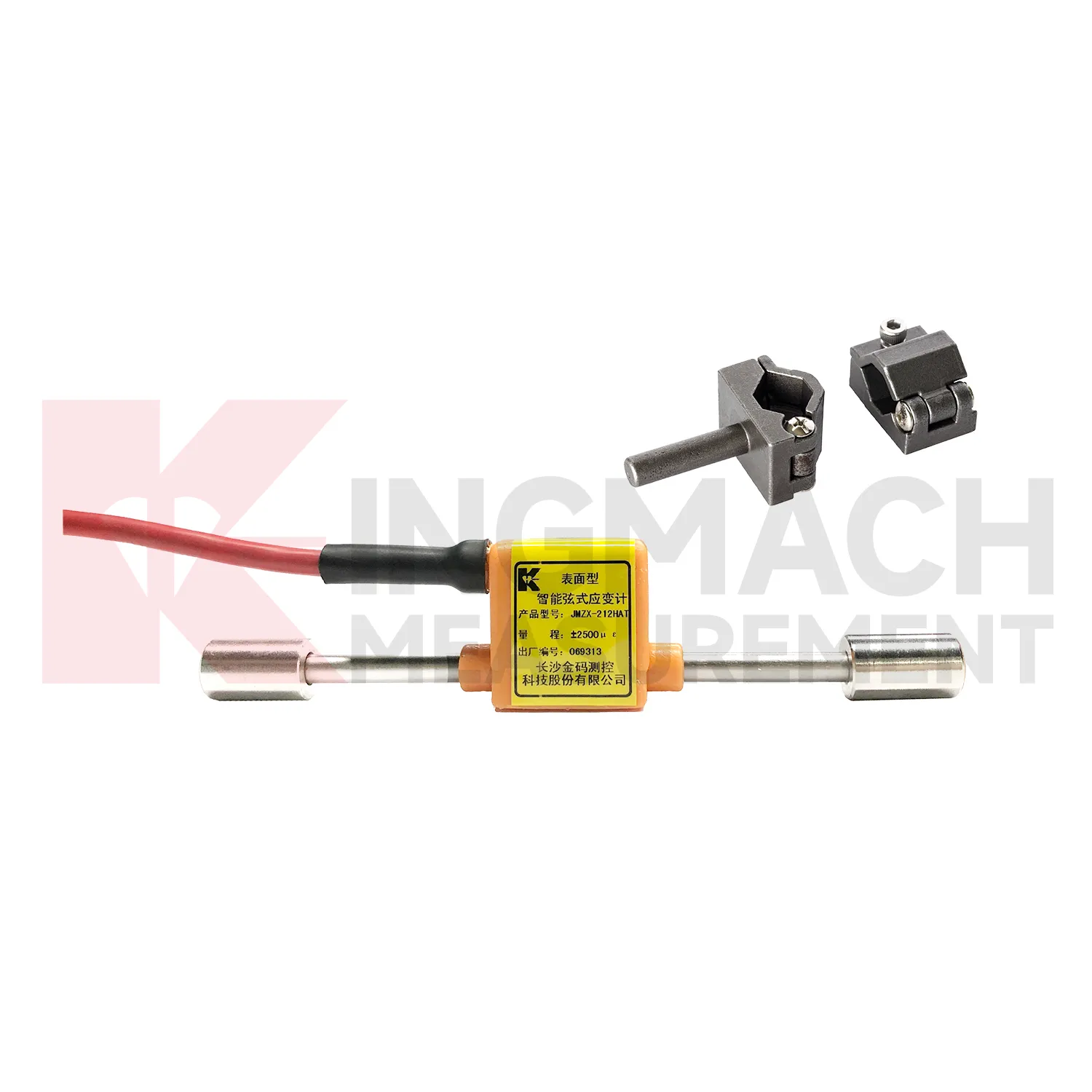
Kingmach {keyword} is built around vibrating wire measurement, a method widely used in long term civil engineering monitoring because frequency signals can travel over distance with good resistance to interference. In the JMZX strain gauge range, pulse excitation supports fast testing and stable steel wire vibration. The surface and embedded models both use sealed stainless steel structures and waterproof designs rated to 150 meters, while temperature versions measure the monitoring point temperature for correction. The JMZX-212HAT/HB surface model has a 129 mm gauge length, and the JMZX-215HA/215HAT/HB embedded model has a 146 mm gauge length. For steel structures, the JMZX-206HAT welded model adds digital detection and onboard storage of calibration coefficients. These details make the product group useful for bridges, dams, tunnels, rail systems, foundations, and other structures where readings must stay meaningful over many operating cycles. For long term structural health monitoring, the combination of vibrating wire output, waterproof construction, temperature correction, and automated acquisition compatibility is more important than a short feature list. It affects whether the data remains usable after seasons of field exposure. That is why model data, calibration values, and channel labels should travel with the product from procurement to commissioning. For field teams, those details also shape installation tools, spare cable length, readout selection, and protection work.
Application of strain gauge application
In bridge monitoring, {keyword} is used to track strain in girders, decks, steel beams, piers, reinforcement, and cable related members. The pain point is simple: bridge stress changes under traffic, wind, temperature, repair work, and long term fatigue, but visual inspection cannot show the early strain history. Kingmach surface gauges such as JMZX-212HAT/HB provide a ±2500 microstrain range, 0.5%F.S. accuracy, and 0.1 microstrain resolution for concrete or steel surface measurement. For steel members, the JMZX-206HAT welded model covers -1500 to +2500 microstrain and can store up to 800 measurement records, giving inspectors traceable field information. In bridge SHM, these readings can be compared with deflection, vibration, temperature, and crack data to identify abnormal load transfer, support force changes, or fatigue development before maintenance decisions are made. In practice, the sensor location should be selected around the expected stress path, not placed only where access is convenient. The readings become stronger evidence when they are reviewed with site events, temperature, displacement, settlement, and visual inspection notes. For field use, the strain point should be named, mapped, protected, and reviewed with nearby sensors before any alarm is judged. The same record can support staged construction control, post event inspection, and long term maintenance planning.
The future of strain gauge application
The next generation of {keyword} will likely combine traditional vibrating wire stability with newer communication and analytics tools. MEMS devices, fiber optic sensing, LoRa transmission, 5G gateways, and edge computing will not replace every vibrating wire strain gauge, especially in long term civil monitoring, but they will change how data is collected and reviewed. Kingmach's position is strongest where sensors, acquisition hardware, and platform software work together. A surface gauge with 0.1 microstrain resolution, an embedded gauge with 150 meter waterproof durability, or a welded model with digital record storage can feed the same monitoring workflow. The trend is not vague intelligence. It is better sensor identity, fewer manual readings, faster comparison, and more reliable maintenance decisions. Kingmach's strain gauge range already gives a base for that shift because it includes waterproof vibrating wire models, temperature versions, digital detection, automated acquisition support, and platform connectivity. The strongest gains will come from cleaner records and faster fault checks.
Care & Maintenance of strain gauge application
Data logger and readout care affects {keyword} performance in the field. Kingmach gauges can work with comprehensive readout units and automated acquisition systems, allowing physical values or vibrating wire frequency to be displayed. During installation, confirm channel order, units, excitation settings, temperature compensation, and sensor type. During use, check power supply, grounding, communication status, memory capacity, and time synchronization. For remote projects, inspect DTU or wireless logger signal strength and backup storage after storms or power cuts. Many false alarms begin with acquisition issues rather than real structural change. A regular check of logger health, cable terminals, and channel names keeps the strain data usable for engineering review. When readings change sharply, the first response should be a calm check of site events, nearby channels, and hardware condition before any costly repair is planned. Keep these checks in the project log. Review the channel after major site work. Replace damaged protection before water reaches the connection.
Kingmach strain gauge application
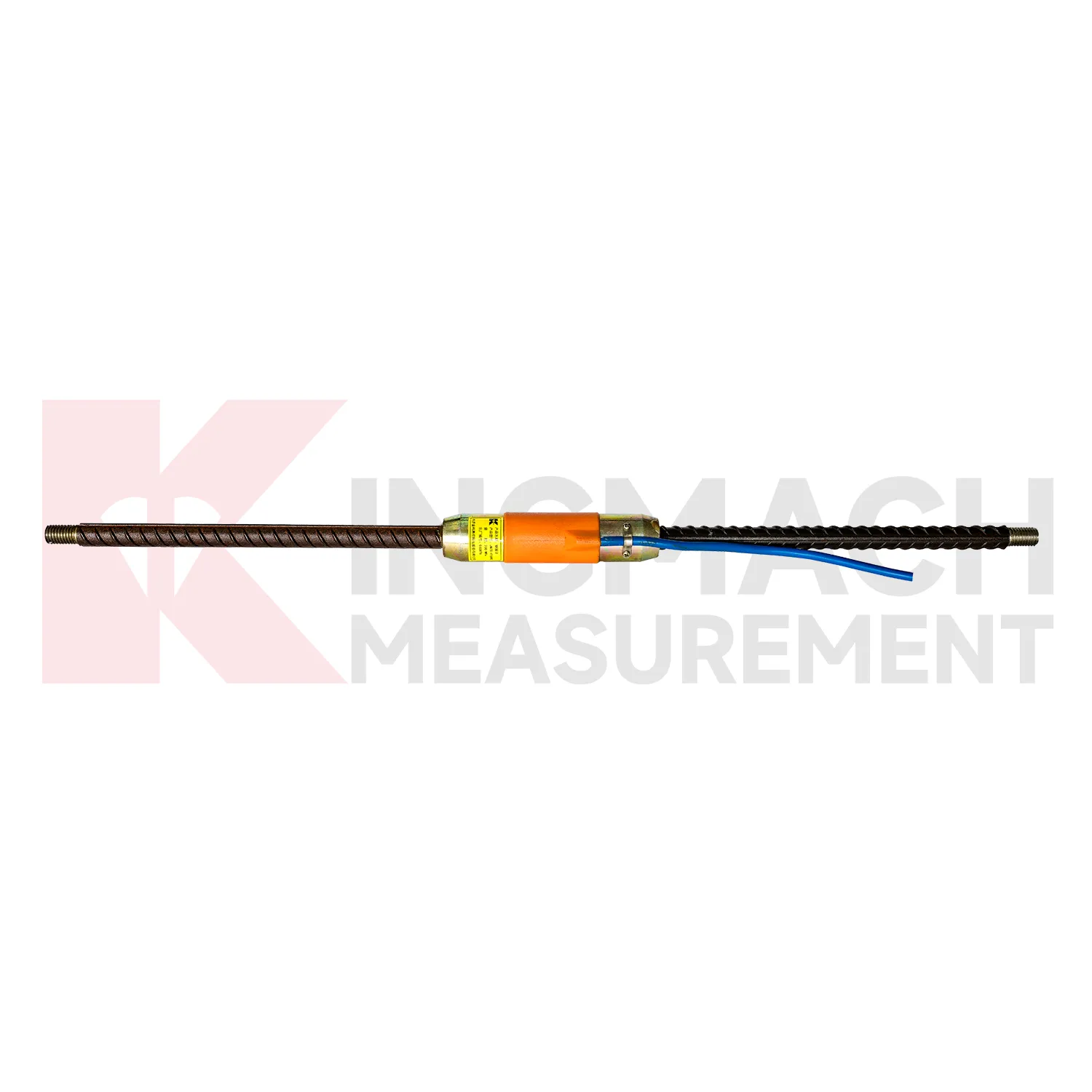
For reinforced concrete work, {keyword} can be installed where the stress path cannot be seen after pouring. Embedded gauges and rebar strainmeters allow engineers to follow internal strain, reinforcement stress, shrinkage, creep, and load transfer inside concrete members. Kingmach's JMZX-215HA/215HAT/HB embedded model is tied to rebar or mounted on brackets before concrete placement, while the JMZX-4XXHAT/HB rebar strainmeter measures stress in reinforcing steel. These instruments are useful in dams, bridges, pile foundations, cut off walls, tunnels, and large buildings. The data helps project teams understand whether the internal structure is carrying load as intended after construction advances. Because the monitoring point is selected around an engineering risk, the reading can support inspection planning, load review, reinforcement work, or acceptance testing. It also gives engineers a cleaner baseline for later comparison. The same data can guide inspection notes and repair timing. Site records matter. That field record supports later inspection.
FAQ
Q: How do I select {keyword} for concrete structures?
A: Use embedded gauges for internal concrete strain, surface gauges for exposed concrete, and rebar strainmeters when reinforcement stress is the main concern.
Q: Which model fits steel structures?
A: JMZX-206HAT is designed for surface welded installation on steel members and covers -1500 to +2500 microstrain.
Q: Can it measure temperature too?
A: Temperature versions can measure the monitoring point temperature, with a thermometer range from -40℃ to +120℃ and ±0.5℃ accuracy on listed models.
Q: What should be checked before installation?
A: Confirm surface preparation, model type, cable route, channel name, acquisition setting, waterproof protection, and calibration data.
Q: Can it connect to automatic data collection?
A: Yes. Kingmach gauges can be paired with comprehensive readouts and automated acquisition systems for unattended measurement.
Reviews
Daniel Brown
Excellent environmental monitoring sensors. The data is consistent, and the system integrates smoothly with our existing setup.
Andrew Lee
The visualization software is intuitive and powerful. It helps us analyze monitoring data efficiently.
Latest Inquiries
To protect the privacy of our buyers, only public service email domains like Gmail, Yahoo, and MSN will be displayed. Additionally, only a limited portion of the inquiry content will be shown.
Olivia***@gmail.comUnited States
Hello, we are currently sourcing high-precision strain gauges and load cells for a bridge monitoring...
Evelyn***@gmail.comSouth Africa
Hi, we are a contractor working on tunnel construction and need settlement sensors and displacement ...