
 EN
 ar
 bg
 hr
 cs
 da
 nl
 fi
 fr
 de
 el
 hi
 it
 ko
 no
 pl
 pt
 ro
 ru
 es
 sv
 tl
 iw
 id
 lv
 lt
 sr
 sk
 sl
 uk
 vi
 et
 hu
 th
 tr
 fa
 ms
 hy
 ka
 ur
 bn
 mn
 ta
 kk
 uz
 ku

high precision digital inclinometer
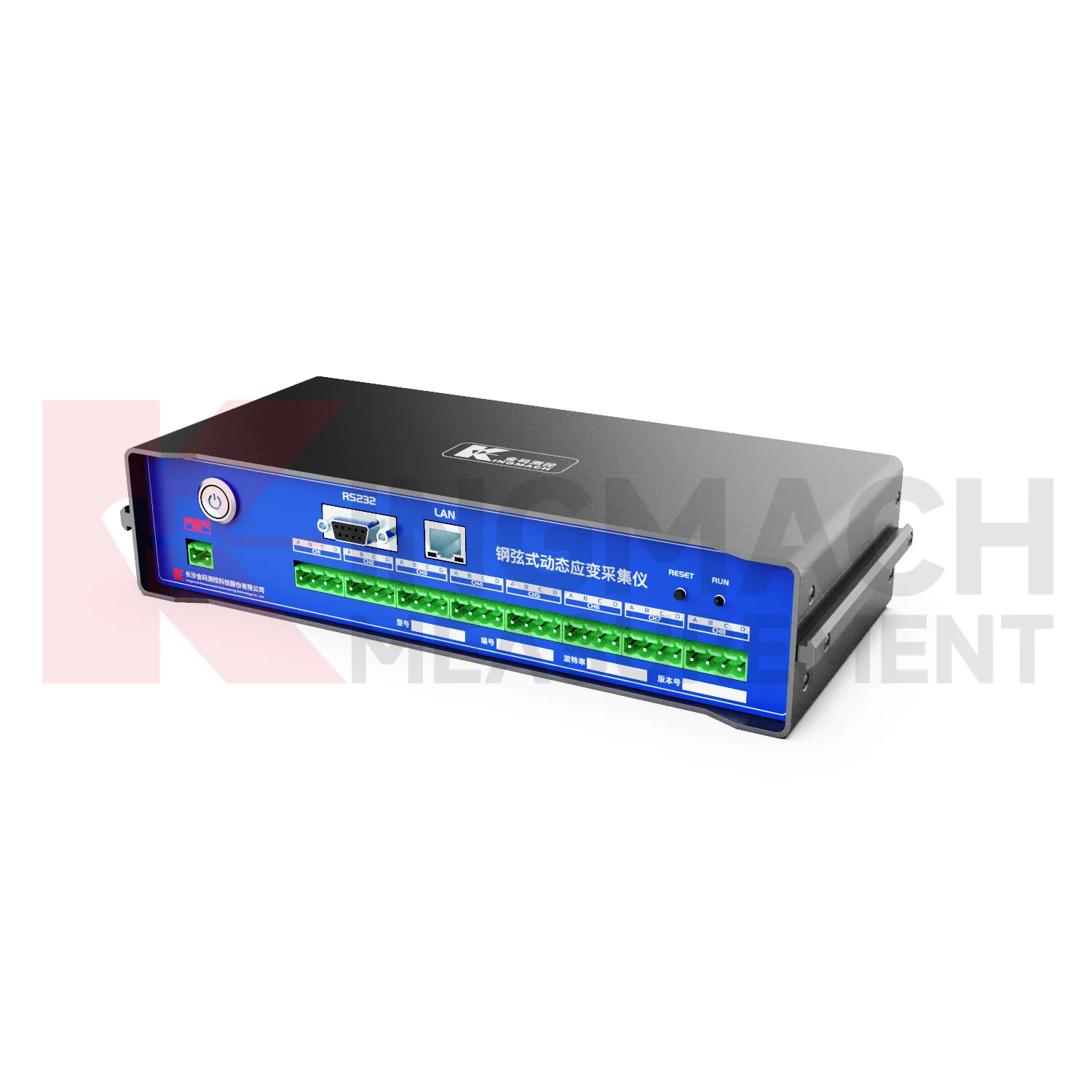
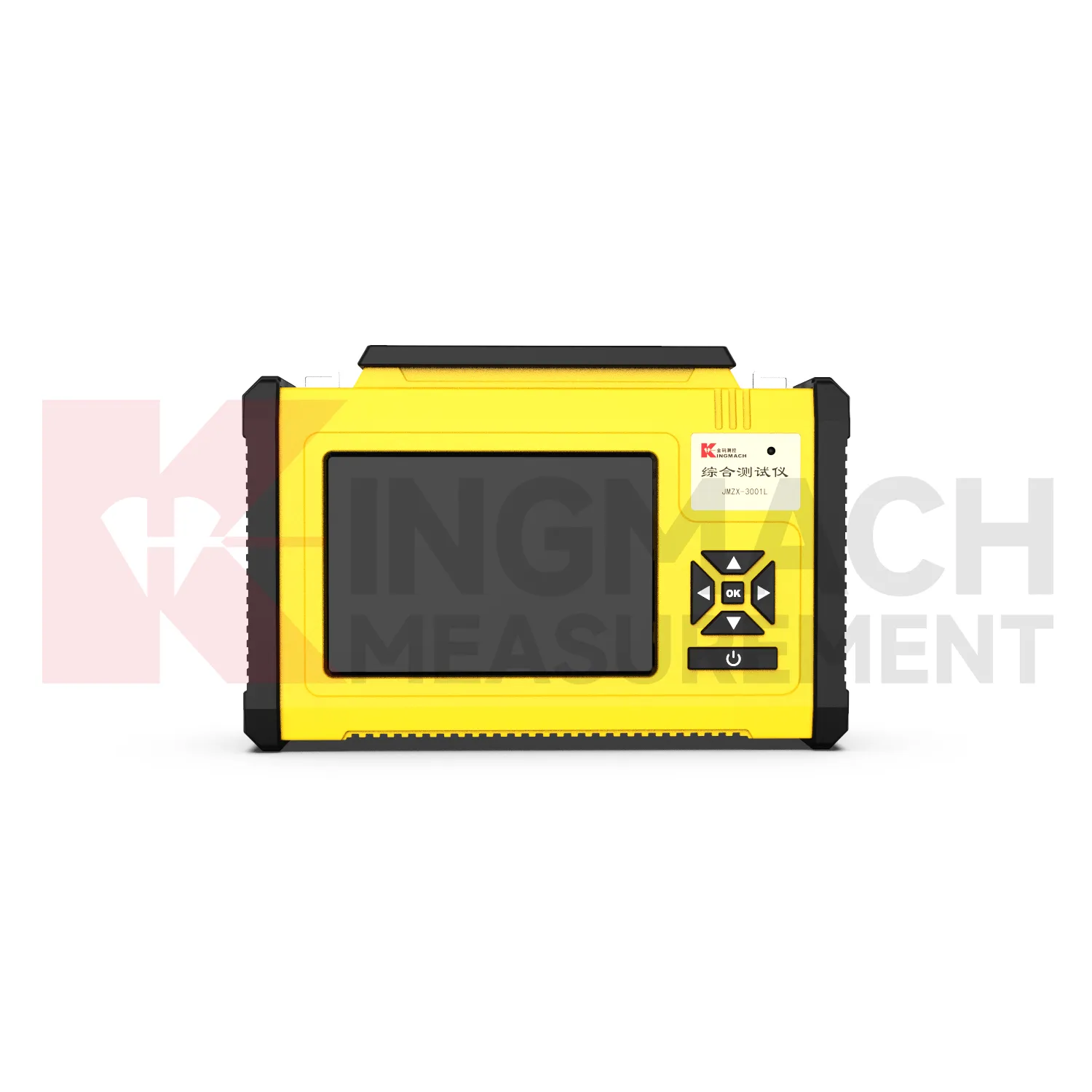
Kingmach high precision digital inclinometer provide acquisition support for projects where readings must remain traceable long after the first inspection round has ended. A single number rarely explains the condition of a structure by itself. Engineers need the measuring point, time, operating mode, instrument status, field activity, and reviewer responsibility to stay connected as one usable record. Portable units help crews confirm sensors during installation, investigate doubtful values, and take comparison readings during maintenance visits. Fixed and wireless units help the owner keep a regular history when the station is difficult to reach or when readings are needed outside normal working hours. The acquisition plan should define how channel names are created, how files are exported, who checks missing readings, who confirms alarms, and how corrected notes are preserved. This is especially important on bridges, tunnels, dams, slopes, railways, deep excavations, and industrial test areas where several teams may handle the same station over time. When the logger, readout, communication path, and reporting process are arranged as one operating chain, long-term monitoring becomes easier to audit, compare, and hand over without losing the meaning behind the measured values. During procurement, it also helps to confirm whether the instrument will be used by trained monitoring staff, general site personnel, or a remote service team, because each working pattern affects display clarity, file handling, enclosure access, communication recovery, and daily checking routines.
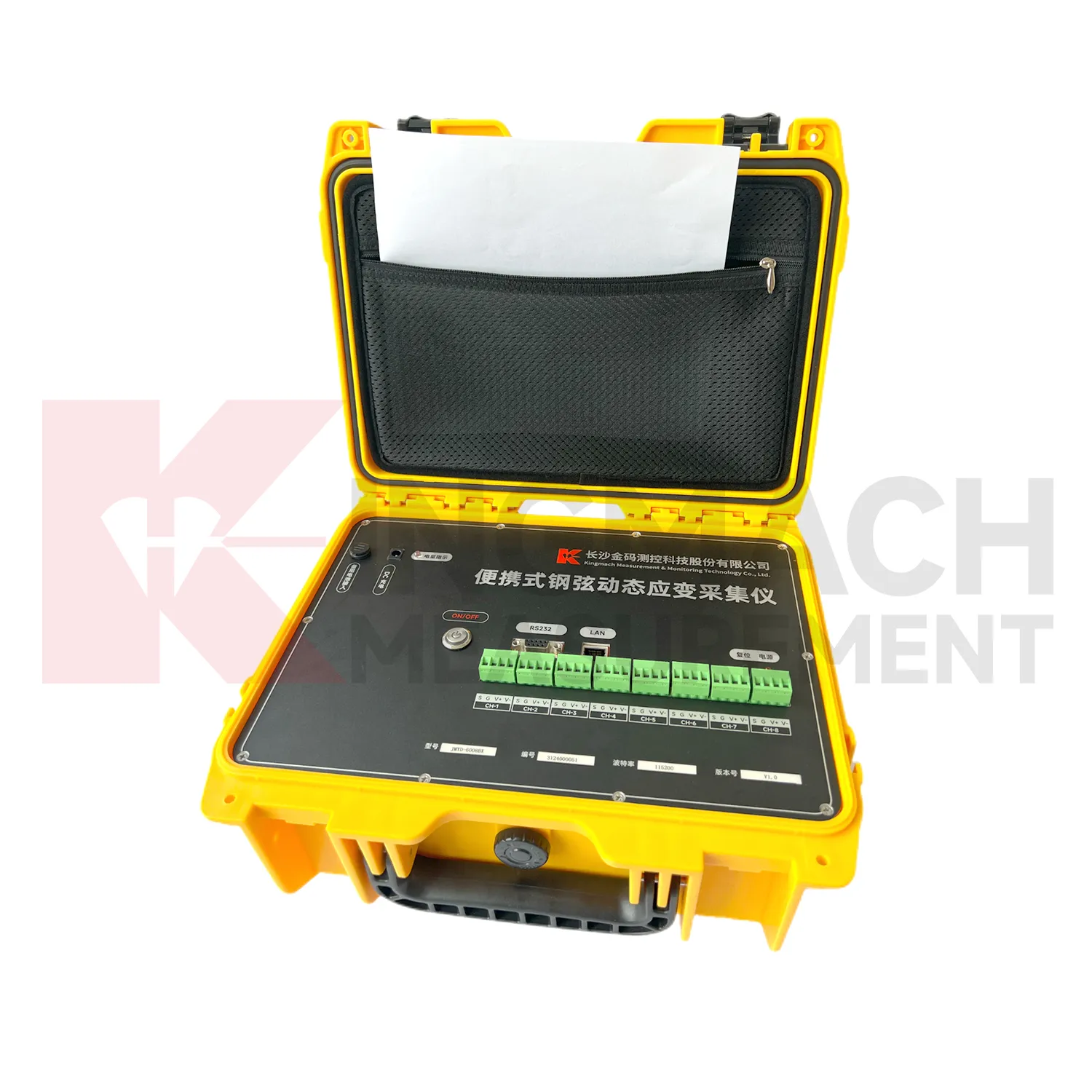
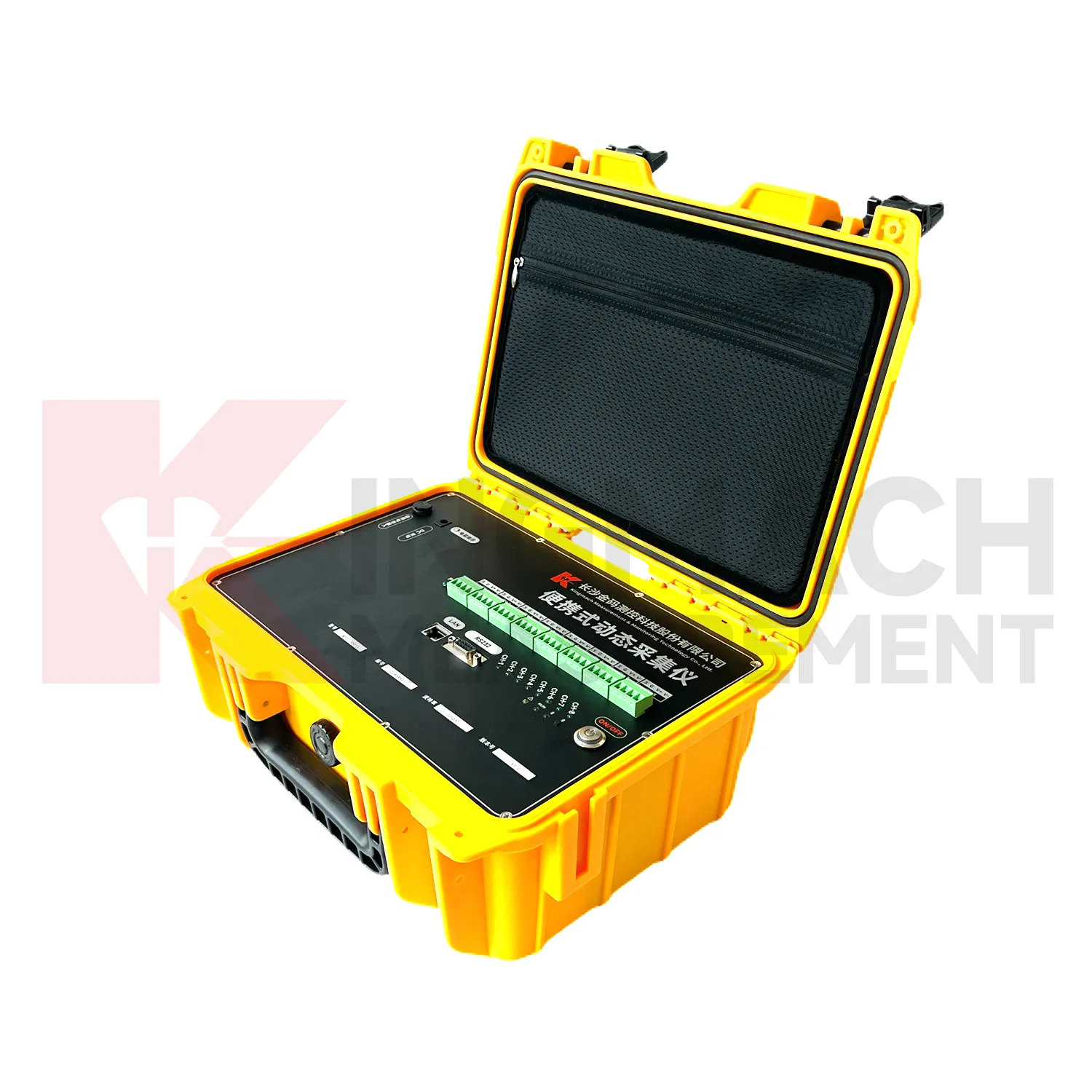
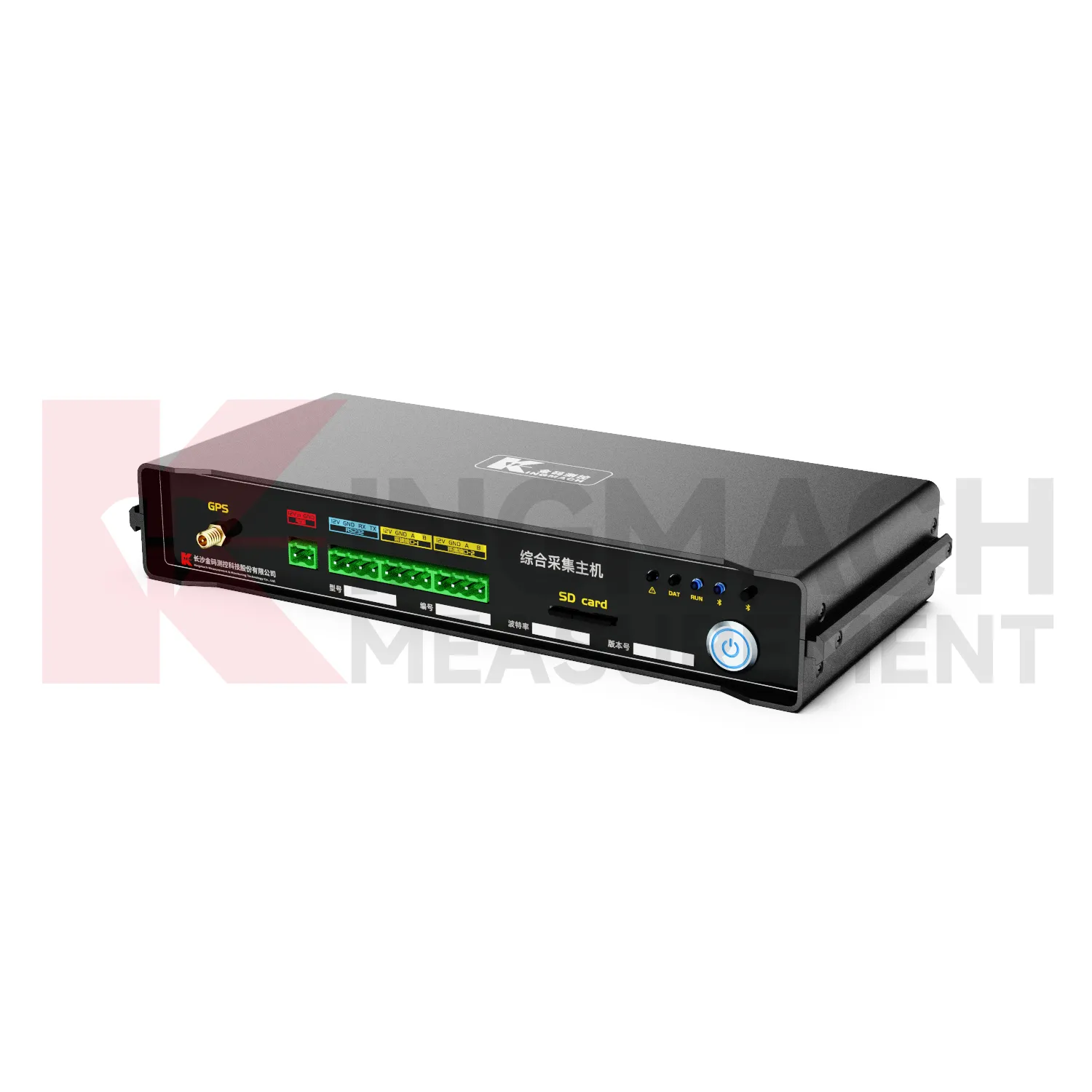
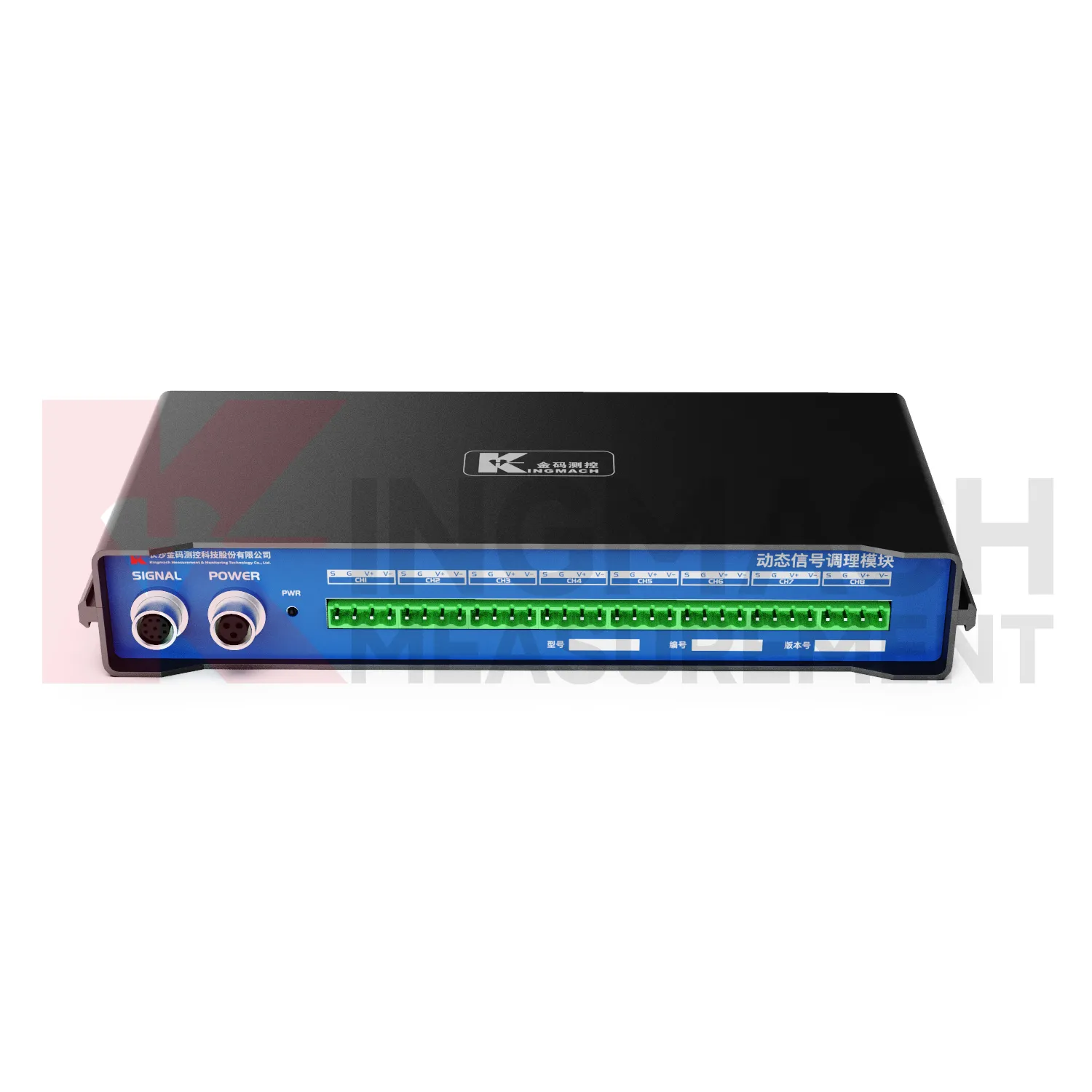
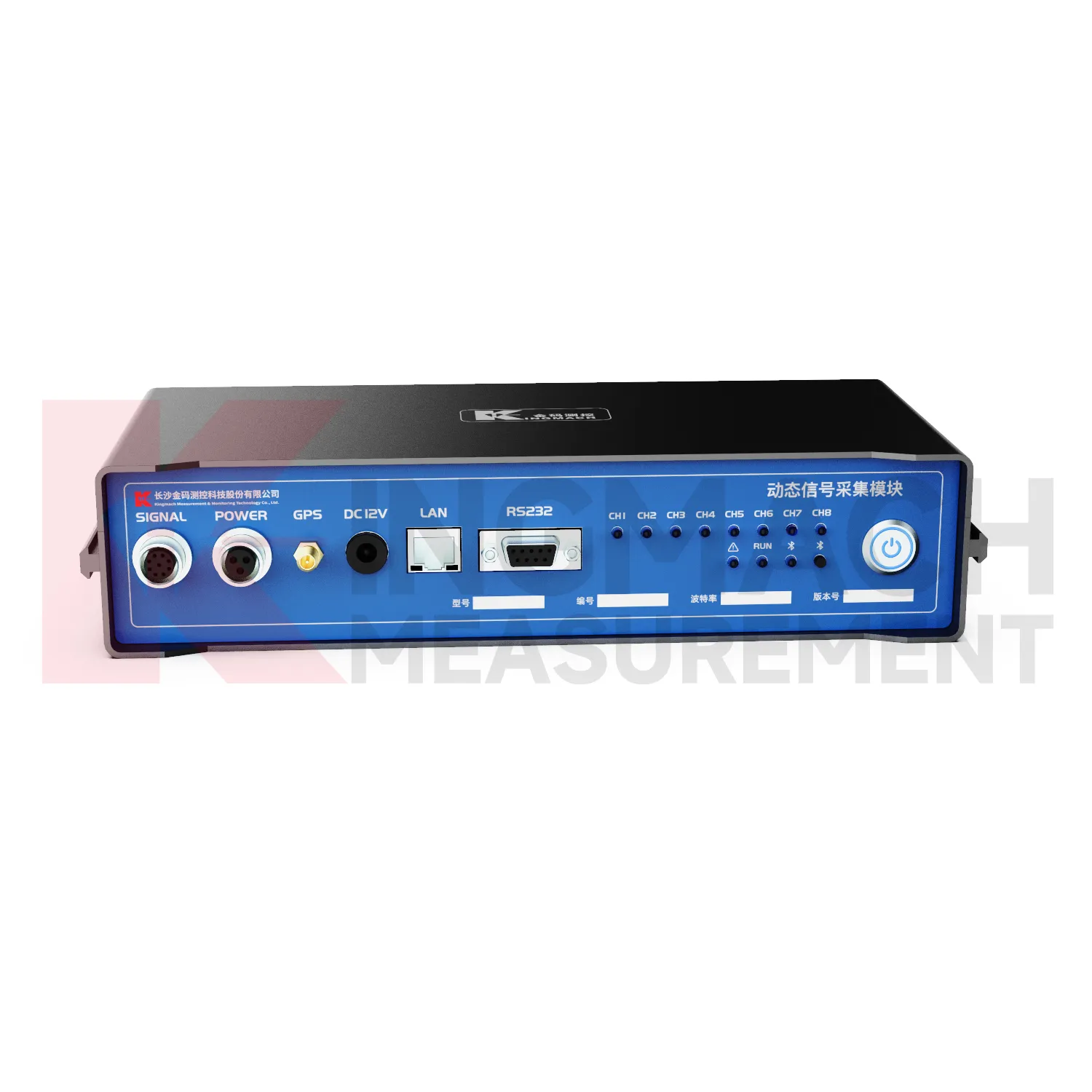
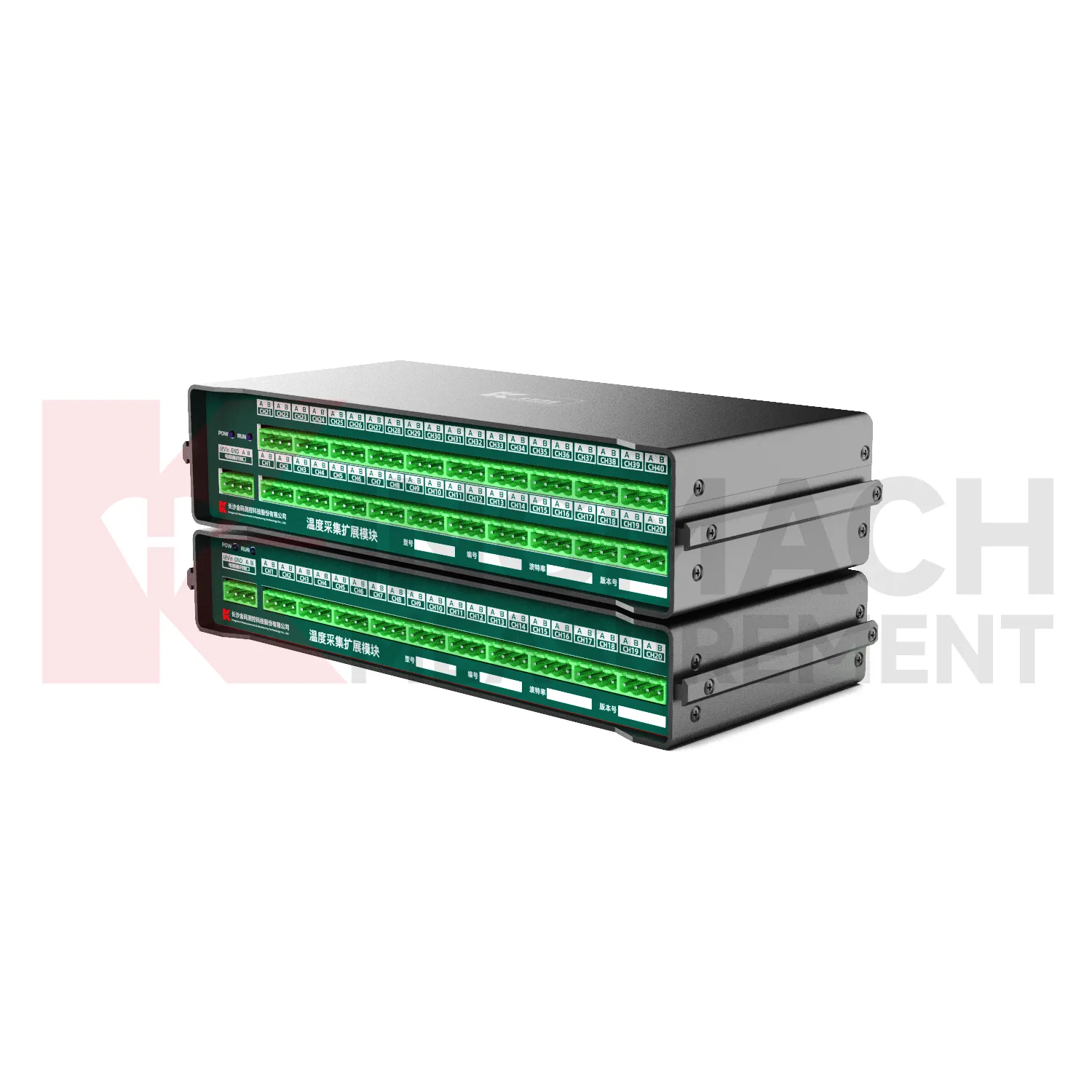
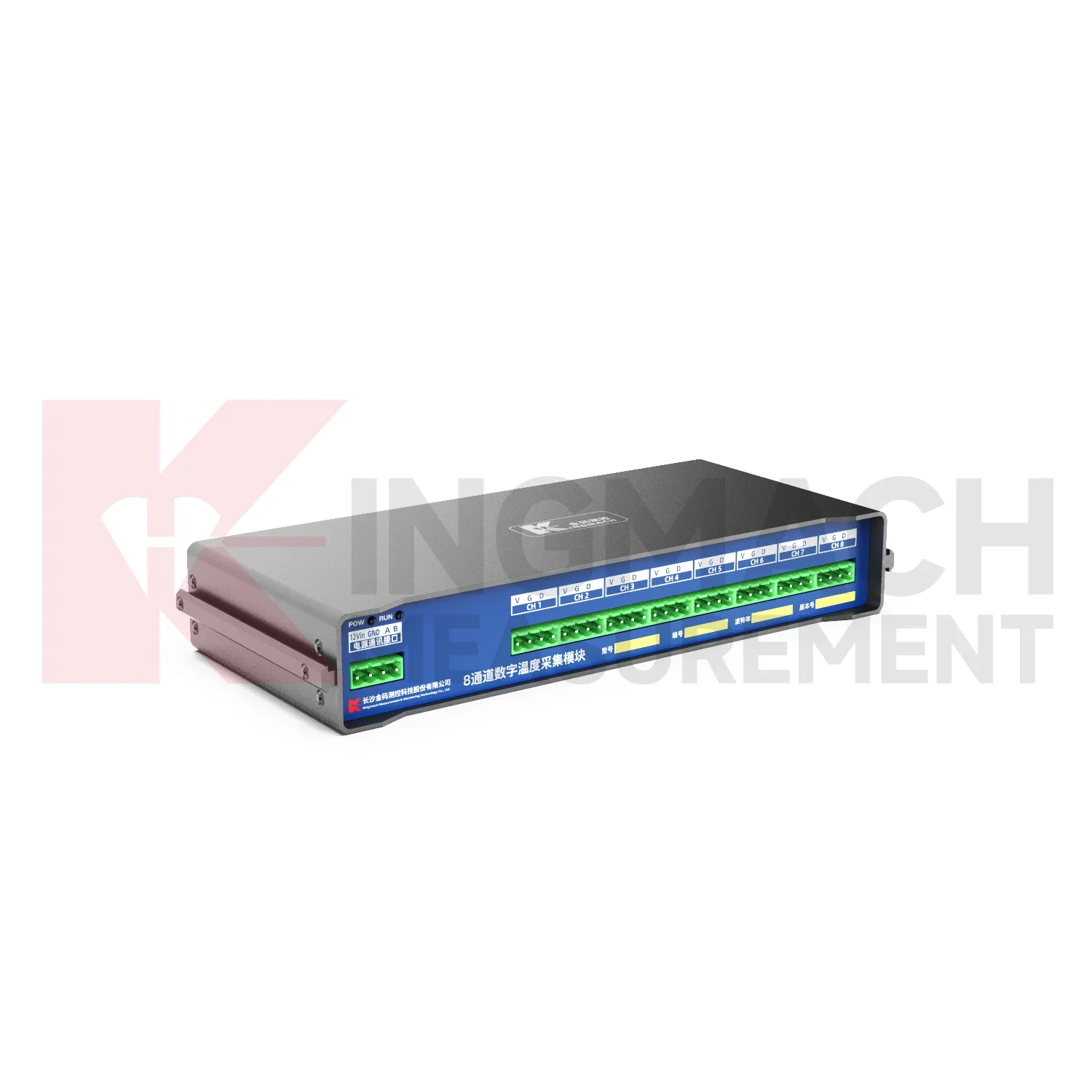
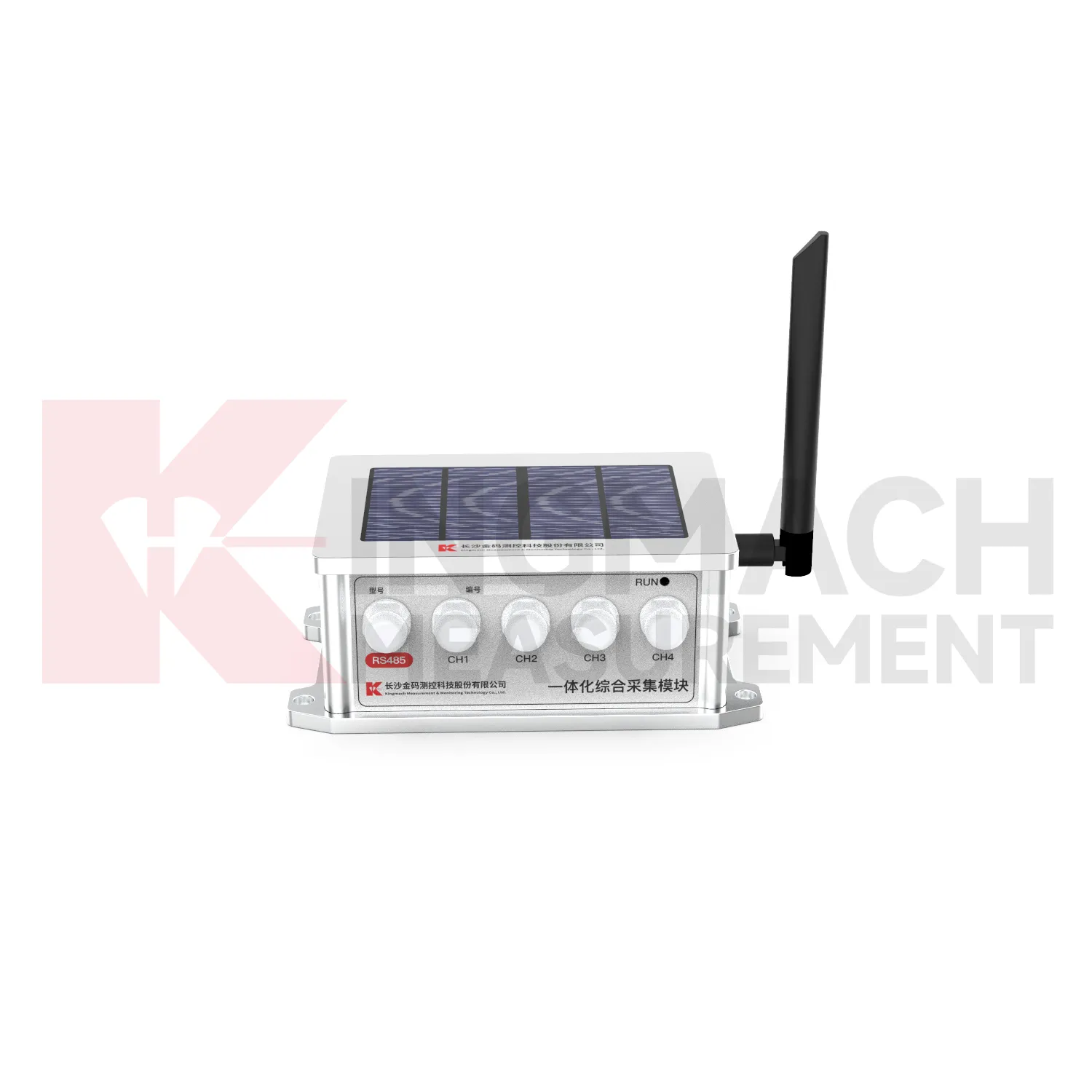
Application of high precision digital inclinometer
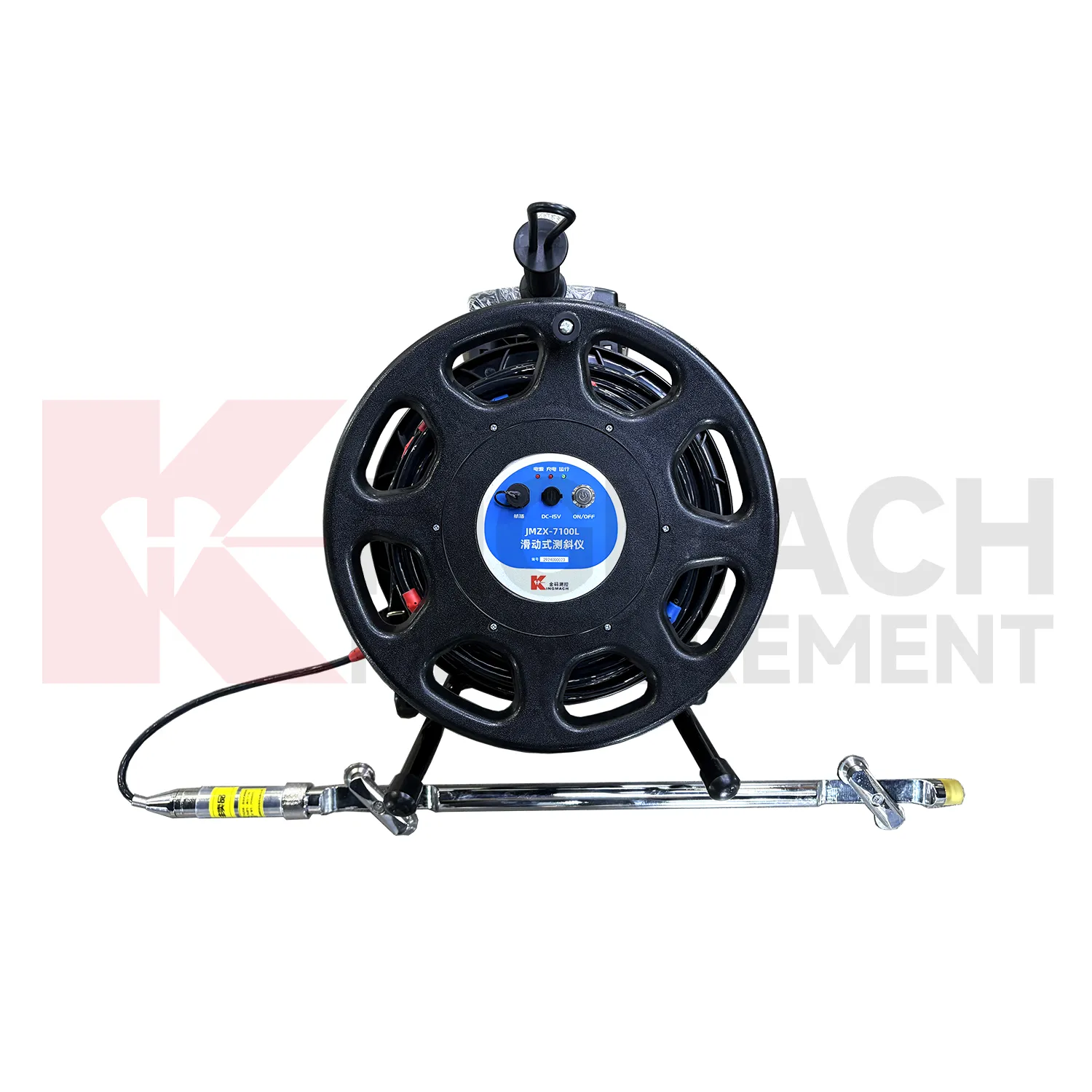
Dam and hydraulic projects use Kingmach high precision digital inclinometer to collect readings from strain gauges, displacement points, seepage instruments, water-related sensors, and environmental stations. A dam gallery or remote auxiliary structure may not be convenient for frequent manual visits, so fixed or wireless data loggers can improve continuity. Portable readouts remain useful for verification, maintenance checks, and sensor replacement. The acquisition plan should define which records support routine operation, which records support safety review, and which records are temporary construction measurements. Stable channel naming is important because dam projects often keep data for many years and may be reviewed by different teams across operation, inspection, and maintenance cycles. In hydraulic works, long-term comparability is especially important. A reading from a gallery, spillway, slope, or seepage point should remain traceable after seasonal changes, repairs, or inspection campaigns. The data logger history should show when a point was checked, when a device was serviced, and whether communication or power condition affected the record. This helps dam owners keep monitoring evidence usable through operation and maintenance. It also supports comparison with water level, rainfall, seepage, temperature, and inspection notes when abnormal behavior needs engineering review. across operating seasons. with clear responsibility. over time. reliably. safely.
The future of high precision digital inclinometer
Future Kingmach high precision digital inclinometer will support cleaner integration between portable field checks and automatic data logging. A technician may verify a sensor with a handheld readout, then connect the same point to a logger for routine acquisition. The future workflow should keep these records aligned through consistent channel names, sensor identities, time stamps, and handover notes. This helps owners compare first values, commissioning checks, maintenance readings, and automatic trends without rebuilding the record manually. Better continuity will reduce confusion when projects move from installation to long-term operation. Future systems can also keep the first verified reading beside the later automatic trend. If a sensor is repaired, replaced, or moved, the handover note can show where the continuity changed. This will help owners understand whether a trend shift came from the monitored structure, the sensor point, or the acquisition setup. This continuity is especially useful when commissioning records must remain comparable with long-term operation data.
Care & Maintenance of high precision digital inclinometer
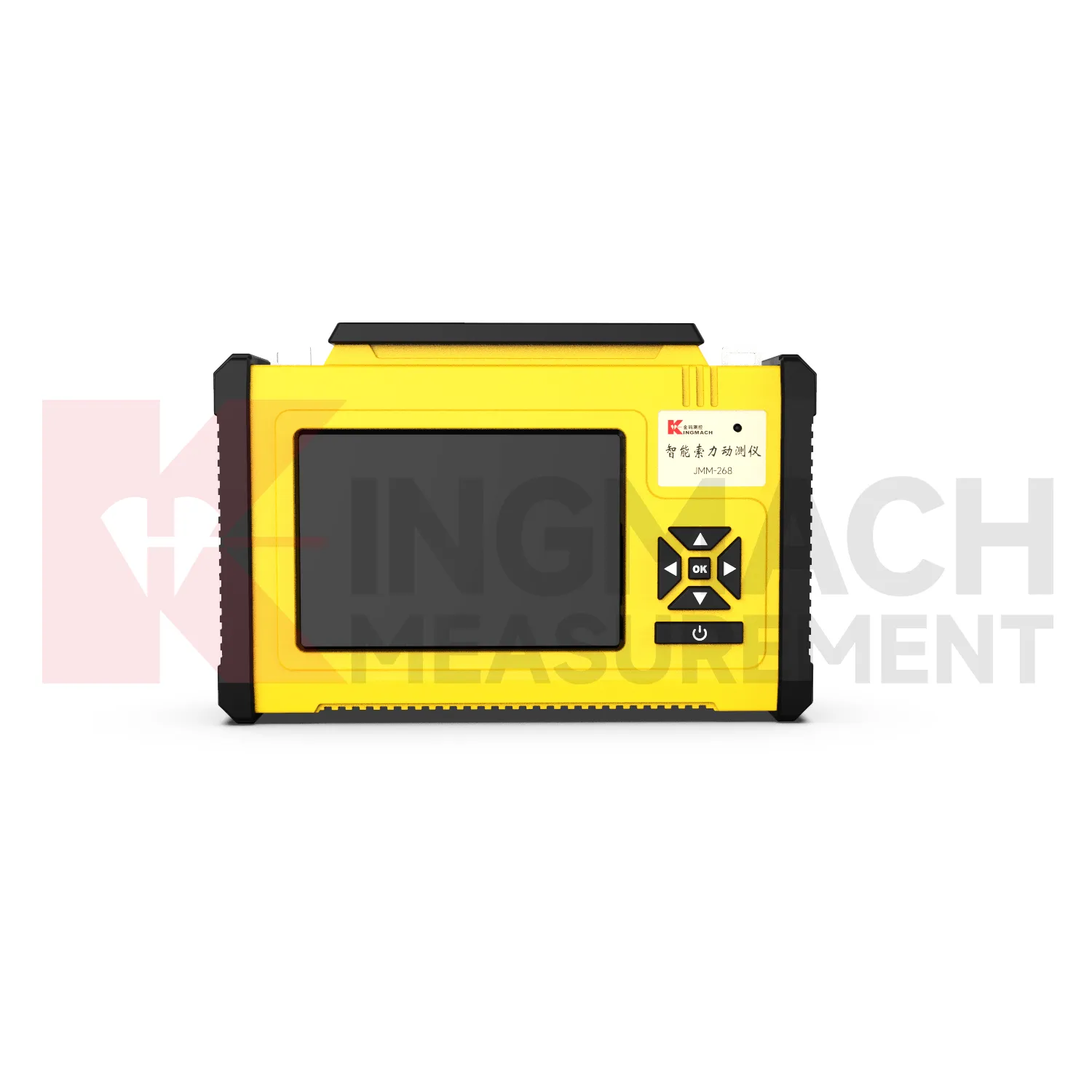
Portable readout maintenance for Kingmach high precision digital inclinometer should focus on field readiness. Before an inspection route, check battery charge, display condition, connectors, storage space, sensor cables, and export method. Field crews should also confirm that the device time is correct because time stamps are part of the monitoring record. After the route, export and back up readings before the next job overwrites or confuses the file. A readout that is ready before the visit saves time on site and reduces the chance of returning for missed measurements. Field readiness also includes route planning. The operator should know which sensors need verification, which cable adapters are required, and where previous values are stored for comparison. After the visit, any unusual reading should be linked with a point name and site condition. This keeps portable measurements useful after the crew has moved to the next structure. and supports later reporting. for owners. consistently.
Kingmach high precision digital inclinometer
In structural health monitoring, Kingmach high precision digital inclinometer help turn distributed sensor points into organized evidence. A bridge may use strain, acceleration, temperature, displacement, and cable force records. A slope may use displacement, pore pressure, rainfall, and tilt records. A tunnel may use convergence, settlement, seepage, and vibration records. Each point has a different physical meaning, so the acquisition system must keep data organized by location and purpose. Readouts and loggers support that organization when they preserve channel identity, measurement time, sensor type, and field notes instead of leaving disconnected numbers in separate files. For remote stations, the acquisition interval, upload status, battery condition, enclosure condition, and last maintenance visit should remain visible so unattended monitoring does not become a blind record. For dynamic tests, timing accuracy, event naming, channel synchronization, and signal conditioning help the team compare motion or strain events with construction activity, traffic, wind, or machinery operation. During handover, photos, channel maps, sensor lists, communication settings, and normal baseline examples help the next team continue review without rebuilding the monitoring history from scattered files.
FAQ
Q: What affects data reliability?
A: Power condition, cable connection, enclosure protection, channel labels, sensor compatibility, time settings, storage status, and field notes all affect reliability.
Q: What should be checked after maintenance?
A: Check the affected channel, first stable reading, cable route, device setting, power status, communication status, and whether the maintenance note is attached to the record.
Q: Why keep raw records?
A: Raw records allow engineers to review the original measurement behavior before filtering, summarizing, or comparing values with other site information.
Q: How do dynamic acquisition devices help?
A: They capture short events such as vibration, train passage, impact, blasting, or machinery activity with timing and channel information needed for later review.
Q: How can data gaps be reduced?
A: Use stable power, suitable acquisition intervals, protected enclosures, clear maintenance routines, communication checks, and scheduled data review. The record stays useful when point names, channel labels, sensor type, measurement time, and field condition are kept together, because later reviewers can connect the number with the actual structure and inspection history.
Reviews
David Wilson
We purchased displacement transducers and settlement sensors, and the quality exceeded our expectations. Easy installation and reliable performance.
Joshua Clark
We ordered a full monitoring solution including sensors and data loggers. Everything works seamlessly together. Great supplier!
Latest Inquiries
To protect the privacy of our buyers, only public service email domains like Gmail, Yahoo, and MSN will be displayed. Additionally, only a limited portion of the inquiry content will be shown.
Ava***@gmail.comAustralia
Hi, I am looking for reliable tiltmeters and accelerometers for structural health monitoring. Please...
Charlotte***@gmail.comUnited Arab Emirates
Hi, we require instrumentation cables suitable for harsh environments. Could you advise on specifica...
Related product categories
- Portable Vibrating Wire Dynamic Strain Data Logger
- Vibrating Wire Strain Data Logger
- Portable Dynamic Strain Tester
- Intelligent Readout Unit
- Single/Dual Channel Cable Force Dynamic Tester
- Temperature Compensation Module
- Data Transfer Unit (DTU)
- Multichannel Dynamic Signal Acquisition System
- Signal Conditioning Module
- Portable Vibration Analyzer
- Modal Testing System
- Multifunctional Data Acquisition Expansion Module