
 EN
EN
 ar
ar bg
bg hr
hr cs
cs da
da nl
nl fi
fi fr
fr de
de el
el hi
hi it
it ko
ko no
no pl
pl pt
pt ro
ro ru
ru es
es sv
sv tl
tl iw
iw id
id lv
lv lt
lt sr
sr sk
sk sl
sl uk
uk vi
vi et
et hu
hu th
th tr
tr fa
fa ms
ms hy
hy ka
ka ur
ur bn
bn mn
mn ta
ta kk
kk uz
uz ku
ku
Temperature Acquisition Expansion Module
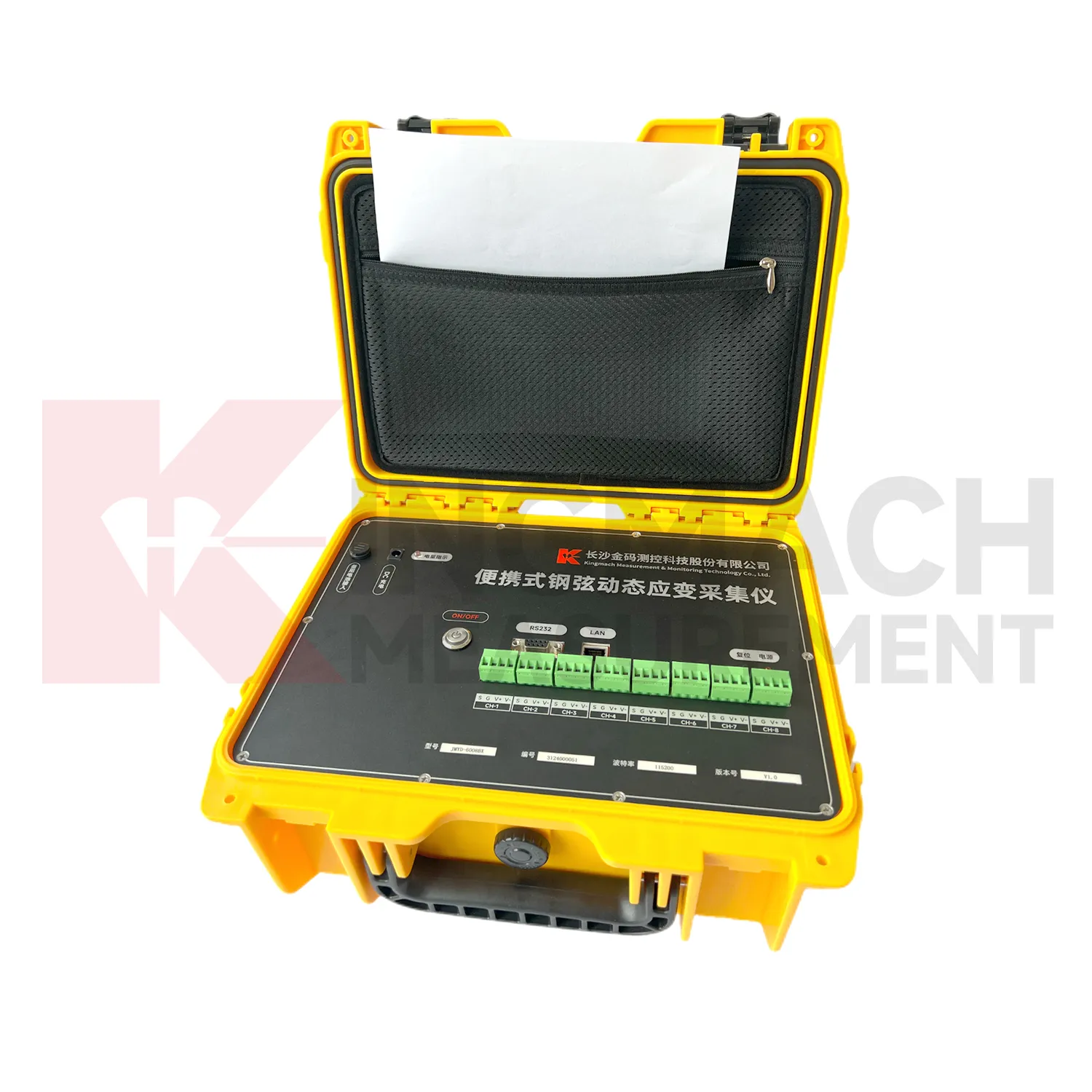
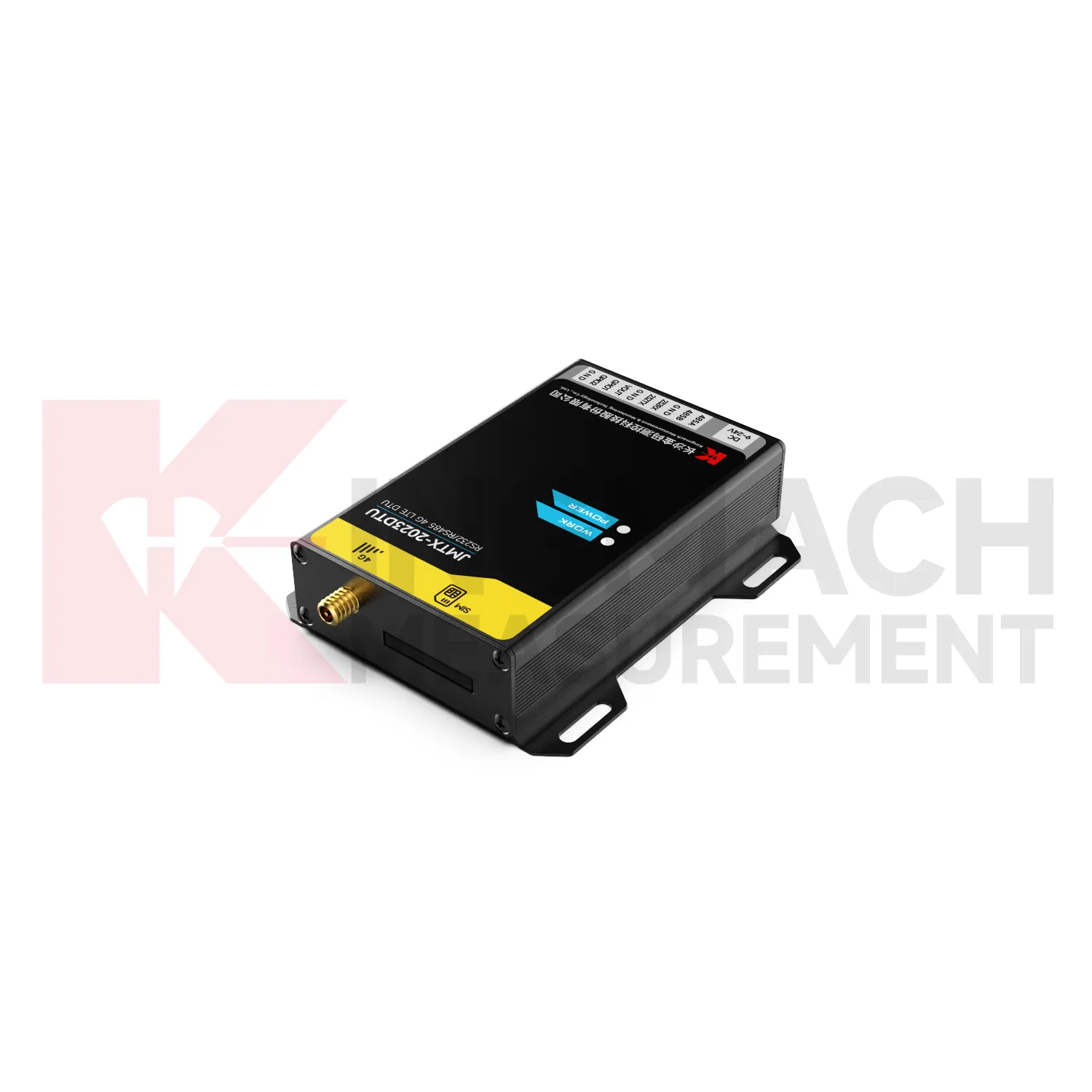
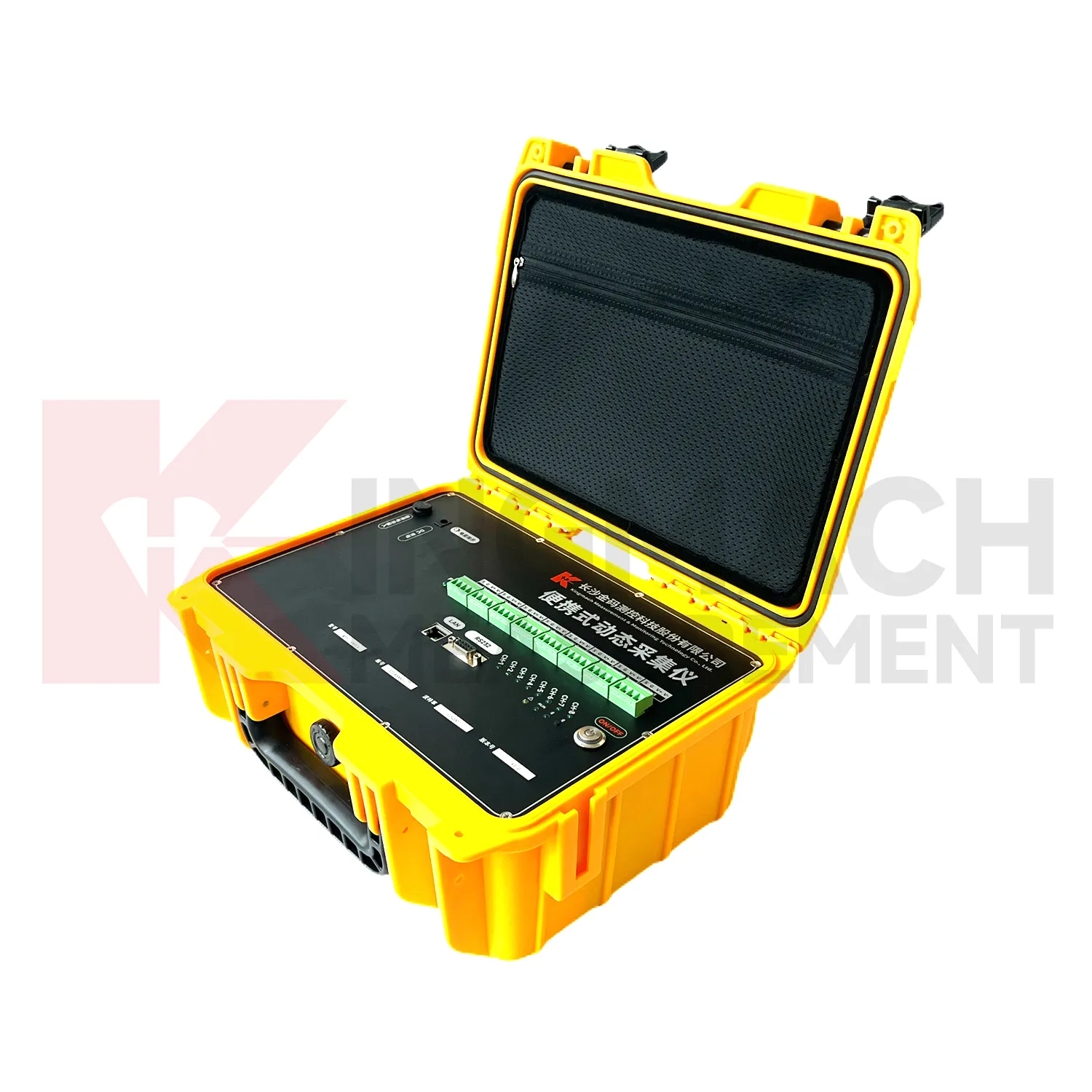
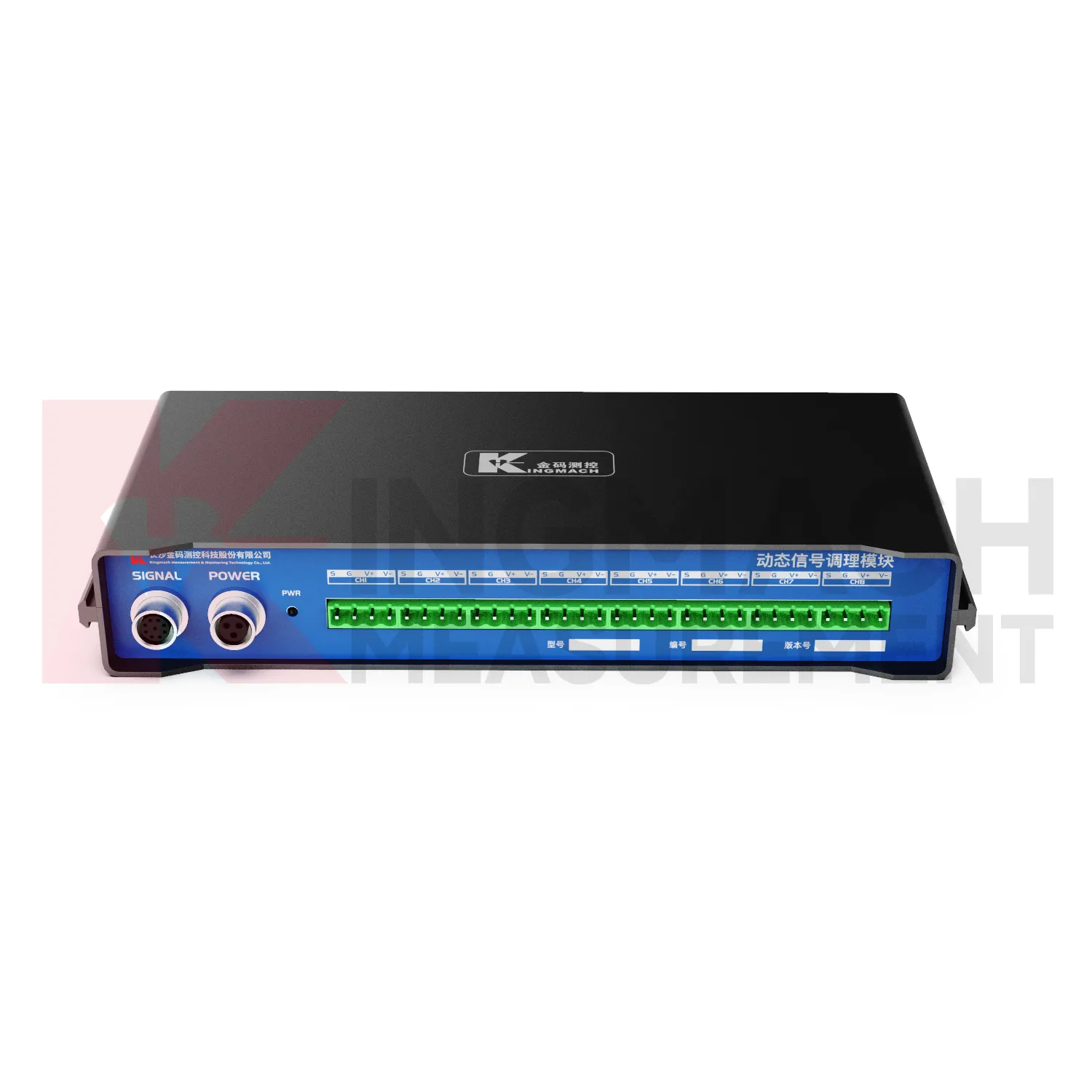
Kingmach Temperature Acquisition Expansion Module include portable readouts, dynamic acquisition instruments, wireless loggers, and integrated acquisition units for monitoring projects that use many sensor types. The product category supports vibrating wire sensors, digital instruments, temperature points, dynamic signals, and multi-channel field records. A portable comprehensive readout can help technicians confirm sensor output during installation and inspection. A wireless logger can acquire RS485 digital sensor data, schedule measurements, and upload records from remote stations. Dynamic acquisition equipment can capture synchronized signals for strain, vibration, acceleration, velocity, displacement, inclination, or differential pressure. The buyer should evaluate the monitoring task before selecting the device. A dam gallery, bridge cable test, tunnel vibration check, and slope safety station all place different demands on power, storage, communication, channel count, and review speed. The record stays useful when point names, channel labels, sensor type, measurement time, and field condition are kept together, because later reviewers can connect the number with the actual structure and inspection history. For mobile testing, the operator also needs clear channel naming, stable sensor connection, charged power, and a short note about the test condition before the instrument is moved to the next point. For remote stations, the acquisition interval, upload status, battery condition, enclosure condition, and last maintenance visit should remain visible so unattended monitoring does not become a blind record.
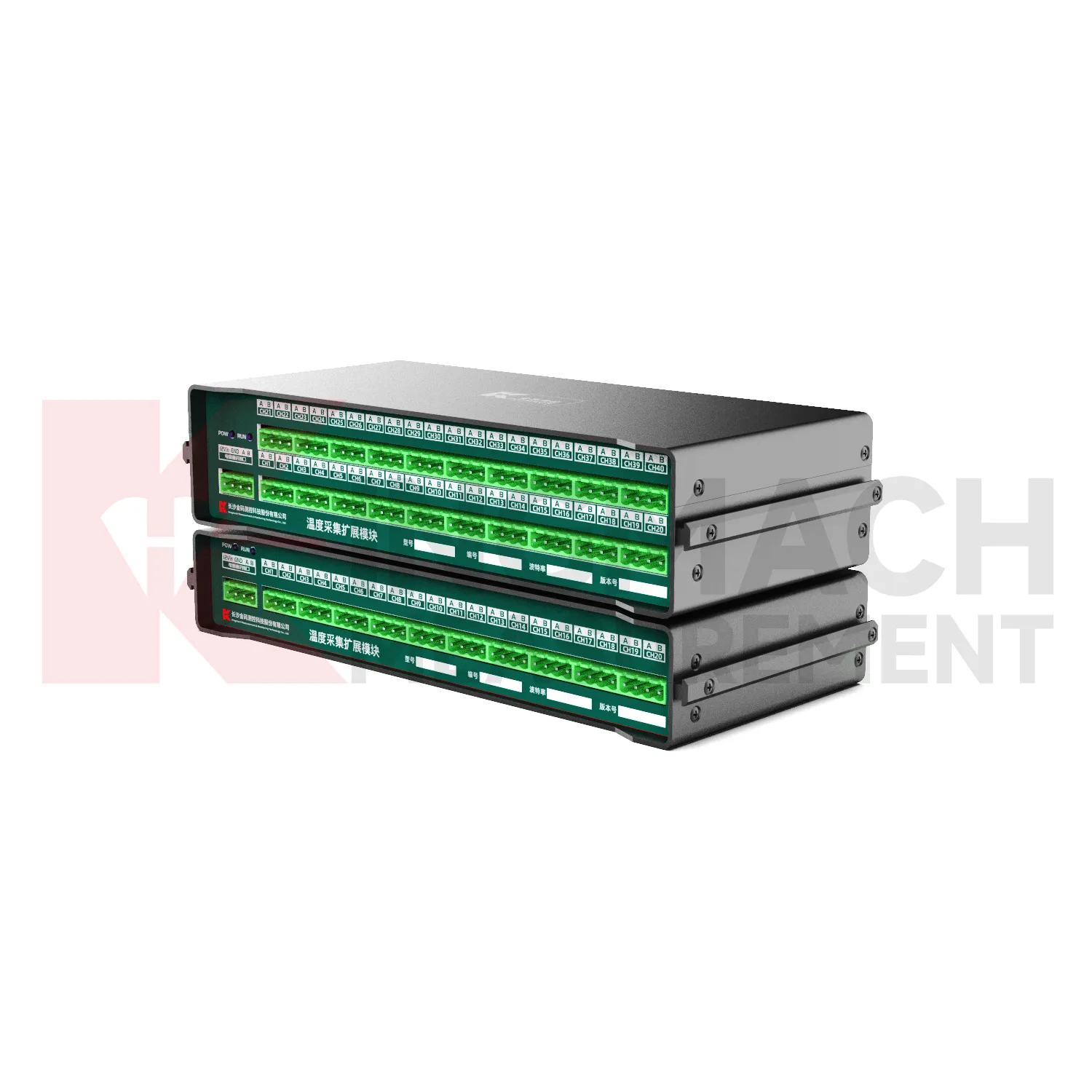
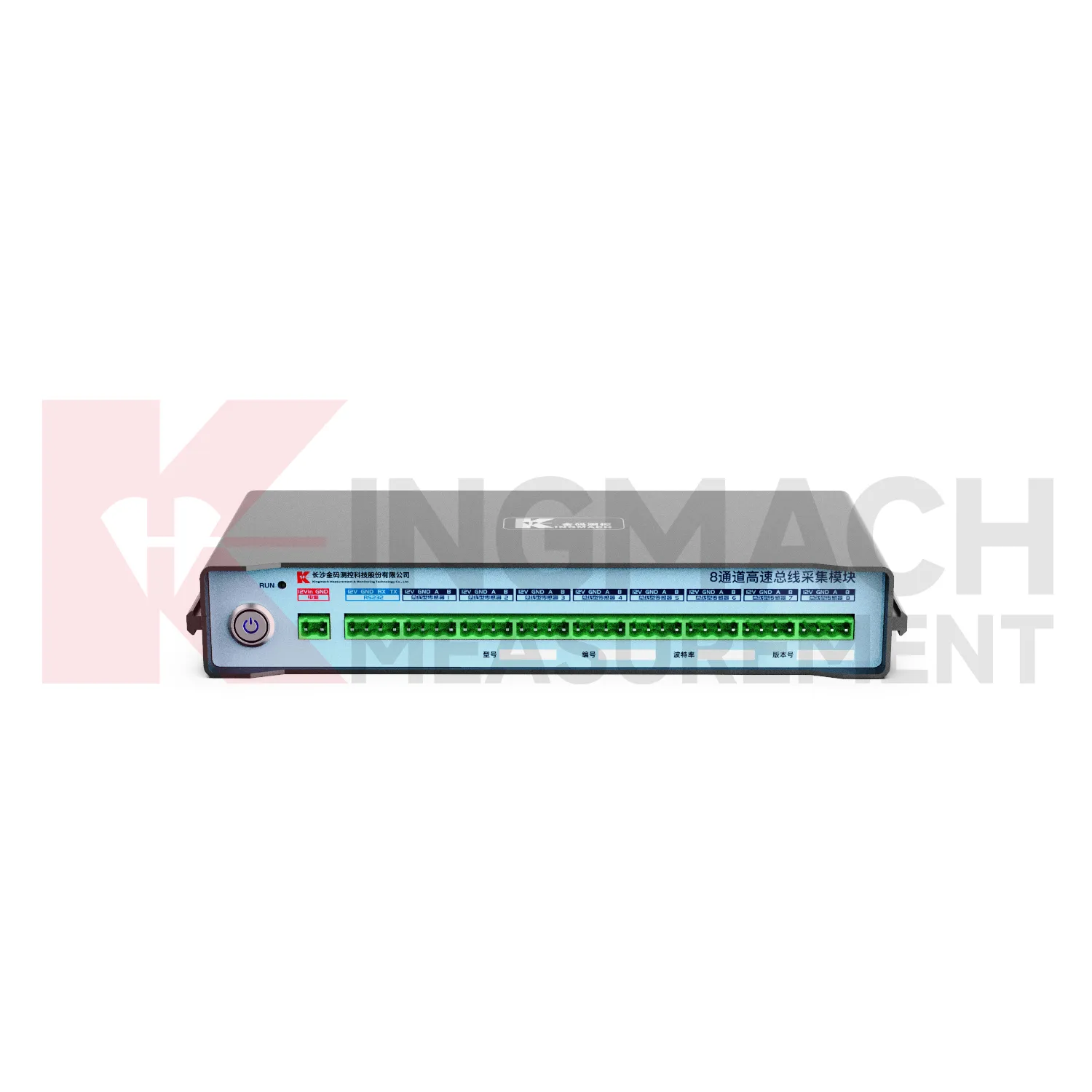
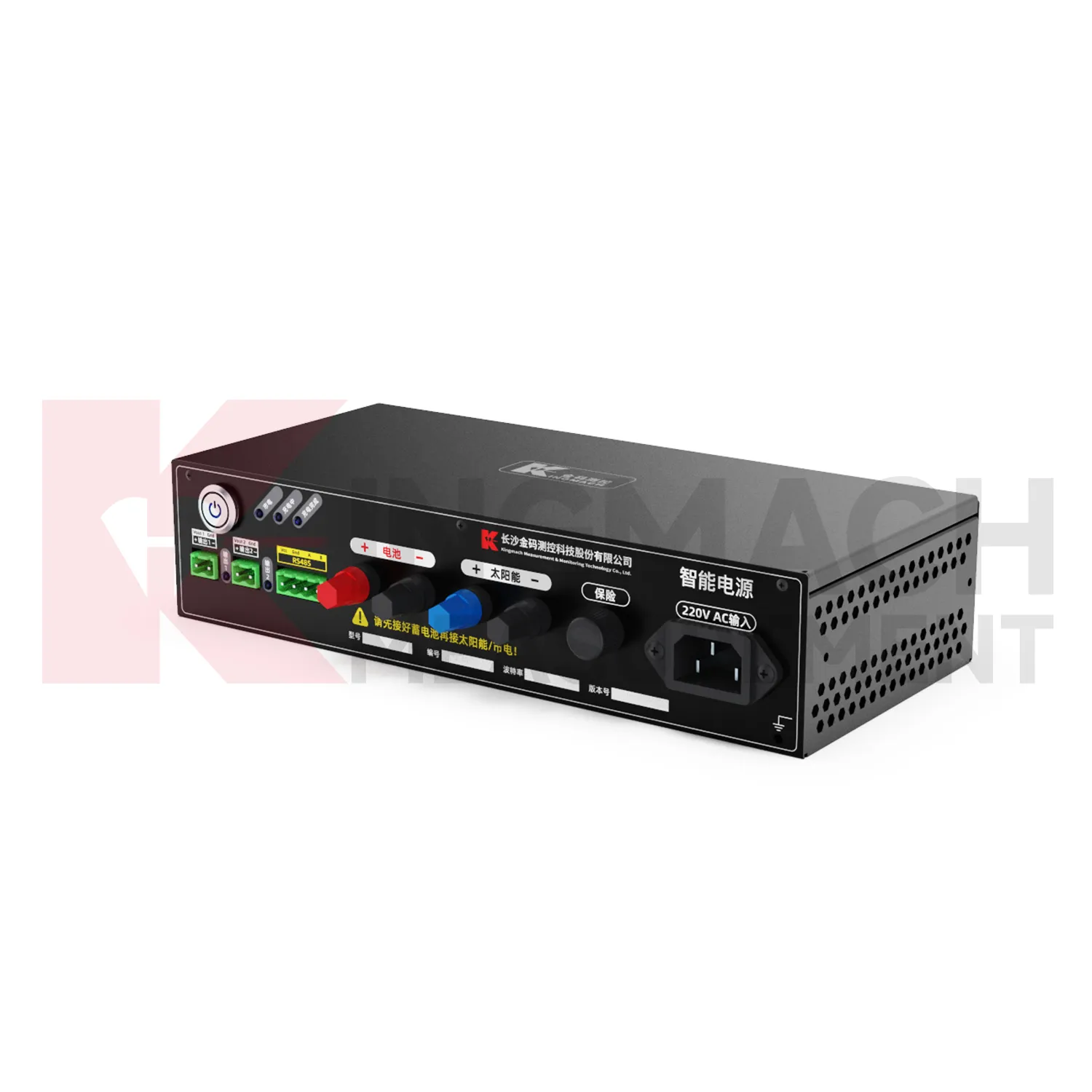
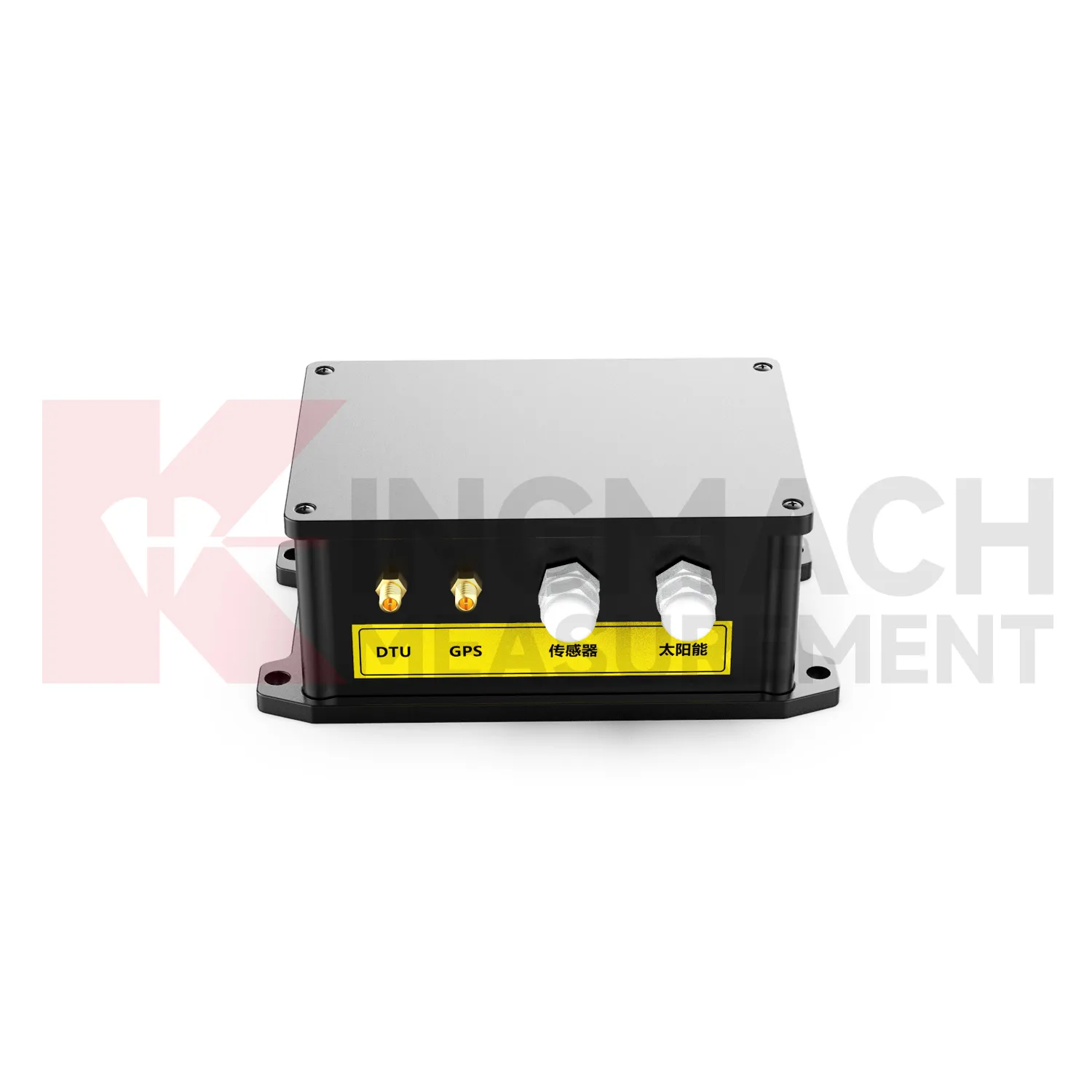
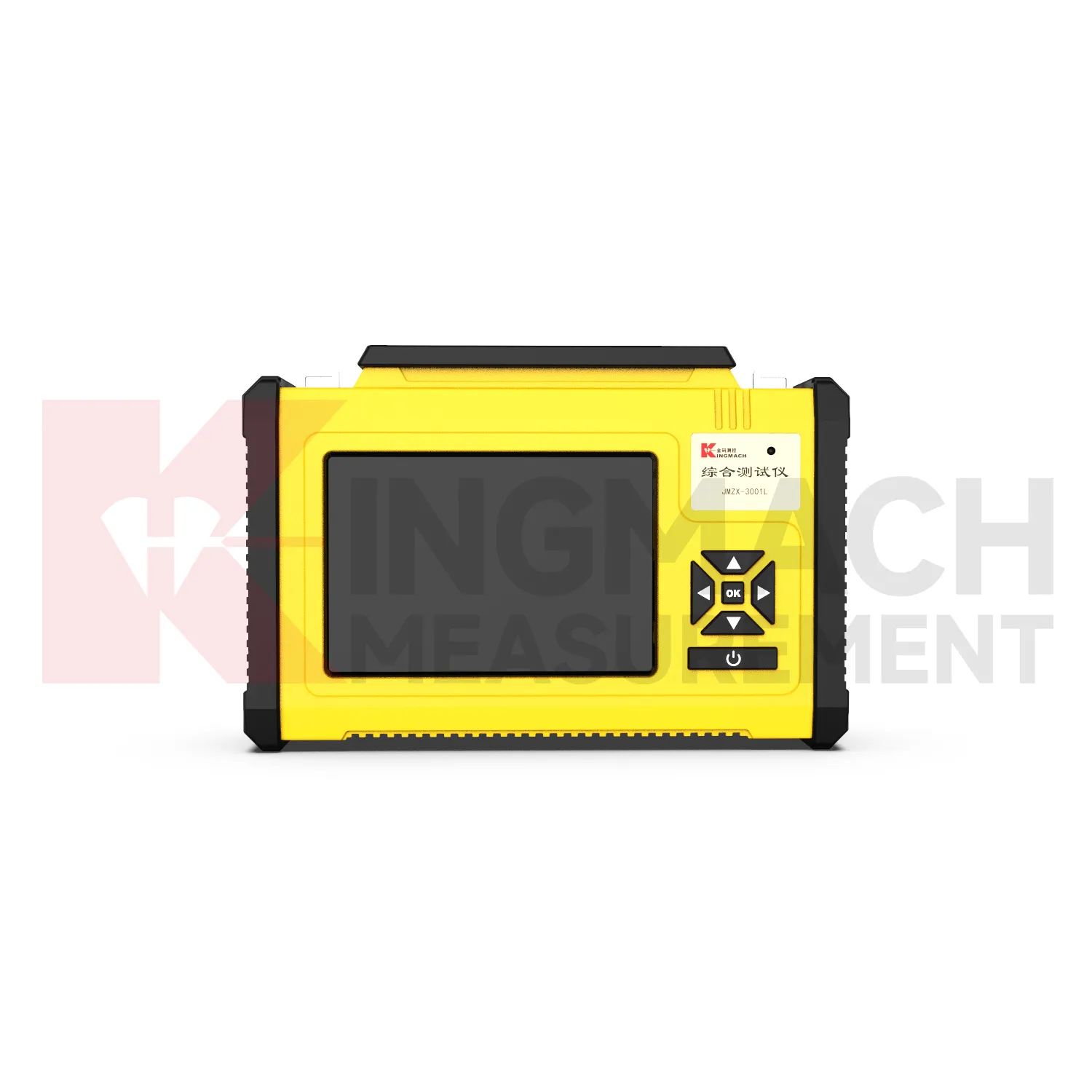
Application of Temperature Acquisition Expansion Module
Mining, nuclear plant, and civil infrastructure monitoring can use Kingmach Temperature Acquisition Expansion Module where remote or safety-related locations require dependable acquisition. Wireless data loggers reduce the need for repeated manual entry in areas with difficult access. Portable readouts help technicians verify sensor condition during scheduled inspections. Dynamic or multi-channel equipment supports event capture when movement or strain changes quickly. These projects often need strict record discipline because later review may involve construction managers, safety engineers, owners, and maintenance teams. The acquisition system should keep measurement time, point identity, device status, and maintenance history visible so abnormal readings can be reviewed with the proper context. Safety-related stations also need clear evidence of device health. If a remote logger misses uploads, loses power, or reports a suspicious value, the team should know whether the concern comes from the site or from the acquisition chain. Battery history, enclosure notes, access records, and upload status help engineers decide which field action should happen first. For high-consequence infrastructure, this traceability supports faster review during abnormal periods and reduces uncertainty when multiple teams share responsibility for monitoring, maintenance, and reporting. The device record can also support audits, emergency review, and long-term asset documentation when access to the station is limited.
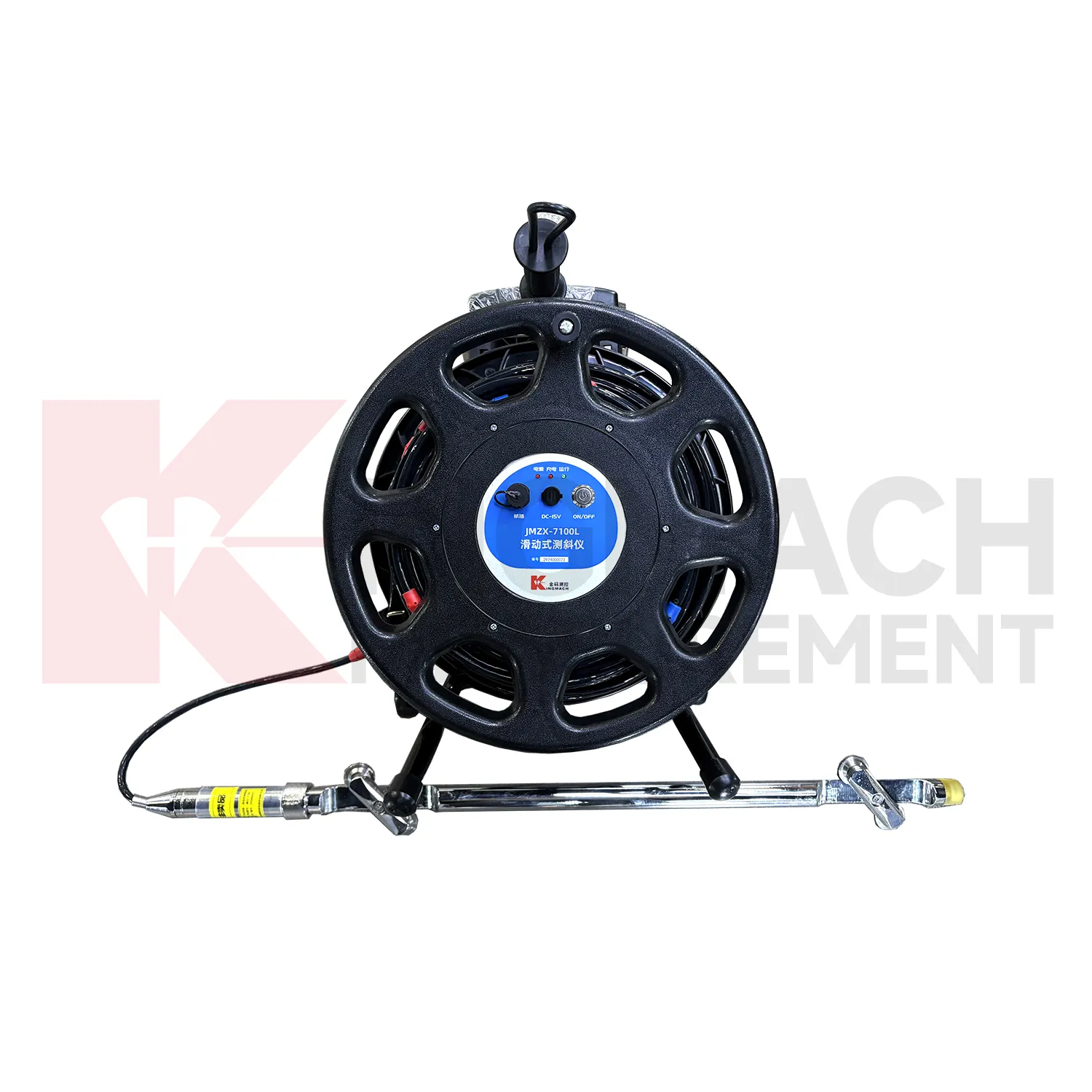
The future of Temperature Acquisition Expansion Module
Future Kingmach Temperature Acquisition Expansion Module will support cleaner integration between portable field checks and automatic data logging. A technician may verify a sensor with a handheld readout, then connect the same point to a logger for routine acquisition. The future workflow should keep these records aligned through consistent channel names, sensor identities, time stamps, and handover notes. This helps owners compare first values, commissioning checks, maintenance readings, and automatic trends without rebuilding the record manually. Better continuity will reduce confusion when projects move from installation to long-term operation. Future systems can also keep the first verified reading beside the later automatic trend. If a sensor is repaired, replaced, or moved, the handover note can show where the continuity changed. This will help owners understand whether a trend shift came from the monitored structure, the sensor point, or the acquisition setup. This continuity is especially useful when commissioning records must remain comparable with long-term operation data.
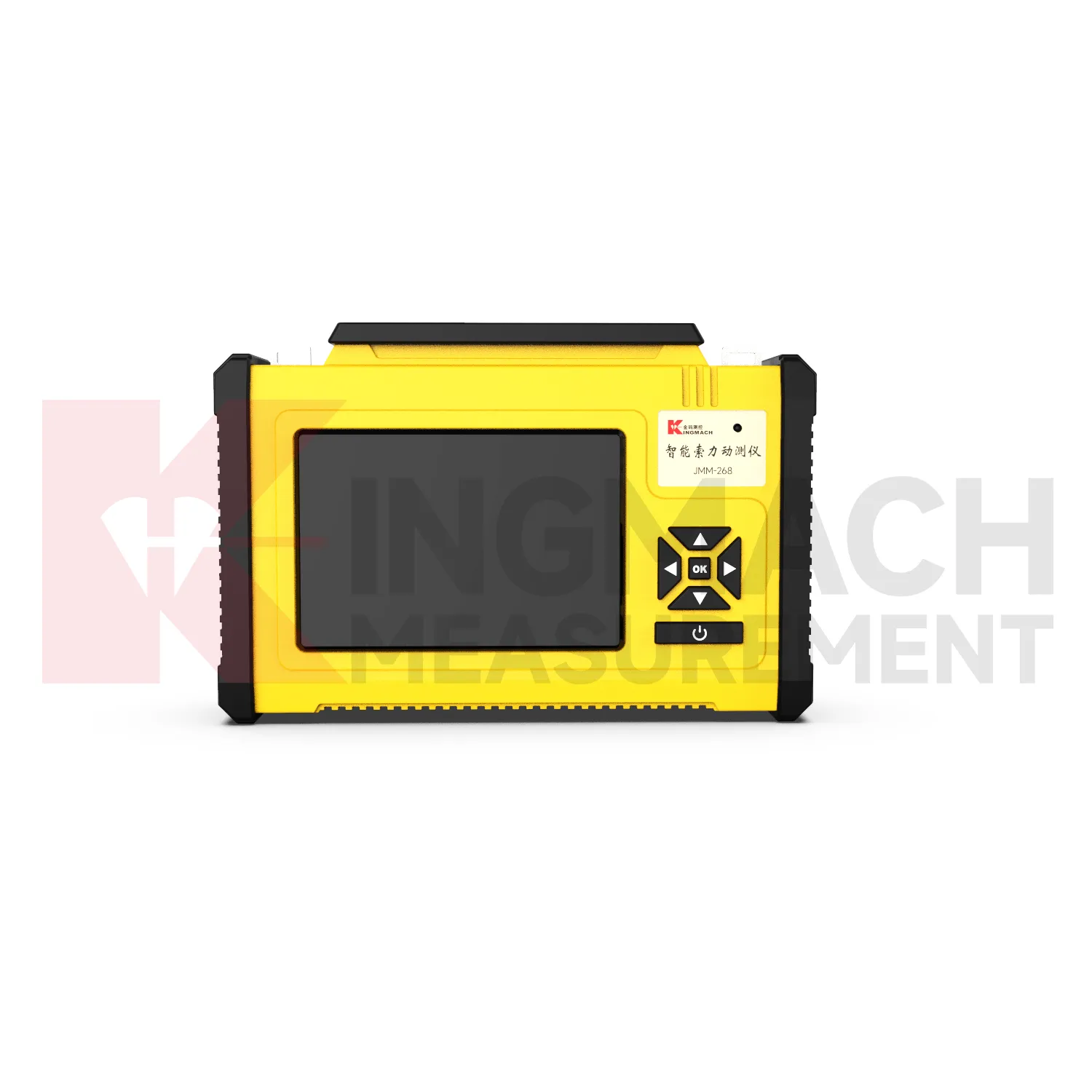
Care & Maintenance of Temperature Acquisition Expansion Module
Handover maintenance keeps Kingmach Temperature Acquisition Expansion Module useful after staff changes. A monitoring system may operate for years, but the people who installed it may leave the project. Keep a handover file with device type, sensor list, channel map, acquisition interval, communication method, power plan, baseline readings, maintenance history, and export location. Update the file after repairs, replacements, or setting changes. When the next team can understand the acquisition chain quickly, the project avoids repeated diagnosis and protects the value of long-term monitoring data. Handover should also identify which devices are temporary and which remain part of long-term operation. A temporary logger removed after construction should have final exported files, while a permanent station should keep power, communication, and maintenance routines documented. This prevents old construction records from being confused with active monitoring points. during owner review and maintenance planning. across project phases. clearly and safely. for owners. later on site. consistently.
Kingmach Temperature Acquisition Expansion Module
A strong monitoring system needs Kingmach Temperature Acquisition Expansion Module that fit the sensor network and the site conditions. Some projects need a compact handheld unit for spot checks and commissioning. Others need a multi-channel data logger for vibrating wire sensors, dynamic strain, environmental points, or digital RS485 instruments. Remote sites may need low-power wireless acquisition with scheduled measurement and active upload. The important question is how the device helps the team keep a continuous, explainable record. Battery condition, enclosure protection, communication path, channel labels, and data export all influence whether the monitoring record can support maintenance, safety review, or construction control. For remote stations, the acquisition interval, upload status, battery condition, enclosure condition, and last maintenance visit should remain visible so unattended monitoring does not become a blind record. For dynamic tests, timing accuracy, event naming, channel synchronization, and signal conditioning help the team compare motion or strain events with construction activity, traffic, wind, or machinery operation.
FAQ
Q: Where are these devices used?
A: They are used in bridges, tunnels, dams, slopes, buildings, foundation pits, railways, mines, industrial testing, and other monitoring projects.
Q: Why combine readouts with loggers?
A: Readouts confirm field points during visits, while loggers keep collecting data between visits. Together they support both verification and continuity.
Q: What should a remote station show?
A: A remote station should show acquisition status, last upload time, power condition, active channels, storage condition, and recent maintenance history.
Q: How do these devices support reports?
A: They keep readings traceable by time, channel, sensor type, location, and device status so engineers can explain trends and events more clearly.
Q: What causes confusing readings?
A: Loose cables, wrong channel names, weak power, wet enclosures, changed settings, sensor faults, or real site changes can all create confusing records. The record stays useful when point names, channel labels, sensor type, measurement time, and field condition are kept together, because later reviewers can connect the number with the actual structure and inspection history.
Reviews
Ryan Lewis
Fast delivery and excellent product quality. The accelerometers and tiltmeters are highly reliable. Strongly recommend this company.
Michael Anderson
The strain gauges and load cells are extremely accurate and stable. They performed very well in our bridge monitoring project. Highly recommended!
Latest Inquiries
To protect the privacy of our buyers, only public service email domains like Gmail, Yahoo, and MSN will be displayed. Additionally, only a limited portion of the inquiry content will be shown.
Emma***@gmail.comCanada
Dear Sir/Madam, we are interested in displacement transducers and settlement sensors for a geotechni...
Mia***@gmail.comNetherlands
Dear team, we are interested in your readouts & data loggers compatible with multiple sensors. Do yo...
Related product categories
- Portable Vibrating Wire Dynamic Strain Acquisition Readout
- Signal Acquisition Readout
- Portable Dynamic Signal Acquisition Readout
- data acquisition module
- signal acquisition module
- compact data acquisition modules
- acquisition module
- data acquisition modules
- modular data acquisition system
- modular acquisition
- portable data acquisition module
- signal acquisition and actuation module