
 EN
EN
 ar
ar bg
bg hr
hr cs
cs da
da nl
nl fi
fi fr
fr de
de el
el hi
hi it
it ko
ko no
no pl
pl pt
pt ro
ro ru
ru es
es sv
sv tl
tl iw
iw id
id lv
lv lt
lt sr
sr sk
sk sl
sl uk
uk vi
vi et
et hu
hu th
th tr
tr fa
fa ms
ms hy
hy ka
ka ur
ur bn
bn mn
mn ta
ta kk
kk uz
uz ku
ku
Vibrating Wire Strain Gauge vs. Electrical Strain Gauge : Key Differences
1. Choosing the Right Strain Gauge in Engineering Projects
The global demand for structural health monitoring (SHM) in infrastructure is growing rapidly. Accurate strain measurement plays a vital role in ensuring project safety, long-term durability, and regulatory compliance. Project managers typically choose between two main technologies: the vibrating wire strain gauge (VWSG) and the electrical strain gauge (ESG). This article provides a comprehensive strain gauge comparison to help engineers, contractors, and procurement teams select the right solution for their specific projects.
2. Working Principles: How Each Technology Measures Strain
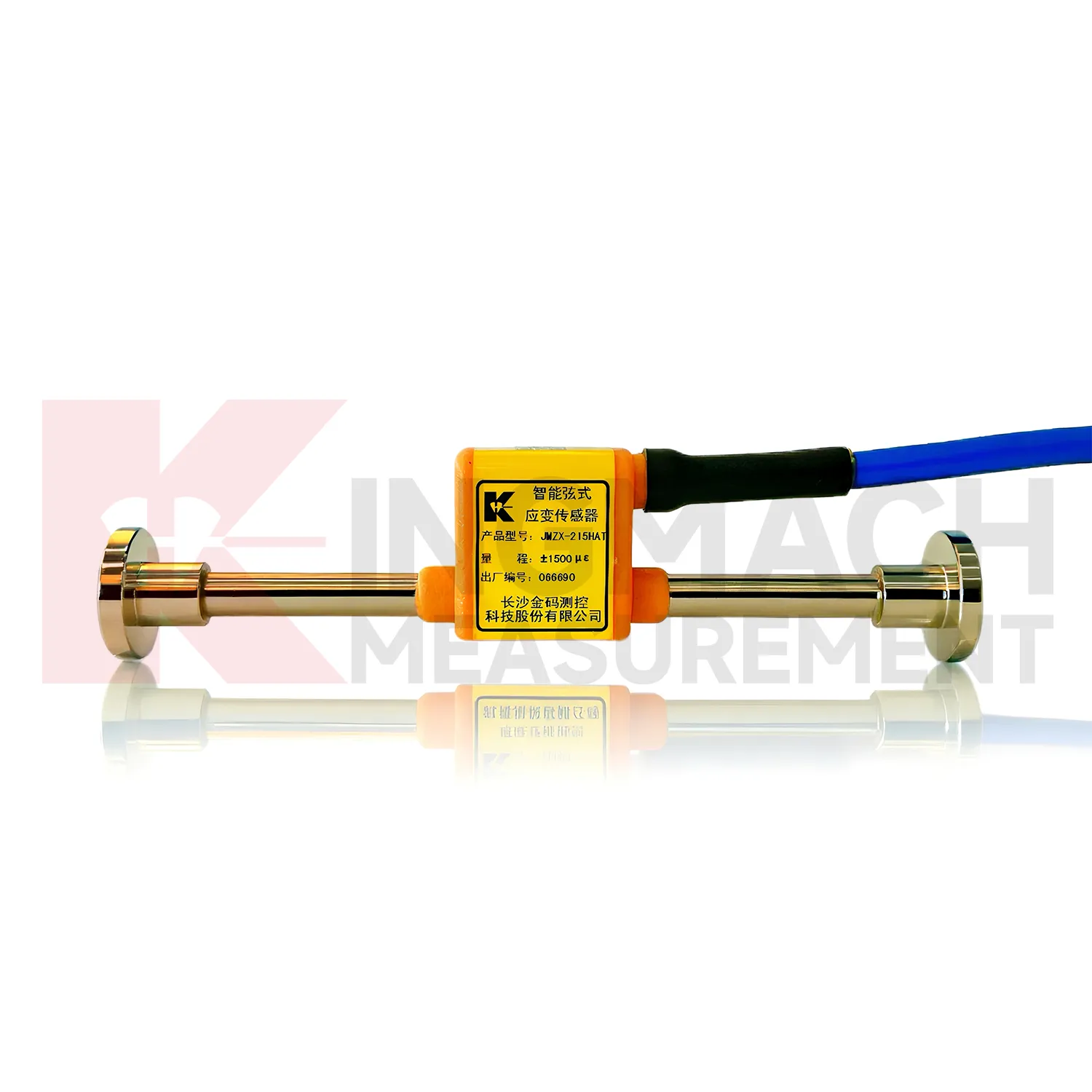
2.1 Vibrating Wire Strain Gauge (VWSG)
The VWSG operates based on the frequency change of a tensioned wire inside the sensor. Structural strain causes a tension variation in this wire, which then leads to a measurable frequency shift. This generated signal is inherently digital, meaning it remains stable even when transmitted over long distances. A key insight for engineers is that this frequency-based signal is inherently digital and remains highly stable even when transmitted over long distances. This is a key advantage of VWSG technology in harsh environments.
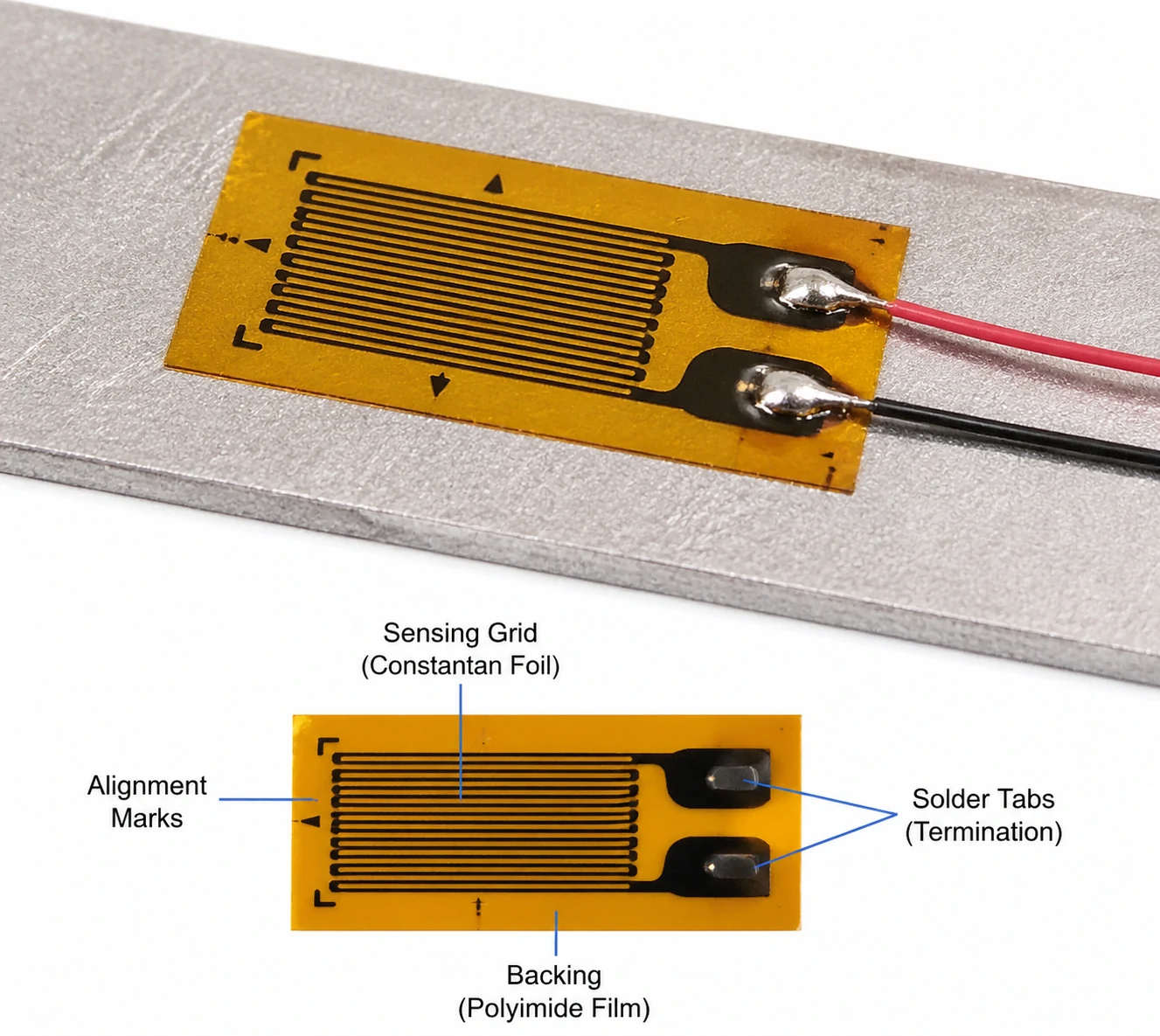
2.2 Electrical Strain Gauge (ESG)
The electrical strain gauge, or resistance strain gauge, operates based on an electrical resistance change. Physical strain causes this resistance change, which a Wheatstone bridge circuit then converts into a measurable voltage output. This analog system requires careful signal conditioning and amplification to produce usable data. A key insight is that the ESG excels at detecting microscopic changes but is significantly more vulnerable to environmental interference.
3. Performance Comparison: Accuracy, Stability, and Sensitivity
3.1 Measurement Accuracy
The electrical strain gauge delivers high short-term accuracy. In contrast, the vibrating wire strain gauge provides exceptionally reliable long-term accuracy.
3.2 Long-Term Stability
The VWSG excels in multi-year monitoring projects because its physical mechanism inherently resists drift. The ESG often struggles in long-term applications. The ESG is highly prone to signal drift and adverse temperature effects over time.
3.3 Sensitivity and Resolution
The ESG offers superior sensitivity, making it better suited for measuring microstrain, conducting lab testing, and capturing dynamic measurement changes. The VWSG operates with a slightly lower resolution, making it ideal for monitoring static and slow-changing loads.
4. Environmental Adaptability: Which Performs Better in Harsh Conditions?
4.1 Temperature Resistance
Temperature changes impact all structural health monitoring sensors. The VWSG features built-in temperature compensation, streamlining the data collection process. The ESG requires external compensation mechanisms to maintain data integrity during temperature fluctuations.
4.2 Moisture, Corrosion, and Dust
The VWSG is fully sealed against the elements, which makes it highly suitable for embedded applications. The ESG is highly sensitive to installation quality and requires substantial external protection to survive moisture and dust.
4.3 Electromagnetic Interference (EMI)
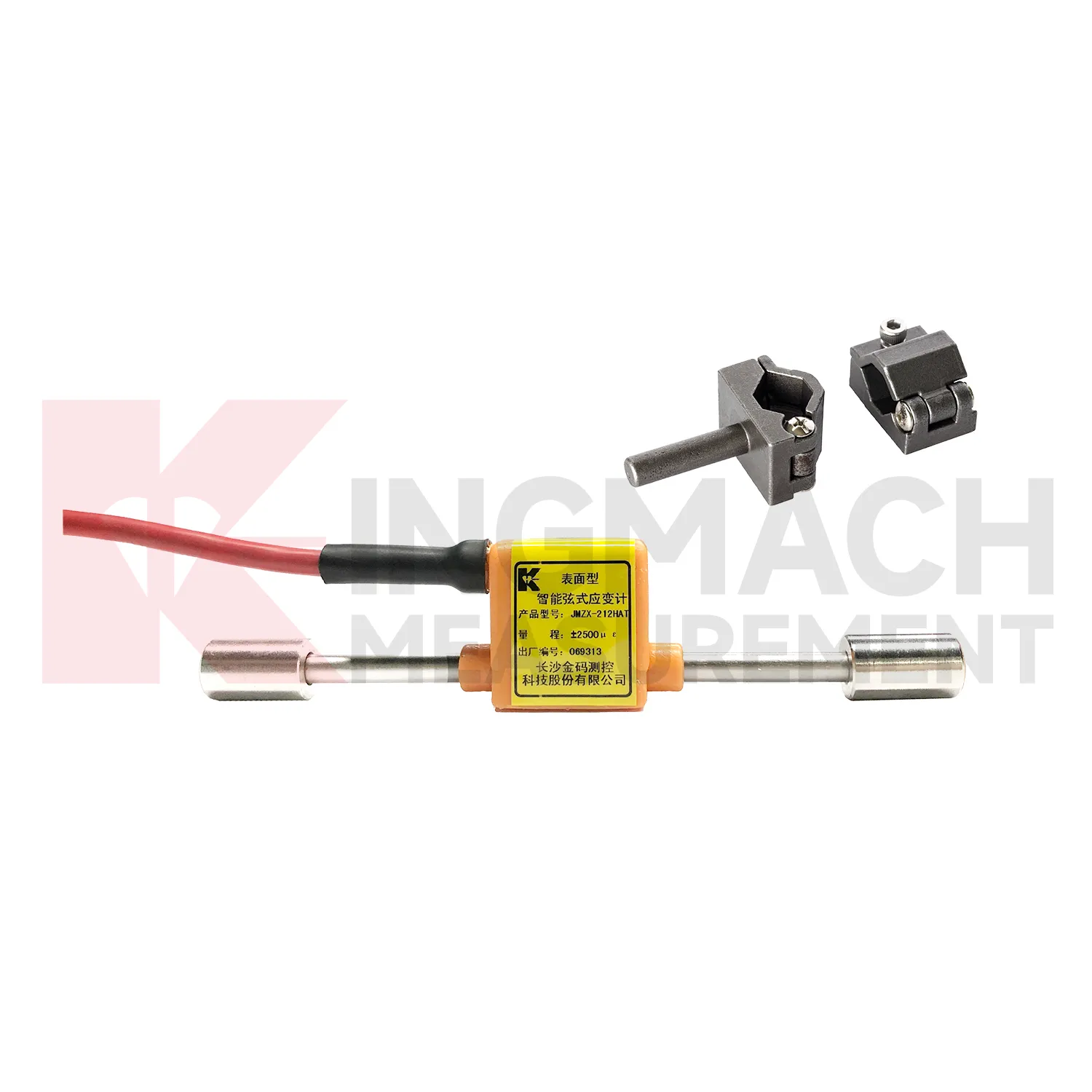
The VWSG is completely immune to electromagnetic interference because it relies on a frequency signal. The ESG remains highly susceptible to EMI because it outputs an analog signal. This immunity provides a strong selling angle for utilizing VWSG sensors in major infrastructure projects. They perform exceptionally well in coastal regions, underground tunnels, and large dams.
5. Installation and Maintenance: Practical Considerations for Engineers
5.1 Installation Complexity
The ESG demands a meticulous installation process. Technicians must perform precise surface preparation and ensure critical adhesive bonding to achieve accurate readings. The VWSG offers a much more robust installation experience. Workers can easily adapt the VWSG for direct concrete embedding without compromising the sensor.
5.2 Maintenance Requirements
The ESG carries a higher failure risk in the field. Operators must perform frequent calibration to keep the ESG functioning correctly. The VWSG requires minimal maintenance once installed. This durability results in a very long service life for the VWSG.
6. Data Acquisition and Monitoring Systems Compatibility
6.1 Signal Transmission
The VWSG effortlessly handles long-distance transmission, sending accurate signals up to several kilometers. The ESG struggles with long cable runs and is severely limited by signal noise.
6.2 Integration with SHM Systems
Both sensor types offer integration with modern structural health monitoring networks. They ensure compatibility with standard data loggers. They seamlessly connect to IoT monitoring platforms and remote monitoring systems. This interoperability presents a great opportunity to introduce complete monitoring solutions to clients.
7. Typical Applications: Where Each Sensor Performs Best
7.1 Vibrating Wire Strain Gauge Applications
- Dams and hydropower stations
- Bridges and tunnels
- Deep foundations
- Slopes and geotechnical monitoring
7.2 Electrical Strain Gauge Applications
- Laboratory testing
- Aerospace and automotive R&D
- Short-term structural testing
- High-frequency dynamic measurements
8. Cost vs. Value: Short-Term Budget vs. Long-Term ROI
When analyzing vibrating wire vs resistance strain gauge options, teams must look beyond the initial purchase price. The ESG offers a lower initial cost. However, frequent maintenance and replacements result in a much higher lifecycle cost for the ESG. The VWSG requires a higher upfront investment. Over time, the VWSG delivers a lower maintenance and replacement cost. A crucial procurement insight is that the total cost of ownership (TCO) matters significantly more in large, multi-year projects.
9. Decision Guide: How to Choose the Right Strain Gauge for Your Project
9.1 Key Selection Criteria
Procurement teams must evaluate several core factors before making a final sensor selection. You must consider the total project duration and the specific environmental conditions at the site. You must also determine the required accuracy, outline your strict budget constraints, and assess the overall installation feasibility.
9.2 Quick Comparison Table
| Factor | Vibrating Wire | Electrical |
|---|---|---|
| Stability | Excellent | Average |
| Sensitivity | Average | Excellent |
| Durability | Excellent | Low |
| Cost (initial) | Higher | Lower |
10. Conclusion: Matching Technology to Project Needs
There is simply no "one-size-fits-all" solution when selecting structural sensors. In summary, the VWSG is the superior choice for long-term monitoring in harsh environments. The ESG remains the best tool for high-precision, short-term testing applications.
We invite readers to request a technical consultation with our engineering team. We can help you get customized sensor solutions and deeply discuss your specific project requirements. Contact us for a tailored strain monitoring solution for your next infrastructure project.
FAQs
1. What is the main difference between a vibrating wire strain gauge and an electrical strain gauge?
The main difference lies in their working principles. A VWSG relies on the frequency shift of a tensioned wire to measure strain, while an ESG measures strain through a change in electrical resistance.
2. Which strain gauge is better for long-term infrastructure projects?
The vibrating wire strain gauge is better for long-term projects. It features inherent resistance to signal drift and easily withstands harsh environmental conditions over multiple years.
3. Why do electrical strain gauges struggle with long-distance signal transmission?
Electrical strain gauges output an analog voltage signal. This analog signal degrades over long cable runs and easily picks up electromagnetic interference (EMI) and signal noise.
4. Can I embed electrical strain gauges directly into concrete?
While possible, it is not recommended without extensive external protection. VWSGs are fully sealed and naturally robust, making them the industry standard for direct concrete embedding.
5. Which option provides a better return on investment (ROI)?
For short-term or laboratory projects, the ESG offers a better ROI due to lower initial costs. For large-scale or multi-year infrastructure projects, the VWSG provides a significantly better ROI because its total cost of ownership is lower due to minimal maintenance and replacement needs.